
Vandaag of morgen in huis

Kwaliteit gegarandeerd

Welkomstaanbiedingen ontgrendelen: GRATIS bezorging | Tot 80% korting | Gratis 30 dagen JoyPlus-proefperiode
Download de app
Fruit sweets may seem easy to choose, but packaging can give a misleading impression. A bag of colourful fruit gummies does not automatically contain a high proportion of fruit. A large pack, an international ingredients list or an unclear serving size can also lead to surprises.
With these points in mind, you can compare fruit sweets, fruit toffees, wine gums and sweet mixes in a practical way. This makes it easier to choose something for a treat, a party, a party bag or simply a moment to share.
Words such as strawberry, cherry, peach or berries often refer to a flavour combination. So check the ingredients list for fruit juice, fruit concentrate or fruit purée, and see how much has been added. For example, Fruittella Berries and Cherry Toffees lists 3% fruit juice from raspberry, blackberry, strawberry and cherry. This provides more information than simply showing fruit on the packaging.
“Natural flavourings” describe the origin of a flavouring substance, not necessarily the amount of real fruit. Sweets with a fruit flavour are generally still sugar-based products, even when they taste fruity.
A 400 or 500-gram pack is convenient for a family or party, but less practical if you only want a small portion occasionally. A large bag may also stay open for longer, causing soft fruit sweets to lose their texture.
Pay attention to the net weight, the number of individually wrapped pieces and how you intend to use the sweets. Small packs are better suited to party bags or taking out with you. A tub or large bag of sweets is more suitable for sharing.
Fruit sweets may contain gelatine, milk ingredients, gluten, sulphites or other ingredients. Red Band Dropfruit Duos, for example, lists gelatine and is described as gluten-free. Red Band Winegum Duo Sweet Fresh lists sulphites and may contain traces of milk.
International sweets, such as Turkish or Asian sweets, may contain different sweeteners, colourings and preservatives. Always check the label on the packaging you receive. Product information and compositions may change.
First, look at the ingredients in descending order. If sugar or glucose syrup appears near the top, these ingredients make up a significant proportion of the product. Also check the 14 legally recognised EU allergens and any warnings about possible traces.
For specific preferences, also look out for:
A product described in the available product information as free from the 14 main EU allergens is not automatically suitable for every individual allergy. If in doubt, the label on the packaging takes precedence.
Always compare products per 100 grams, not just per serving. This gives you a clearer view of the differences between a bag of sweets, fruit toffees and fruit gummies. The available product information states, for example:
These figures are useful for comparison, but do not indicate how much someone will actually eat. A small bag may contain less per pack than a large sweet mix.
Individually wrapped sweets are easy to hand out at a party. At home, a resealable bag of sweets may be more practical. Store sweets according to the instructions: usually in a cool, dry place away from direct sunlight. Temperatures above 25 °C can affect the texture of some soft sweets.
Choose according to how you intend to use them:
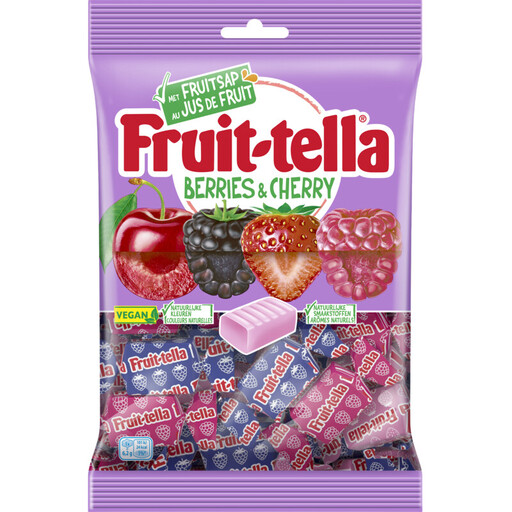
Why it suits this profile: A handy 200-gram bag of individually wrapped fruit toffees for home, entertaining or a small treat.
The net weight and individual wrappers are clearly stated, so you can match the contents more easily to the occasion.
Four types of fruit juice, natural flavourings and colours according to the product description; the product is vegan.
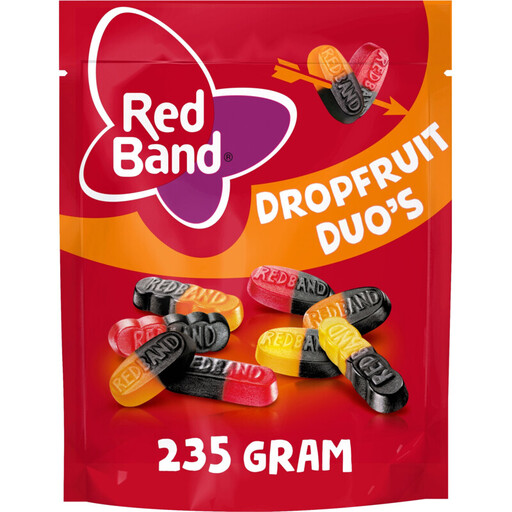
Why it suits this profile: For anyone looking for something different: liquorice and fruit flavour in one sweet, with 245 grams of contents.
The flavour combination is clearly described. You are not buying a general fruit mix when what you really want is liquorice with fruit.
Gluten-free according to the product information; contains natural flavourings and colours, with packaging made from up to 50% plant-based plastic.
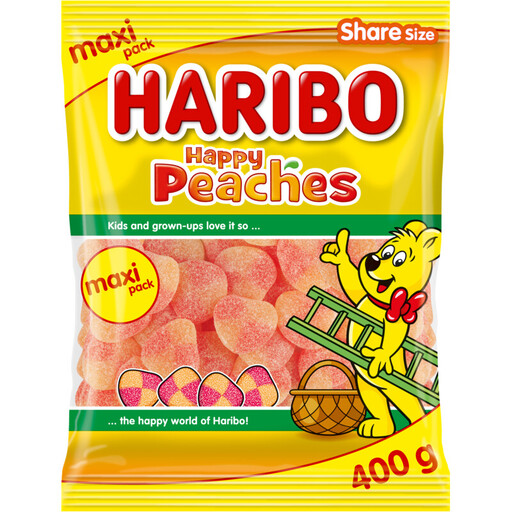
Why it suits this profile: The large bag is practical for families, entertaining and sharing.
The quantity is clear from the net weight, allowing you to judge in advance whether 400 grams will suit your group.
Soft peach-flavoured sweets, without artificial colourings according to the product description; 400 grams of contents.
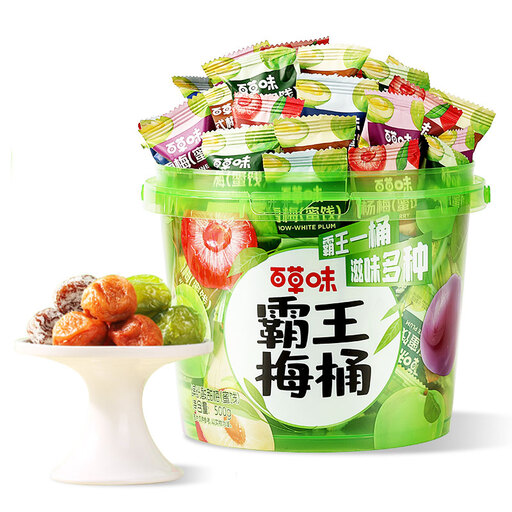
Why it suits this profile: A Chinese fruit snack containing five types of preserved plum, packed in 70 individual portions.
The variety and portion breakdown are clearly stated. The product information also includes warnings about sweeteners, sulphites and colour E124.
500 grams of contents, 70 individual packs and a combination of sweet, sour and savoury plum flavours.
We have put together a complete, up-to-date list of products that fully meet these strict selection criteria and the applicable European safety regulations.
Fruit gummies are generally softer and more gelatinous, while wine gums are often firmer and more elastic. The exact texture depends on the recipe, the gelling agents used and the moisture content. Check the ingredients if gelatine or a plant-based alternative is important to you.
Store the bag in a cool, dry place away from direct sunlight. Seal the packaging properly to limit drying out and moisture absorption. Always follow the storage instructions on the label and use the stated shelf-life information as your guide.
Choose a pack with a sufficient net weight or individually wrapped portions. The 400-gram Haribo Peaches is intended for sharing, while a 200-gram bag of Fruittella may be more convenient for a smaller group. For a surprisingly international sweet mix, individual plum portions are another option.
