
Vandaag of morgen in huis

Kwaliteit gegarandeerd

Welkomstaanbiedingen ontgrendelen: GRATIS bezorging | Tot 80% korting | Gratis 30 dagen JoyPlus-proefperiode
Download de app
A bag of fruit sweets might seem straightforward to pick, but the differences are significant. Whether you're after soft sweets for home, a sweet mix for a party, or something small for on the go, flavour, texture, portion size and ingredients matter far more than just the packaging.
Marketing can be confusing here. A product with pictures of fruit on it doesn't automatically mean it's packed with fruit. Words like "natural", "with fruit juice" or "fruit flavour" only really mean something when you check the ingredients list and nutritional information. With these practical pointers, you can compare fruit sweets, fruit gummies, wine gums and Asian fruit jelly in a level-headed way.
Some products use fruit images or names like peach, mango and grape, while sugar, glucose syrup or sweeteners are the main ingredients. So check the order of the ingredients. In the EU, ingredients are usually listed from most to least.
You can see a clear difference between types of sweets. Powerbeärs Tetris Fruit Gum states it contains 20% apple juice from concentrate, whereas Cozzo Fruit Jelly Sticks might list, for example, 0.5% mango, apple or grape juice per flavour. That doesn't automatically make a jelly snack less suitable, but it does help you read the packaging correctly.
Wine gums, gummies and jelly sweets each have a different bite. Gelatine often gives a springy texture, while pectin, konjac or other gelling agents can create a softer or smoother feel. With Nerds Gummy Clusters, for example, you get a combination of a crunchy outer shell and a soft centre. Amos Peelerz has a peelable layer with a fruity gummy filling.
If you're simply expecting soft sweets, you could be disappointed when a product contains crunchy bits, pulp or a dual structure.
Compare the net weight, the number of individual portions and the best-before date. A 400-gram bag is handy for sharing, but less practical if you only want a treat now and then. Individually wrapped fruit sweets are easier to take with you and to share, although the extra packaging creates more waste.
Also pay attention to the price per 100 grams. That's a more useful comparison point than just the price of the bag.
Check whether the product contains gelatine and what animal source it comes from. Red Band Winegums Originals contains gelatine, while Fruittella Mini Vegan is described as vegan and uses fruit and vegetable concentrates for colour.
Also look at the allergen information, even when a product doesn't contain any of the 14 main EU allergens. Nerds Gummy Clusters lists apple and pork gelatine. Haribo Peaches lists milk and gluten from wheat. Always check the current packaging with every purchase, especially with sweet mixes and multipacks.
Sweets are a treat. The nutrition table is mainly useful for comparing products with each other. Look at carbohydrates, of which sugars, not just terms like "fruity" or "with fruit juice".
As a guide:
The last one is a drinkable konjac jelly, not a traditional fruit sweet. So only compare products with a similar shape and portion size.
For a birthday party or film night, large bags and multipacks are practical. For school, the office or on the go, small, resealable or individually wrapped portions are more convenient. Fruit-flavoured lollipops last longer in the mouth, but they have a stick and need extra care with young children.
With jelly cups and sticks, it's important to read the warnings on the packaging. Some products are not suitable for children under three years old because of their shape or texture. Let children eat calmly and follow the manufacturer's instructions.
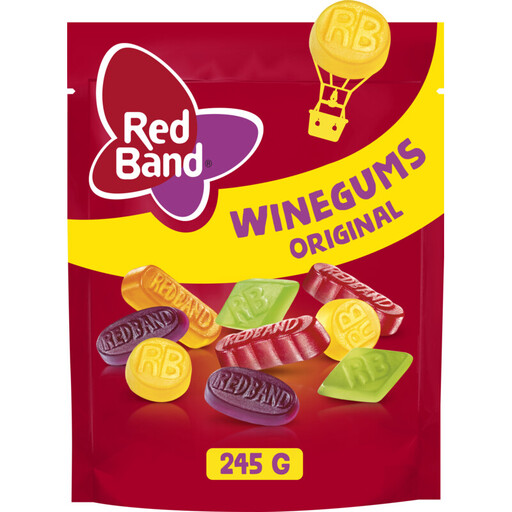
Why this fits the profile: A familiar 245-gram bag for anyone who wants to try different fruit and liquorice flavours without a complicated choice.
The product information clearly states 56 grams of sugar per 100 grams, a net weight of 245 grams and the presence of gelatine.
Gluten-free according to the product description; combination of liquorice and fruit flavour; bag size suitable for sharing.
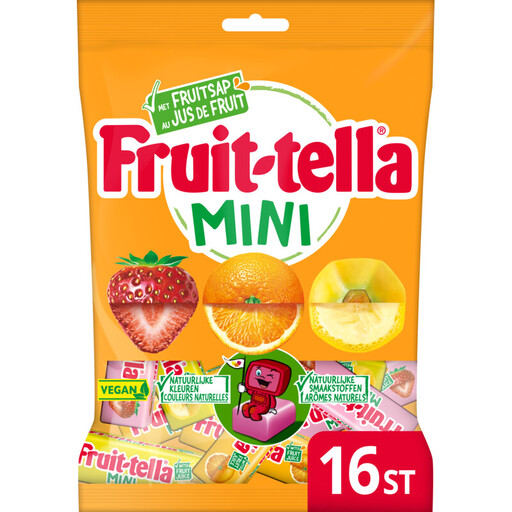
Why this fits the profile: Suitable for households looking for vegan sweets with multiple fruit flavours and individual mini portions for sharing.
The product description explicitly mentions vegan ingredients, three fruit flavours and individually wrapped mini sticks. Check the packaging at the time of purchase.
203 grams total; strawberry, banana and orange flavours; 16 mini sticks according to the product information.
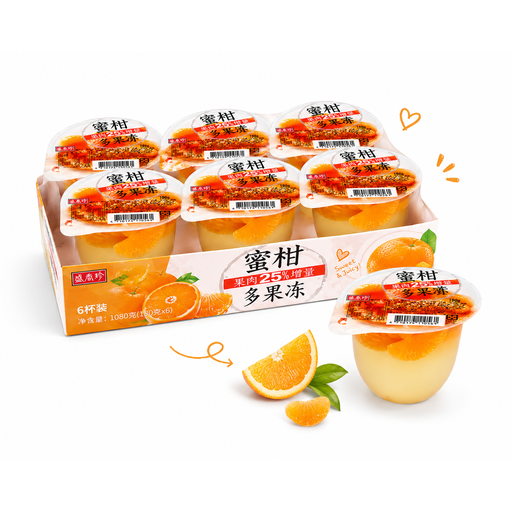
Why this fits the profile: A multipack with six individual cups for families, stocking up or sweets to share.
The number of cups, total weight and portion size are all stated. The texture and presence of fruit pulp are clearly described in advance.
6 × 180 grams; 5% fruit juice according to the product description; can be served chilled.
We've put together a full, up-to-date list of products that fully meet these strict selection criteria and comply with current European safety regulations.
Small bags, individually wrapped sweets and resealable packaging are practical for on the go. Fruittella Mini has individually wrapped mini sticks. Amos Peelerz is available in 65-gram bags, making it suitable for a small treat. After opening, check that the packaging closes properly again.
The best-before date is on the packaging. Store sweets according to the instructions: usually cool, dry and away from direct sunlight, heat and moisture. Seal an opened bag well. Jelly cups may have additional instructions after opening, such as keeping them refrigerated and consuming them quickly. Don't use any product with damaged packaging.
Check age warnings, shape and texture. Lollipops and jelly products can pose a choking risk due to their size or structure. Chupa Chups, for example, states that the lollipops are not suitable for children under three years old and that supervision is required. Always read the label and let children eat while sitting down and calmly.
