
Vandaag of morgen in huis

Kwaliteit gegarandeerd

Welkomstaanbiedingen ontgrendelen: GRATIS bezorging | Tot 80% korting | Gratis 30 dagen JoyPlus-proefperiode
Download de app
Fruit sweets come in many forms: from soft sweets and fruit jelly to gummy sweets, jelly sticks and international sweet mixes. The packaging often shows cheerful colours and fruit images, but that doesn’t automatically tell you how much fruit is inside or what type of sweet you’re buying. With a few simple checks, you can more easily find something that suits a party, lunchbox, treat or moment on the go.
A product can taste of mango, grape or peach thanks to flavourings, while the fruit juice content is limited. So always check the ingredients list. With COZZO Fruit Jelly Sticks 240g, each variant contains water, sugar, gelling agent, acidity regulator and a small amount of juice. The product information states, among other things, 0.50% mango juice, 1.00% lychee juice and 0.50% apple juice or grape juice, depending on the flavour.
A claim like “with fruit juice” should also be read in the right context. With Powerbeärs Tetris Fruit Gum, for example, 20% apple juice from concentrate is stated. That’s verifiable information; it doesn’t mean the sweet is equivalent to fresh fruit.
The terms fruit gummies, soft sweets and jelly sweets are sometimes used interchangeably. In practice, there are clear differences:
So check not only the flavour, but also the product description and the weight per pack. A small bag of gummy sweets, for example, can last much longer than a similar bag of soft sweets, depending on the portion size.
A 1 kg bag might look appealing for a party, but it’s less convenient for on the go or a lunchbox. For individually wrapped sweets, sticks, rolls or single portions are more suitable. Also pay attention to the closure after opening and the storage conditions. Many products need to be kept cool, dry and out of direct sunlight. Jelly and sugar sweets can become sticky due to heat or moisture.
Always read the current packaging, especially if the sweets are for children or a group with different dietary needs. Look out for:
With Nerds Gummy Clusters, for example, the product information lists apple and pork gelatine as allergens or relevant ingredients. The Jelly Bean Factory Jelly Beans is, according to the product information, gelatine-free and gluten-free, but does contain 76 grams of sugar per 100 grams.
Fruit sweets remain a sweet treat, even when they contain fruit juice or fruit flavourings. So compare the nutritional value per 100 grams and, if stated, per individual portion.
Orihiro Purunto Jelly contains, according to the product information, 12 to 14 kcal per 20-gram portion, depending on the melon or pineapple flavour. With other fruit sweets, the energy value is often around 320 to 420 kcal per 100 grams. This difference is due, among other things, to moisture content, sugar, fats and the texture used.
For a school treat, picnic or journey, individually wrapped sweets are easy to hand out. For a film night or birthday, a resealable bag or large sweet mix can be more practical. Also check the age advice and supervision. With certain soft or jelly products, it states that children should be supervised by an adult while eating. Always follow the instructions on the packaging.
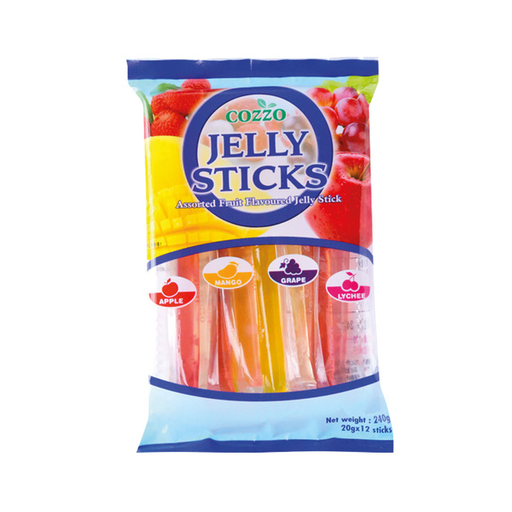
Why this suits the profile: A straightforward pack with 12 sticks of 20 grams and several fruit flavours. Handy for handing out or taking with you.
The product information states the net weight, portions, four flavours and the ingredients rather than just a general fruit flavour claim.
240 grams total, individually wrapped and a soft, smooth jelly texture.
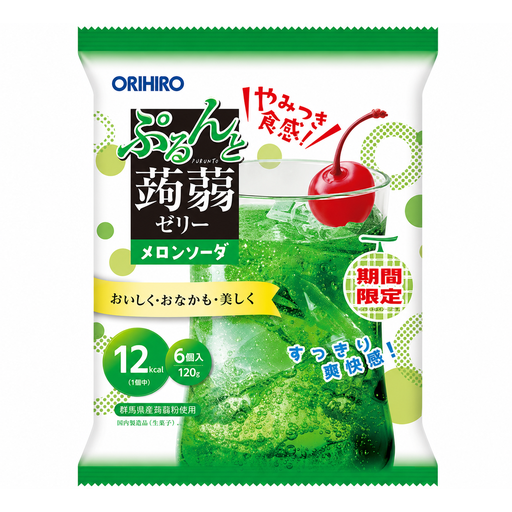
Why this suits the profile: For fans of Japanese sweets who want a compact jelly portion and a distinctive melon soda flavour.
The product information mentions 20-gram portions and specifies, among other things, konjac powder, sweeteners and gelling agent.
Six portions, 120 grams total and clear nutritional information per portion.
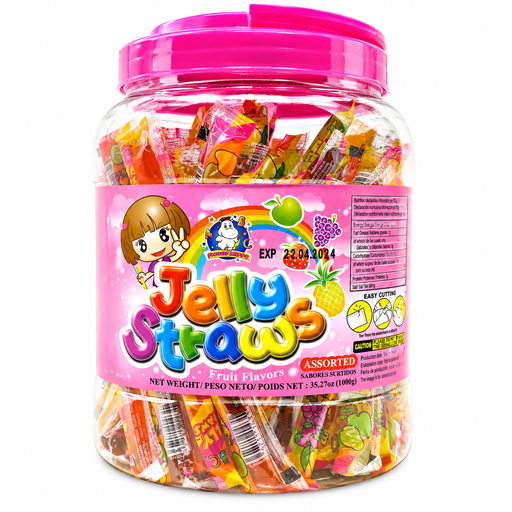
Why this suits the profile: A practical choice for big birthdays, events and sweet mixes where lots of portions are needed.
The sticks are individually wrapped, so you can portion them out per occasion rather than using one large open bowl.
1 kg content, mixed fruit flavours and packaging suitable for sharing.
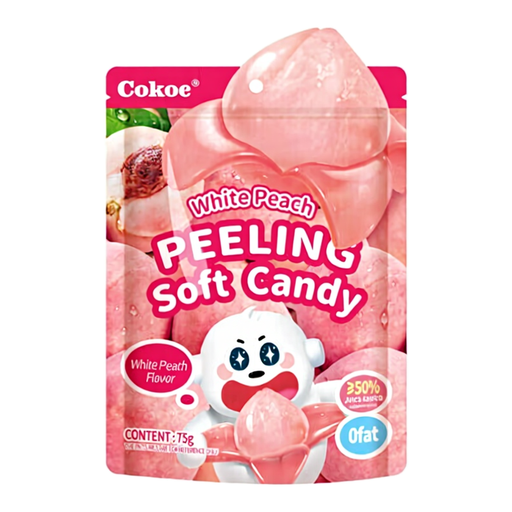
Why this suits the profile: The peach shape and peelable design add a playful element to a treat or party.
The product information states the recommended age from 3 years and supervision by an adult while eating.
75 grams, white peach flavour and a soft marshmallow-like texture.
We’ve put together a full, up-to-date list of products that fully meet these strict selection criteria and comply with current European safety regulations.
That depends on the ingredients, texture, age indication and portion size. Check for colours that carry an EU warning and look out for gelatine, fruit allergens and any warnings on the label. With soft jelly and gummies, supervision is advisable when the packaging states this. Fruit sweets are a treat and not a substitute for fruit.
Generally, store the packaging cool, dry and out of direct sunlight. Seal an opened bag well to limit moisture and stickiness. Some products need to be refrigerated after opening; always follow the packaging for this. Check the best-before date before consumption and do not use the product if the packaging is damaged.
For handing out, individually wrapped sweets like jelly sticks or mini rolls are practical. For a large group, a 1 kg pack offers more portions, while small bags of gummy sweets are suitable for party bags. When catering for a mixed group, choose products with clear allergen information and check whether gelatine or specific colours are a concern.
