
Vandaag of morgen in huis

Kwaliteit gegarandeerd

Welkomstaanbiedingen ontgrendelen: GRATIS bezorging | Tot 80% korting | Gratis 30 dagen JoyPlus-proefperiode
Download de app
A bottle of fruit squash may seem like a straightforward purchase, but the differences between fruit syrup, squash and ready-to-drink soft drinks are significant. Some bottles make several litres of squash, while others are mainly intended for cocktails, desserts or drinking neat. Terms such as “natural”, “fruit-rich” and “sugar-free” do not tell the whole story either.
Use this practical guide to focus on the factors that make the biggest difference in British households: dilution ratio, sugar content, yield, ingredients and intended use.
The volume of a bottle tells you very little without the recommended mixing ratio. According to the product information, a 600 ml squash can make up to 6 litres of drink when mixed at a ratio of 1 part squash to 9 parts water. Other products use a ratio of 1 to 11 and therefore make almost 8 litres of drink.
So do not just compare the price per bottle; also compare the price per litre of prepared squash. Check whether the stated number of glasses is based on a 200 ml glass.
A fruit squash with less sugar may still contain several grams of sugar per 100 ml of prepared drink. In sugar-free squash, sugar is often replaced with sweeteners. This may suit your needs, but always check the ingredients list and nutritional information.
A product containing 0 grams of sugar does not automatically have a strong fruit flavour because of a high fruit content. For example, Slimpie Lemon Syrup states 0 grams of sugar and 1 kcal per 100 ml, but according to the product information it contains 1% lemon juice from concentrate, sweeteners and flavourings.
Strawberry squash, raspberry squash, orange squash and blackcurrant squash can contain different amounts of fruit juice. So check the order of the ingredients and the stated fruit percentage. In mixed flavours, apple may make up the largest proportion, even though the name refers to raspberry or tropical fruit.
Brands may support claims about their products with their own information, but do not present such claims as independently verified. According to Karvan Cevitam’s product information, certain varieties contain up to 75% fruit and are a source of vitamin C. Always check the current label before buying.
The mixing ratio determines the strength, flavour and amount of drink. Look out for:
For a family, barbecue or children’s party, a high yield is practical. For cocktails or desserts, a smaller bottle with a more intense flavour may be more convenient.
Compare the nutritional information per 100 ml of prepared drink, where available. Values per 100 grams of squash are less useful for comparing products, because the squash is diluted before drinking.
Also pay attention to:
A squash with a high sugar content can provide a full, sweet flavour, while a sugar-free version may taste lighter. The right choice depends on your preferences and how you intend to use it, not just on the front of the packaging.
Read the allergen information before serving a product. According to the product description, Taksi Dragon Fruit Cordial contains milk ingredients and is therefore unsuitable for people who avoid milk. Mogu Mogu Blackcurrant does not list any of the 14 major EU allergens, but it does contain nata de coco and 12 grams of sugar per 100 ml.
Many types of squash should be kept refrigerated after opening. Seal the bottle tightly and follow the storage and use instructions on the packaging. For a vegan household, products with explicit vegan information, such as various Raak varieties, are a sensible first choice.
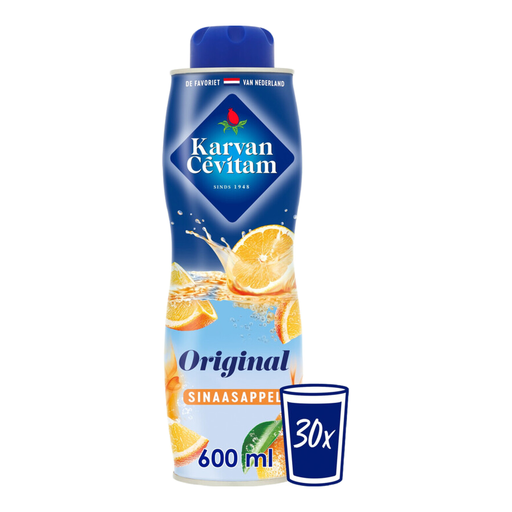
Why it suits this profile: A familiar orange flavour and, according to the product information, up to 6 litres of squash per bottle make this a practical choice for everyday use.
The 1:9 ratio and stated yield make it easier to estimate the cost per glass in advance.
600 ml volume, up to 6 litres of prepared drink and 60 mg of vitamin C per 100 ml of squash, according to the product information.
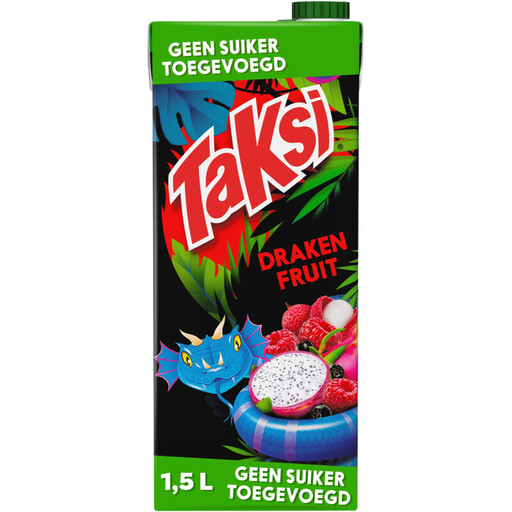
Why it suits this profile: For anyone looking for a ready-to-drink beverage with an unusual combination of dragon fruit, raspberry and lychee.
The product information states 11 kcal and 2.3 grams of sugar per 100 ml, so you can immediately see what you are buying.
1.5-litre bottle, 12 mg of vitamin C per 100 ml according to the label, and milk as an allergen to be aware of.
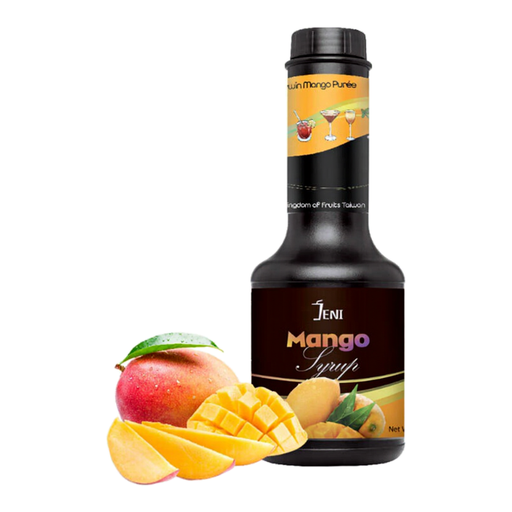
Why it suits this profile: A mango-style syrup for squash, cocktails, desserts and drinks with a tropical twist.
The product description explicitly mentions diluting before use, helping you avoid accidentally serving the syrup neat.
456 ml volume, suitable for drinks and desserts, with approximately 266 kcal and 41 grams of sugar per 100 grams according to the product information.
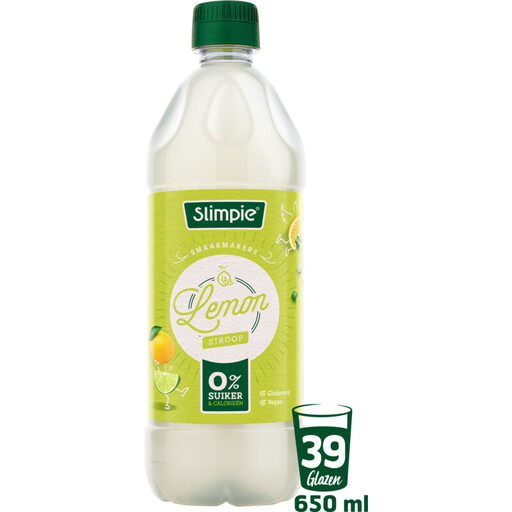
Why it suits this profile: Designed for households that make squash regularly and want a sugar-free option.
The stated 1:11 ratio and 39 glasses prevent you from underestimating the yield.
0 grams of sugar, 1 kcal per 100 ml according to the product information, listed as vegan and gluten-free.
We have compiled a complete, up-to-date list of products that fully meet these strict selection criteria and the applicable European safety regulations.
It depends on the recommended mixing ratio. At 1:9, for example, you use 100 ml of squash with 900 ml of water. At 1:11, 100 ml of squash is mixed with 1.1 litres of water. Use the ratio on the label as your starting point, then adjust the flavour to suit your taste.
Follow the instructions on the packaging. Many squashes should be refrigerated after opening and used within a specified period. Seal the bottle tightly, keep it upright and check the smell, colour and use-by information before using the squash again.
Yes, you can mix sugar-free squash with still or sparkling water. However, check that the flavour and sweeteners suit your preferences. For cocktails, mocktails and desserts, ordinary fruit squash may behave differently because of its sugar content and fuller flavour.
