
Vandaag of morgen in huis

Kwaliteit gegarandeerd

Welkomstaanbiedingen ontgrendelen: GRATIS bezorging | Tot 80% korting | Gratis 30 dagen JoyPlus-proefperiode
Download de app
Looking to buy fruit snacks for when you’re out and about, a lunchbox or a treat? You’ll soon come across terms such as “natural”, “fruity” and “healthy”. These words do not always tell you enough about what is actually inside the packet. For example, a dried fruit snack may contain a high proportion of fruit, but also sugar and syrup. A gummy may taste of fruit without fruit being the main ingredient.
Use these checkpoints to compare products based on their ingredients, nutritional values, packaging and ease of use. This helps you avoid choosing a snack that sounds appealing but is less suitable for your particular situation.
Check the ingredients list and the order in which ingredients are listed. Ingredients are generally listed from the largest to the smallest proportion. MUSHAN BASE Dried Mango lists mango at a minimum of 79.5%. The product also contains sugar, glucose syrup and malt syrup, among other ingredients. So, while the snack clearly contains fruit, it is not the same as pure dried fruit.
Gummies are different. Nerds Gummy Clusters Fruits contains glucose syrup, sugar, dextrose and gelatine, among other ingredients. Concentrated fruit juices are present, but they are not the main ingredients.
Always compare the nutritional value per 100 grams. This makes small packets easier to compare fairly. For example, MUSHAN BASE Dried Strawberry Slices lists 57.4 grams of sugars per 100 grams. Dried mango contains 36.3 grams of sugars per 100 grams.
That does not mean you cannot choose these products. It simply helps to view them as sweet snacks rather than automatically treating them as a replacement for fresh fruit. For children or as a treat, a small portion may be more practical than a large bag.
Pay attention to the net weight, closure and portion size. Individually wrapped snacks are suitable for a bag, desk or school break, as you do not have to open the entire pack at once. A larger bag of dried fruit may offer better value per portion, but once opened it needs to be resealed properly and stored in a dry place.
Also check the best-before date and storage instructions on the label. If the packaging is damaged, it is better not to use the product.
As well as the ingredients, read the allergen information. According to the product information, the dried mango contains sulphites. This is important for people who wish to avoid this substance. Nerds Gummy Clusters Fruits contains pork gelatine and lists apple as an allergen. If you are looking for a vegetarian or halal option, check the label particularly carefully.
The ingredients in fruit purée pouches are often more straightforward. According to the product information, G'woon Banana Apple Fruit consists of 75% apple purée and 25% banana purée, with ascorbic acid and citric acid as antioxidants. The pear version contains 70% apple purée and 30% pear purée.
Use this information to compare snacks fairly:
The portion stated on the packaging may of course be smaller than 100 grams. So also check the number of pieces or pouches.
For fruit snacks to take with you, small packs and a secure closure are practical. Soft, chewy dried mango or strawberries are easy to eat without cutlery. Fruit purée pouches are convenient for young children, when you’re out and about or on a day trip, but when children are using them, always check the age and safety information on the packaging.
Gummies and fruit sweets are particularly suitable when flavour, colour and playful eating are the priority. They generally contain more sugar and fewer fruit ingredients than dried fruit or fruit purée. Candied chestnuts are a different option altogether: sweet, soft and made with chestnuts and white sugar.
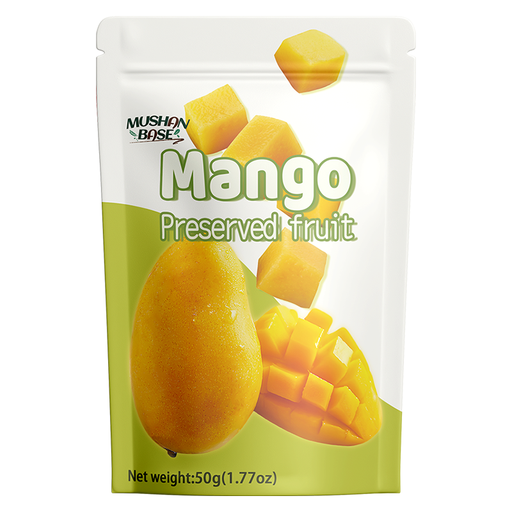
Why it suits this profile: A compact 50-gram bag is easy to manage for a first purchase, a lunchbox or a portion to take with you. The stated composition contains at least 79.5% mango.
The fruit percentage and added ingredients are clearly stated. This means you can assess the snack more effectively than by relying on the flavour name alone.
50 grams, individually wrapped according to the product description, ready to eat and soft, chewy in texture.
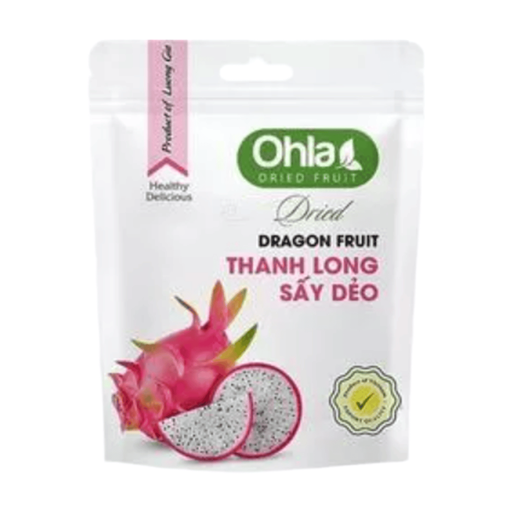
Why it suits this profile: The 180-gram pack is ideal if you want a larger supply for yoghurt, desserts or several snack occasions.
The available information states the weight, nutritional values and storage conditions. Check the packaging to confirm whether sugar or sulphites have actually been added.
180 grams, 10 grams of fibre per 100 grams according to the product information, and suitable as a topping or snack.
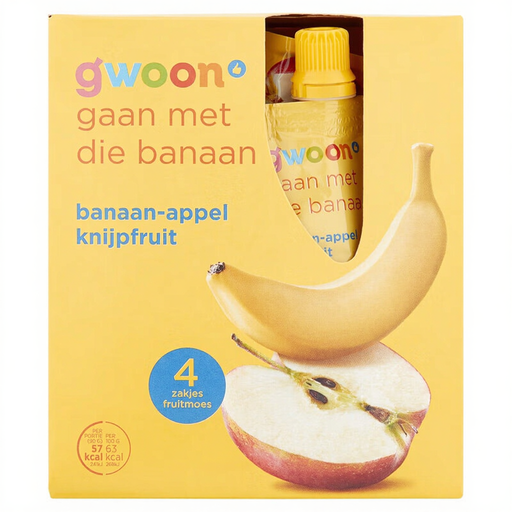
Why it suits this profile: Four pouches totalling 360 grams are practical for families, car journeys and days when you want to take something fruity with you without needing cutlery.
The ratio of 75% apple purée to 25% banana purée is clearly stated. This tells you exactly which types of fruit you are buying.
63 kcal and 13.4 grams of sugars per 100 grams according to the product information, no cutlery needed and four individual pouches.
For a playful sweet treat, you could consider Nerds Gummy Clusters Fruits or Cokoc Peelable Gummies Mixed Fruit Flavor. The Cokoc pack contains 60 grams and features a blend of apple, strawberry and mango juice concentrates. The product information also lists colourings, gelatine and various thickening agents.
Candied chestnuts, such as Titiz Candied Chestnut, are a soft-textured alternative. The ingredients list contains chestnuts and white sugar. According to the product information, the nutritional value is 194 kcal and 11 grams of sugars per 100 grams. This makes it a sweet speciality, not automatically a healthy snack.
If you prefer dried strawberries or other pieces of fruit, you can use them as a topping for yoghurt and desserts. Store opened packs in a cool, dry place and seal them properly to help prevent moisture and loss of quality.
We have put together a complete, up-to-date list of products that fully meet these strict selection criteria and the applicable European safety regulations.
Small bags of dried mango or strawberries are easy to take with you. Fruit purée pouches are practical for children and families because they are individually packaged and can be enjoyed without a spoon. Always check the instructions on the packaging when giving them to young children.
That depends on the ingredients and portion size. Dried fruit generally contains more fruit, but it may also contain added sugar. Gummies consist mainly of sugar, syrup and gelling agents; fruit concentrates may also be present. So compare the ingredients list and nutritional value per 100 grams.
Check the packaging for the exact shelf life. Store dried fruit, gummies and candied chestnuts in a cool, dry place away from direct sunlight. Seal opened packaging carefully. Do not use the product if the packaging is damaged or if its smell, colour or texture has clearly changed.
