
Vandaag of morgen in huis

Kwaliteit gegarandeerd

Welkomstaanbiedingen ontgrendelen: GRATIS bezorging | Tot 80% korting | Gratis 30 dagen JoyPlus-proefperiode
Download de app
Fruit snacks are handy for on the go, in lunchboxes or for sharing at home. Yet a picture of colourful fruit on the packaging doesn't always tell you what's inside. A product may contain fruit, but it could also be packed with sugar, colourings or preservatives. If you only look at the front of the pack, you might end up paying for a smaller portion than you expected.
In this buying guide, you'll discover what to look for when choosing dried fruit, fruit purée, gummies and other fruit sweets. This way, you can compare flavour, ingredients, packaging and when to use them in a practical way.
Dried strawberries, dried dragon fruit and candied fruit contain less water than fresh fruit. This often makes the flavour more intense, but the sugar content per 100 grams can be relatively high. So always check the nutrition table and pay particular attention to:
For example, MUSHAN BASE Dried Strawberry Slices lists 57.4 grams of sugar per 100 grams. The ingredients are dried strawberries and sugar. That makes this product suitable as a sweet snack, but it's not the same as a portion of fresh fruit.
Gummies and fruit sweets can contain fruit concentrates or fruit juice, while sugar syrup remains the main ingredient. Cokoc Peelable Gummies, for instance, contain glucose syrup and sugar, alongside apple, strawberry and mango juice concentrate. So the product name and flavour alone aren't enough: read the ingredients from top to bottom.
Also look out for gelatine if you're after vegetarian or halal options. Nerds Gummy Clusters Fruits list pork gelatine as an ingredient. If in doubt, always check the current label.
A 45 or 50 gram pouch is easy to take with you, but always compare the price per 100 grams. A larger bag isn't automatically better value if you can't reseal it properly or need to use it up quickly. Also check the shelf life and storage advice, especially for snacks you only use occasionally.
The ingredients list is a more objective starting point than terms like “natural” or “fruity”. Check:
With MUSHAN BASE Red Heart Sapodilla Fruit Snack, the product consists of 72% red sapodilla pulp according to the specification, along with sugar, acidity regulator E330, preservative E223 and salt. The product also lists sulphites. That's relevant information for anyone who checks labels carefully.
Compare products on the same basis. A 50 gram pouch of dried strawberries and a 360 gram box of fruit purée are packaged differently, but the table per 100 grams makes comparison much easier.
Fruit purée and fruit pouches generally contain more moisture than dried fruit. g'woon Squeezable Fruit Pear Apple contains 70% apple purée and 30% pear purée and lists 55 kcal per 100 grams. The banana-apple version contains 63 kcal per 100 grams. That makes fruit pouches practical for on the go, but also check the portion size and the number of pouches per pack.
For a snack on the move, a resealable pack, individual portions and clear usage instructions are practical. According to the product information, dried fruit should be stored in a cool, dry place, away from direct sunlight and moisture. After opening, it's important to seal it well.
Fruit pouches are ready to use straight from the pack. Gummies, Skittles sweets and hawthorn balls are often suitable for sharing, but pay attention to the portion size and any warnings on the label. Products with a soft or sticky texture can also be less convenient in a warm bag.
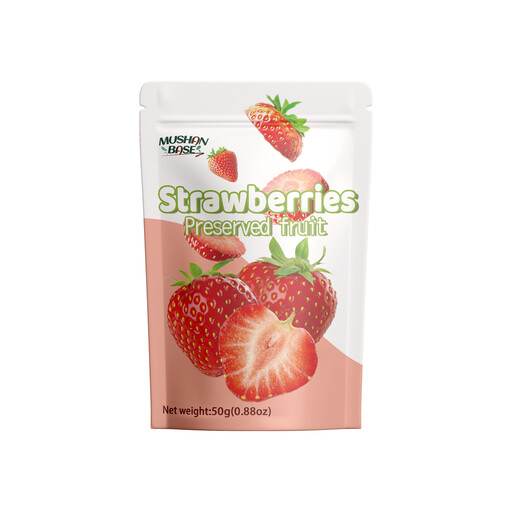
Why this fits the profile: A compact pack of dried strawberries for anyone wanting to try a straightforward, fruity snack without committing to a large quantity.
The product specification lists just two ingredients: dried strawberries and sugar. This makes the composition easy to check.
50 grams, ready to eat and suitable as a topping for yoghurt or desserts. Per 100 grams: 313 kcal and 57.4 grams of sugar.
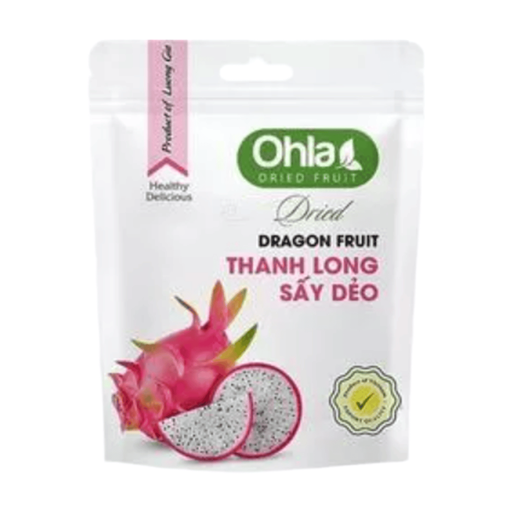
Why this fits the profile: For fans of exotic snacks who want a larger pack of dried dragon fruit for home or to share.
The pack states 180 grams and gives storage advice. Do check the current label on arrival for added sugar or sulphite.
180 grams, 10 grams of fibre per 100 grams according to the product specification and suitable for immediate use.
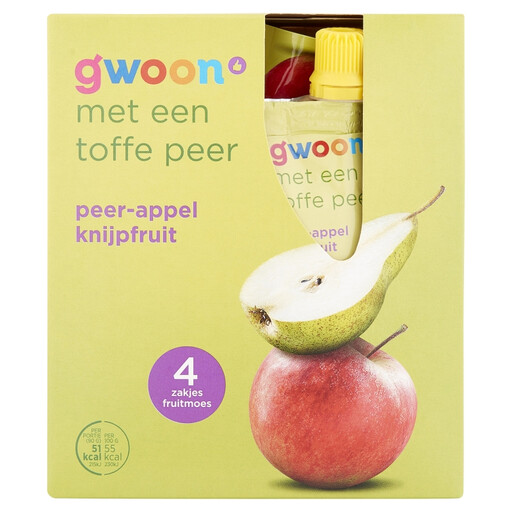
Why this fits the profile: Handy for families, bike rides and work days when a portion of fruit purée without cutlery is just what you need.
The ratio is clearly stated: 70% apple purée and 30% pear purée. The pack of four portions also makes the total quantity clear.
Four squeeze pouches, 360 grams total, 55 kcal per 100 grams and none of the 14 major EU allergens listed.
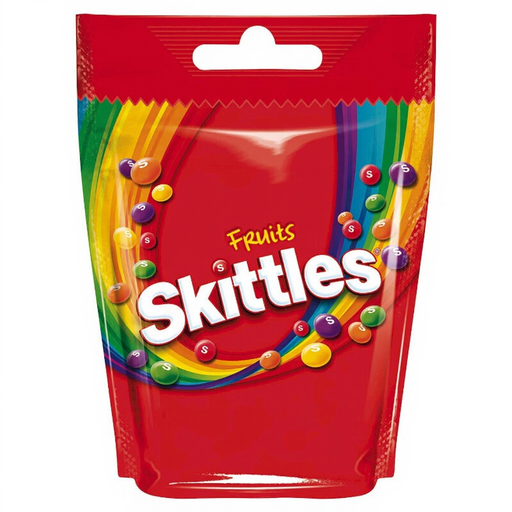
Why this fits the profile: For a sharing moment with colourful fruit sweets when flavour variety and a larger bag matter more than fruit purée or dried fruit.
The product information lists ingredients and nutritional values: 73.7 grams of sugar per 100 grams. This makes the choice clear as a sweet treat.
152 grams, multiple fruit flavours and suitable for sharing. Store the pack in a dry place and keep it well sealed.
We've put together a full, up-to-date list of products that fully meet these strict selection criteria and comply with current European safety regulations.
Fruit pouches are practical because you don't need a spoon or a plate. A pack like g'woon Pear Apple contains four individual pouches. Dried fruit is also compact, but check whether the pack is resealable after opening.
Check the exact best-before date on the pack. Store dried fruit in a cool, dry place away from direct sunlight. Moisture can affect the texture and quality. Seal the pack well after opening and don't use the product if the packaging is damaged.
They fall within the broad category of fruit snacks because of their fruit flavour or fruit concentrate, but nutritionally they're not the same as dried fruit or fruit purée. So always compare the ingredients list, sugar content and portion size before you order.
