
Vandaag of morgen in huis

Kwaliteit gegarandeerd

Welkomstaanbiedingen ontgrendelen: GRATIS bezorging | Tot 80% korting | Gratis 30 dagen JoyPlus-proefperiode
Download de app
A packet showing strawberries, mango or blueberries on the front can quickly look like a fruity snack. Yet not every product with a fruit name contains much fruit. Some fruit snacks are mainly sweets, while others are dried fruit, fruit purée or a nut and fruit mix. If you rely only on the picture or name, you could end up buying more sugar, sweeteners or allergens than expected.
With this guide, you can compare fruit snacks based on ingredients, nutritional value, portion size, storage instructions and suitability for children.
“Fruit toffee”, “fruit jelly” and “fruit sweets” may contain fruit, but the amount varies considerably. So check the ingredients list. In the EU, ingredients are generally listed in order of weight. If sugar or glucose syrup appears first, it is a more significant ingredient than the fruit named on the packaging.
For example, Fruittella Berries and Cherry Toffees contains, among other ingredients, glucose syrup, sugar and 3% fruit juices from raspberry, blackberry, strawberry and cherry. That makes it a fruity toffee, not a substitute for fresh fruit.
Comparing products is important when buying dried fruit and fruit products online too. Removing water makes dried fruit taste more concentrated, meaning that a small portion can contain relatively high amounts of carbohydrates. Fruit sweets often also contain sugar, glucose syrup or sweeteners.
So always check the nutritional information per 100 grams and per portion. A small packet may seem good value, but a large bag can quietly contain several eating occasions.
A fruit snack for children should be suitable for their age and the occasion. For baby fruit purée, check the age indication, ingredients and storage time after opening. According to the product information, Olvarit Fruit Snack Peach Banana Kiwi is suitable from 6 months. Olvarit Apple Pear Raspberry is intended for children from 12 months.
Also look out for allergens. Nut and fruit mixes often contain almonds, walnuts or cashew nuts. Some sweets contain gelatine. For products containing colourings, read the warning on the label. For example, Be&Cheery Many Kinds of Hawthorn lists Allura Red AC (E129) together with the legally required warning about activity and attention in children.
First decide what type of fruit snack you are looking for:
According to the product information, G’woon Banana Apple Squeeze Fruit contains 75% apple purée and 25% banana purée. This is more transparent than a product that only mentions a fruit flavour.
Do not compare calories alone. Also pay attention to:
Sihong Gray Dates with Walnuts consists only of grey dates and walnuts, but these ingredients mean it contains 32.7 grams of fat and 549 kcal per 100 grams. A simple ingredients list therefore does not tell the whole story; the nutritional table remains important.
Choose the packaging based on how you plan to use it:
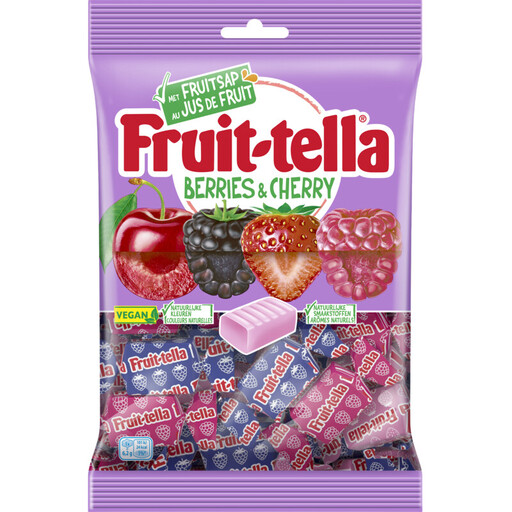
Why it suits this profile: A familiar 200-gram bag of individually wrapped toffees for anyone looking for a fruity treat without buying several smaller packets.
The product information states that it contains 3% fruit juices, natural colourings and natural flavourings. This makes it clear that it is a fruit-flavoured sweet, not a fruit purée.
200 grams, individually wrapped, vegan according to the product description and free from the 14 main EU allergens.
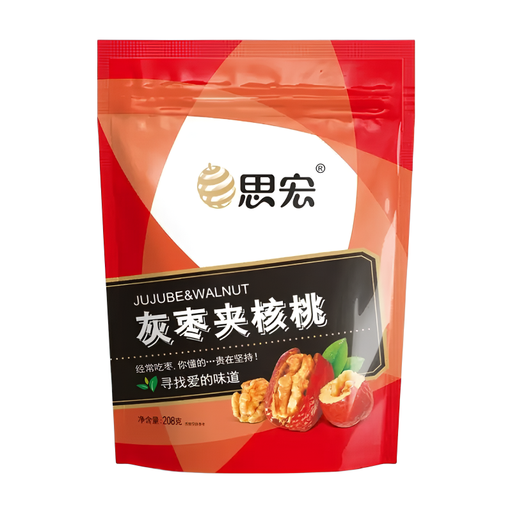
Why it suits this profile: For shoppers who value a short ingredients list and a combination of dried fruit and nuts more than the texture of sweets.
The ingredients list names only grey dates and walnut. No preservatives or additional flavourings are listed.
Two ingredients, 208 grams of contents and a clear indication that walnut is an allergen.
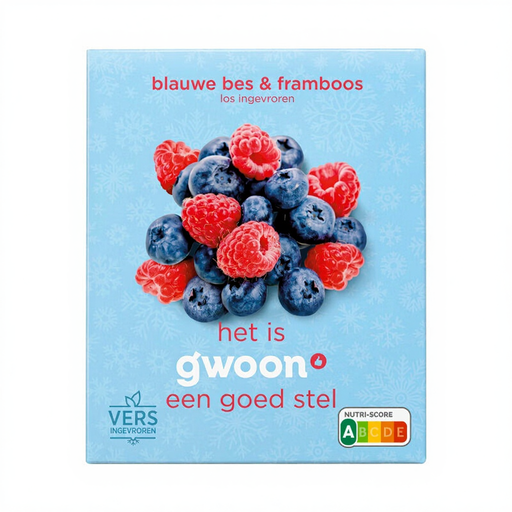
Why it suits this profile: Suitable for families who want to add fruit to yoghurt, smoothies or desserts and have space to store a supply in the freezer.
The composition is simple: 50% blueberries and 50% raspberries. The packaging clearly states that the product must remain frozen.
250 grams, an equal proportion of both types of fruit and suitable for use straight from the freezer.
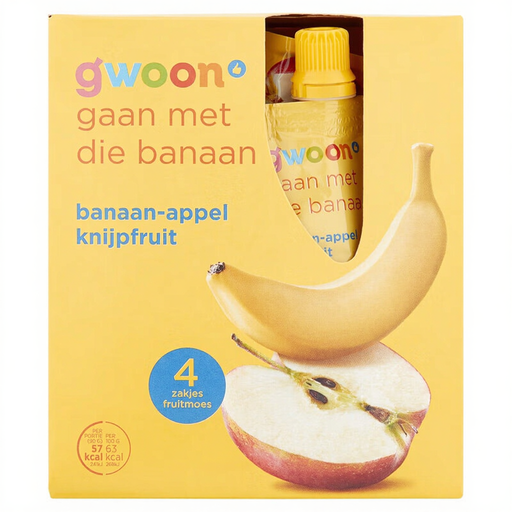
Why it suits this profile: Four squeezable pouches totalling 360 grams are practical for days out, school bags or several planned snack times.
The fruit percentage is clearly stated: 75% apple purée and 25% banana purée. None of the 14 main EU allergens are listed.
Four individual portions, 63 kcal per 100 grams according to the product information and easy to take with you.
We have put together a complete, up-to-date list of products that fully meet these strict selection criteria and the applicable European safety regulations.
Fruit sweets, such as fruit toffees, gummies and fruit jelly, usually contain sugar, glucose syrup and gelling agents. The fruit content may be limited. Fruit purée consists mainly of puréed fruit, sometimes with water, rice flour or an antioxidant. Always read the ingredients list instead of relying solely on the product name.
Check the age indication and follow the instructions on the packaging. The Olvarit variants mentioned are intended for children from 6 months and from 12 months respectively. Always check the current label, best-before date and storage time after opening before use. Do not give a baby a product that is not intended for their age group.
Store dried fruit in a cool, dry place and reseal the packaging properly after use. Frozen fruit must remain frozen. After thawing, keep it refrigerated and use it within the period stated on the label. Do not refreeze thawed fruit unless the packaging expressly permits this.
