
Vandaag of morgen in huis

Kwaliteit gegarandeerd

Welkomstaanbiedingen ontgrendelen: GRATIS bezorging | Tot 80% korting | Gratis 30 dagen JoyPlus-proefperiode
Download de app
Buying fruit juice and fruit drinks online seems straightforward, until you compare the labels side by side. A tropical fruit drink, for example, may consist mainly of water, while a product with “juice” on the front may contain only a limited amount of fruit. A pack labelled “no added sugar” is not automatically sugar-free either: fruit sugars may still be present.
With these practical selection tips, you can compare products in a way that suits your household, taste and occasion.
Words such as “tropical”, “natural” or “with fruit” say little about the actual fruit content. So always check the ingredients list and the stated juice or purée content. According to the product information, for example, Maaza Guava Fruit Drink 330 ml contains 16% guava juice from concentrate and sugar. This makes it a guava-flavoured fruit drink, not the same as 100% guava juice.
For a product such as Zonnatura Organic Plum Juice, the description specifically states that it consists of juice from dried organic plums. The ingredients list specifies plum juice obtained through water extraction. This distinction matters if you are specifically looking for organic fruit juice or a product with a high fruit content.
Iam Superjuice Mango, Passionfruit and Lychee are labelled “no added sugar”. According to the product descriptions, these drinks contain 17, 17 and 15 kcal per 100 ml respectively. However, the sweet taste does not necessarily come from the fruit alone; steviol glycosides are listed for the mango version. So always check:
A fruit drink with no added sugar may be a suitable choice if that is what you are looking for, but “sugar-free” is a different claim.
A 1-litre fruit juice may seem practical for breakfast or a family, but once opened it must be refrigerated and used within the period stated on the packaging. A multipack of 330 ml cans may be more convenient for work, visitors or taking with you. On the other hand, individual portions generally mean more packaging per litre.
So compare the price per litre, not just the price per pack.
The product name provides an initial indication, but the ingredients list contains the details you can verify. Look out for terms such as:
With mixed products, the name can give a misleading impression. G’woon Zappie Tropical Juice 1 litre, for example, lists water, a dairy ingredient and 8% fruit juice from concentrate, including apple, pineapple and passion fruit. It is therefore not pure pineapple juice or passion fruit juice.
The nutrition table makes products easier to compare. Pay particular attention to energy and sugars per 100 ml. Some examples from the available product information include:
These figures do not tell you anything about the flavour, but they do help with an objective comparison. Also consider the serving size: a 250 ml glass contains more than twice the amount listed per 100 ml.
For fruit drinks containing dairy ingredients, always check the allergens. Taksi Tropical Fruit and G’woon Zappie products list milk or milk ingredients. Other products, such as Maaza Guava and Sagiko Lychee Drink, do not list any of the 14 main EU allergens according to the product information.
Once opened, the usual advice is: keep refrigerated and use within the stated period. With cans, this is easier because you can finish a portion in one go. A 1- or 1.5-litre carton is better suited to everyday use at home.
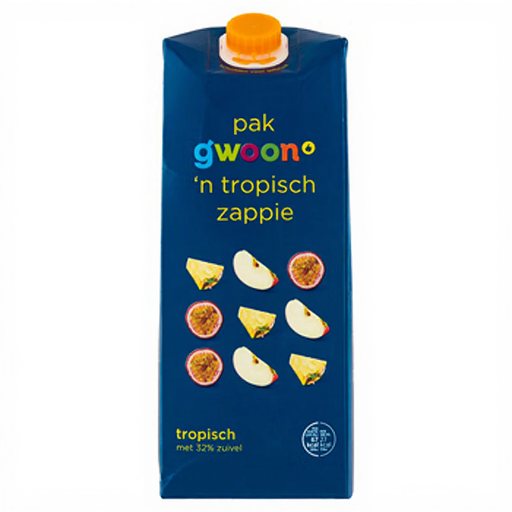
Why it suits this profile: A one-litre pack is easy to manage for everyday use at home and is a good way to try a tropical fruit drink at your leisure.
The product information states 8% fruit juice and milk ingredients. This allows you to compare the product accurately and avoid confusing it with pure pineapple juice or orange juice.
1 litre; 6.3 g of sugars per 100 ml according to the product information; contains milk and sweetener.
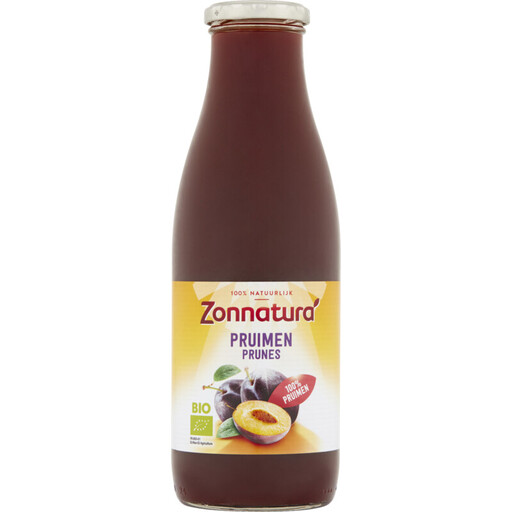
Why it suits this profile: Ideal if you care about organic provenance and are looking for a distinctive plum flavour to drink or use in muesli and desserts.
The ingredients list specifies organic plum juice obtained through water extraction. This makes it clear which fruit ingredient takes centre stage.
Organic; 750 ml; 100% plum according to the product description; none of the 14 main EU allergens listed.

Why it suits this profile: A multipack of individual cans is ideal for families, offices, parties and anyone who likes to keep a regular supply of passion fruit drink.
The product information states 30% natural passion fruit juice and no added sugar. However, always check the current packaging when buying.
12 cans of 330 ml; 17 kcal per 100 ml according to the description; best served chilled.
We have put together a complete, up-to-date list of products that fully meet these strict selection criteria and the applicable European safety regulations.
For a family, Maaza Mango Drink 6 x 1 litre or Capri-Sun Multivitamin Juice 10 x 200 ml are practical formats. The first option is designed for sharing from a bottle; the second consists of individual portions. According to the product description, Capri-Sun contains 10% fruit and no artificial sweeteners, preservatives or colourings. Here too, check the sugar content: 7.1 g per 100 ml.
If you are looking for a tropical fruit drink with guava, you can compare Maaza Guava 330 ml with the 1-litre pack. According to the available information, the 330 ml version contains 16% guava juice from concentrate, while the 1-litre pack states 18% guava purée. This small difference in percentage, together with the pack size, may determine your choice.
For organic fruit juice, B+ Orange Juice 1 litre is an option to compare with Zonnatura. The product information lists organic orange juice from concentrate as an ingredient. Before ordering, check the current nutrition table on the packaging, as the supplied information contains some uncertainties.
Fruit juice consists mainly of juice, which may be from concentrate. A fruit drink often also contains water, sugar, sweeteners, flavourings or other ingredients. So do not just look at the name: pay particular attention to the fruit content and the complete ingredients list.
Opened juice should generally be kept in the fridge, in line with the period stated on the packaging. Close the bottle or carton securely. Some products specify a particular period, such as consuming within 48 hours or within a few days. The packaging is always the final authority.
No. “No added sugar” means that no sugar was added during production. The fruit may naturally contain sugars. So check the line stating of which sugars and also look out for any sweeteners.
