
Vandaag of morgen in huis

Kwaliteit gegarandeerd

Welkomstaanbiedingen ontgrendelen: GRATIS bezorging | Tot 80% korting | Gratis 30 dagen JoyPlus-proefperiode
Download de app
Searching online for fruit drinks and fruit juice seems straightforward, until you compare different terms, fruit percentages and vitamin claims. A multivitamin drink is not automatically the same as 100% fruit juice. A large carton or multipack of fruit drinks is not always better value either, if you do not check the contents and shelf life.
As a Joybuy Product Recommendation Officer, I filter the most important information using verifiable details on the product label. This helps you quickly see which drink suits your family, your taste and the occasion.
Words such as “tropical”, “exotic” or “multivitamin” mainly describe the flavour or product positioning. Always check the ingredients list and the stated percentage of fruit juice or purée.
Examples from the range:
All these products fall into the fruit drink and fruit juice category, but their compositions are clearly different.
Fruit juice with no added sugar can still contain natural sugars from fruit. For example, Appelsientje Blackcurrant lists 11.7 grams of sugar per 100 ml, naturally occurring in the fruit. Iam Superjuice Mango Drink is labelled “no added sugar”, but according to the product description it contains steviol glycosides and provides 17 kcal per 100 ml.
If you want to avoid sugar, always check the nutrition table for carbohydrates, of which sugars. Also look for sweeteners in the ingredients list.
Fruit juice with vitamin C or a multivitamin drink may contain added vitamins, but the amount varies considerably between products. Claims about the effects of vitamins must be assessed in line with European nutrition and health claim regulations. According to a brand’s own research or communications, “fortified with vitamin C” does not mean that the drink is a substitute for a varied diet.
So check:
First, distinguish between:
Appelsientje Blackcurrant, for example, is a multi-fruit juice from concentrate with 100% fruit content. Sourcy Vitamin Water Mango Guava, on the other hand, is a sugar-free drink made with spring water and mango-guava flavour, vitamins, magnesium and guarana extract.
Compare the values per 100 ml, not just per bottle or can. A 1.5-litre bottle contains fifteen 100 ml portions, while a 330 ml can contains more than three times that amount.
Pay attention to the combination of:
A product containing 0 grams of sugar can still taste sweet because of sweeteners. A product with no added sugar can contain natural fruit sugars.
For a household, 1.5 litres of fruit juice is practical at breakfast or when entertaining. A multipack of fruit drinks with 6 or 12 small packs is more convenient for travel, work or portion control. Once opened, a bottle usually needs to be refrigerated and consumed within the period stated on the packaging.
Also check:
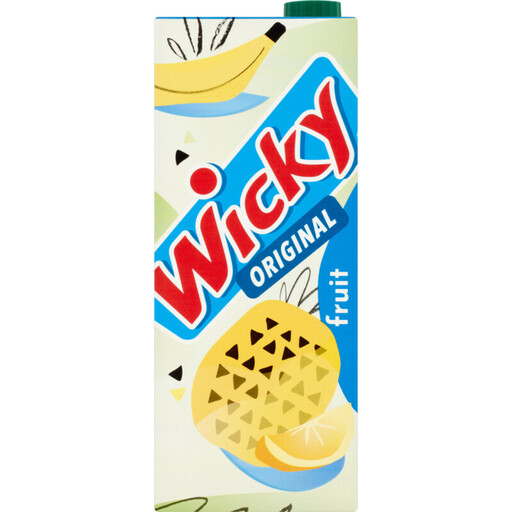
Why it suits this profile: The 1.5-litre bottle is ideal for families looking for an accessible fruit drink for home, with a choice of different fruit flavours.
The fruit percentage is clearly stated as 10% fruit juice and puree, so you will not mistake the drink for 100% fruit juice.
1.5 litres, a blend of several fruit flavours and, according to the product information, vitamins A and C.
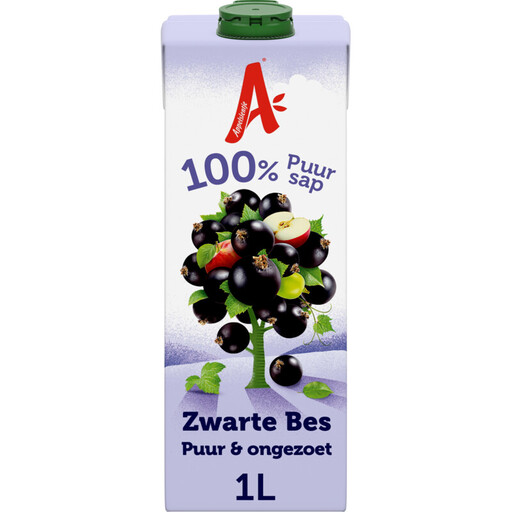
Why it suits this profile: For anyone who values a pronounced berry flavour and high fruit content more than a large volume.
The product information states 100% fruit content and no added sugar. According to the label, the sugars present occur naturally in the fruit.
100% multi-fruit juice from concentrate, 1 litre and 12 mg of vitamin C per 100 ml according to the product details.

Why it suits this profile: The 12 330 ml cans are practical for serving chilled, taking on the go, keeping at the office or serving at a gathering.
The 30% fruit content and nutritional value of 17 kcal per 100 ml are stated in the product information, along with “no added sugar”.
Convenient portions, tropical passion fruit flavour, vitamin C according to the label and a total of 3.96 litres per tray.
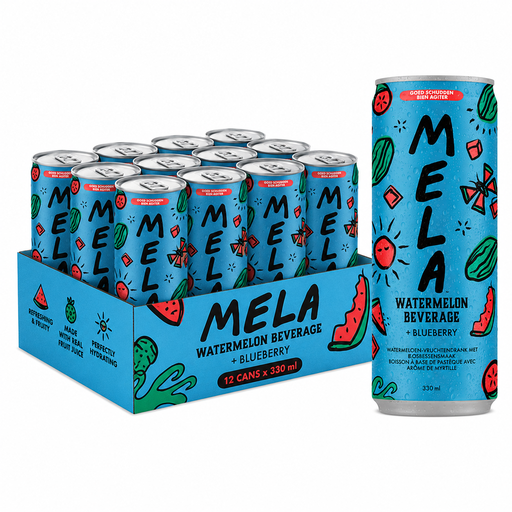
Why it suits this profile: An option for anyone looking for watermelon drink with a subtle blueberry note in a chilled multipack.
The label states 99% watermelon juice, 30 kcal per 100 ml and 7.6 grams of sugar per 100 ml. The drink is therefore not sugar-free.
99% watermelon juice, 12 packs of 330 ml and vitamin C according to the product information.
We have put together a complete, up-to-date list of products that fully meet these strict selection criteria and the applicable European safety regulations.
Fruit juice consists mainly of juice from fruit, possibly from concentrate. Fruit drink usually contains water with a lower percentage of juice or purée and may contain sugar, sweeteners, flavourings and added vitamins. Check the ingredients list and fruit percentage for the exact definition.
No. In fruit juice with no added sugar, the sugars often occur naturally in the fruit. So check the nutritional values per 100 ml. “No added sugar” does not automatically mean “sugar-free” or “low in sugar”.
Follow the storage advice on the packaging. Most opened bottles of fruit drink and fruit juice should be refrigerated and consumed within a few days. A multipack of individual cans or small packs prevents you from having to finish a large bottle quickly.
