
Vandaag of morgen in huis

Kwaliteit gegarandeerd

Welkomstaanbiedingen ontgrendelen: GRATIS bezorging | Tot 80% korting | Gratis 30 dagen JoyPlus-proefperiode
Download de app
Navigating beverage aisles in the Netherlands presents a wide variety of choices, ranging from traditional breakfast orange juice to fruit-flavoured spring waters and exotic botanical blends. While colourful labels and vibrant fruit imagery are common across all cartons and cans, the actual liquid inside differs considerably in fruit concentration, sweetness, and nutritional composition. Choosing the right option requires looking past upfront branding to see whether a product provides full-strength fruit, a diluted cordial-style mixture, or a functional water enriched with trace minerals.
Selecting the ideal drink also comes down to daily routines, household sizes, and storage considerations. A large 1.5-litre carton offers convenient value for a busy family breakfast, but single-portion cans or resealable screw-top bottles prove much more practical for packed lunches, gym sessions, and commutes. This guide clarifies the essential criteria, including juice percentages, ingredient profiles, and container formats, helping you select the right drink for every occasion.
A frequent oversight is assuming that any beverage depicting fresh fruit contains pure, unadulterated juice. In the European market, pure juice must consist entirely of fruit juice with no added water, whereas fruit drinks (vruchtendrank) often combine water, puree, and modest juice ratios around 10% to 30%. While diluted drinks offer a lighter texture and lower natural sugar density per serving, shoppers expecting rich, full-bodied morning juice will find them much milder than anticipated.
Purchasing multi-litre cartons for single or two-person households often leads to avoidable waste. Once exposed to oxygen, standard juices and fruit drinks begin oxidising, losing their fresh flavour notes and vitamin efficacy within three to five days even when stored in a standard refrigerator. For smaller households or occasional consumers, opting for individual 330 ml cans or compact one-litre packs prevents unfinished cartons from spoiling at the back of the fridge.
Many buyers mistakenly group all fruit-based drinks into a single high-calorie bracket, missing out on contemporary functional waters and zero-sugar alternatives. Flavoured still waters and fortified blends can deliver bright mango, guava, or citrus notes alongside vitamins while completely eliminating sugars. Checking whether sweetness originates from pure squeezed fruit, fruit puree, or non-caloric formulas ensures your drink aligns with your energy and hydration requirements.
The proportion of real fruit liquid defines mouthfeel, flavour intensity, and natural carbohydrate content. Products range from pure squeezed juice down to infused natural spring waters.
Beverage recipes vary greatly between unadorned fruit concentrates, vitamin-fortified blends, and zero-sugar functional hydration formulas.
Container design determines storage requirements, opening freshness, and ease of transport during daily commutes or school routines.
These selected beverages cover various household preferences, from classic breakfast staples and family refreshments to functional workout hydration and exotic travel treats.
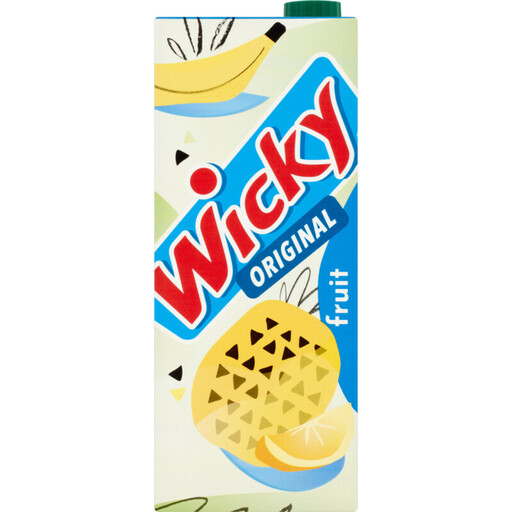
Why This Fits Their Persona: Supplies a generous 1.5-litre volume tailored for regular daily pouring, featuring an accessible 10% fruit blend made with concentrate and fruit puree. Its balanced consistency appeals to younger palates seeking refreshment without heavy tartness.
Formulated without artificial sweeteners, colourings or artificial flavourings, ensuring families avoid synthetic additives in after-school cups.
Enriched with vitamins A and C, providing supportive micronutrients across a cost-effective, high-volume carton format.
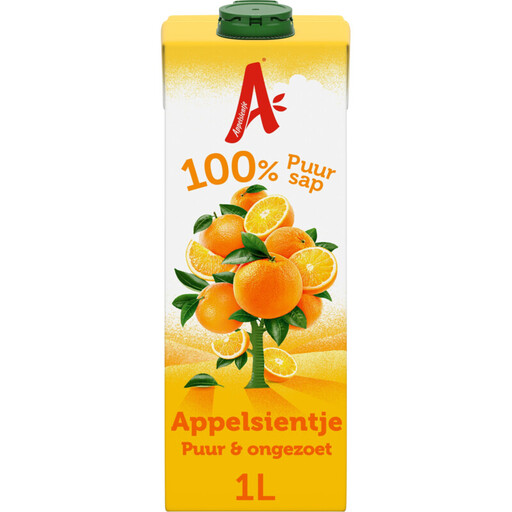
Why This Fits Their Persona: Delivers a dedicated one-litre orange juice carton that serves as a dependable centrepiece for morning dining tables and weekend brunches. It provides the recognisable, classic citrus profile expected alongside toast and morning oats.
Sidesteps unexpected flavour combinations and hybrid blends, sticking directly to familiar orange juice without extra complexity.
Comes in a space-conscious one-litre carton dimension that slots easily into standard refrigerator door shelves.
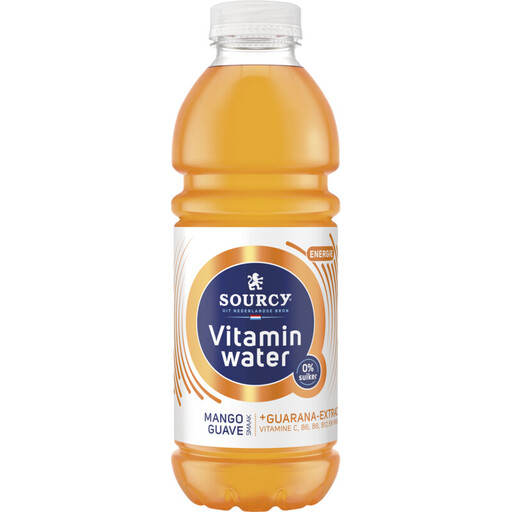
Why This Fits Their Persona: Combines non-carbonated natural spring water with refreshing mango and guava flavouring, providing steady hydration for gym sessions or long desk hours. Because it contains zero sugar, it hydrates cleanly without feeling sticky.
Prevents surplus caloric and sugar intake during post-exercise recovery, maintaining total lightness through a water base.
Fortified with vitamins B6, B12 and C, along with magnesium and 0.01% guarana extract to support an active lifestyle.
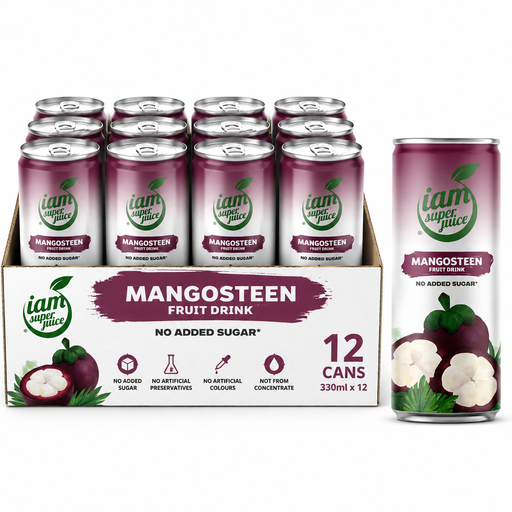
Why This Fits Their Persona: Provides a 12-pack of individual 330 ml aluminium cans packed with 30% mangosteen juice, making it easy to enjoy a distinct tropical profile on the move. The multipack ensures a steady supply for packed lunches or afternoon refreshments.
Contains no added sugars, relying on natural juice characteristics rather than syrupy fillers for flavour balance.
Fully vegan and gluten-free, enriched with vitamin C and designed to chill quickly for single-portion enjoyment.
Pure fruit juice consists of 100% fruit extract without added water or fillers, offering dense natural fruit sugars and deep flavour. In contrast, fruit drinks (vruchtendrank) blend fruit juice or puree with water at lower concentrations, often between 10% and 30%. This makes fruit drinks lighter in texture and lower in overall natural sugar per glass compared to pure juice.
Individual 330 ml aluminium cans and screw-top single bottles provide the highest reliability on the move. Cans withstand pressure inside backpacks without popping open, chill rapidly in small fridges, and eliminate the need for cups or pouring spouts, making them practical for travel, commutes, and outdoor activities.
Once opened, most standard fruit juices and fruit drinks should be kept refrigerated and consumed within three to five days. Exposure to air causes gradual oxidation, which alters delicate flavour profiles and degrades added vitamins over time, even in sealed cartons.
