
Vandaag of morgen in huis

Kwaliteit gegarandeerd

Welkomstaanbiedingen ontgrendelen: GRATIS bezorging | Tot 80% korting | Gratis 30 dagen JoyPlus-proefperiode
Download de app
When you search online for fruit juice and fruit drink, you’ll quickly come across terms like “no added sugar”, “with vitamins” and “100% natural”. These words don’t always mean what you might expect. A fruit juice can be made from concentrate and still naturally contain a lot of sugar. A fruit drink may be low in calories but could contain sweeteners. And a large pack isn’t automatically better value if you don’t finish it in time.
With the following checks, you can compare orange juice, multivitamin drinks, tropical fruit drinks and other options based on the information on the label.
A product labelled no added sugar can still contain natural fruit sugars. According to the product information, Appelsientje Orange Juice contains 8.6 grams of sugar per 100 ml. No sugar has been added, but the juice does contain the sugars naturally present in oranges.
A sugar-free fruit drink or fruit drink with no added sugar may also be sweetened with sweeteners. According to the label, Wicky Raspberry Fruit Drink contains less than 0.1 grams of sugar per 100 ml, but it does contain sucralose and acesulfame-K. So always check both the nutritional information table and the ingredients list.
The words “multivitamin” and “vitamin drink” refer to added vitamins, not automatically to a high fruit content. According to the product description, Surango Multivitamin Juice is made from water and concentrated fruit, including orange, apple, lemon, peach, banana and mango. The ingredients list states a total of 17% concentrated fruit juice.
That’s quite different from a juice with 100% fruit content. So look at the percentage of fruit, the added vitamins and the amount of sugar per 100 ml. You can’t judge a health claim from the name alone.
A 1-litre pack of fruit juice is practical for a smaller household or occasional use. A 1.5-litre fruit drink is better suited to families or to stocking up in the fridge, but it takes up more space and needs to be kept chilled after opening. For drinking on the go, smaller packs, such as a 300 ml tropical fruit drink, can be more convenient.
Pay attention to the difference between:
Appelsientje Orange Juice with extra pulp is described in the product information as 100% pure orange juice from concentrate. The version with pulp is worth considering if you like the texture of fruit juice with pulp. Always check the current packaging, as product compositions can change.
Always compare the values per 100 ml. This makes for a fair comparison between a 1-litre bottle, a 1.5-litre carton and a can.
Examples from the available product information:
Also look out for words like sucralose, acesulfame-K, steviol glycosides or “sweetened with sweetener”. A low sugar content can go hand in hand with sweeteners. That’s not a problem in itself, but it can affect your taste preference.
A product with vitamin C, D, E or A could be of interest if you’re specifically watching those nutrients. According to the product information, Wicky Raspberry Fruit Drink contains 0.9 mg of vitamin E per 100 ml. Wicky Fruit Juice lists vitamins A and C. According to the label, Taksi Tropical Fruit Juice contains vitamins C and D.
These are product specifications, not medical advice. If you have an allergy, also check the ingredients list. Taksi drinks contain milk ingredients, while several orange and multivitamin drinks in the product information do not list any of the 14 major EU allergens.
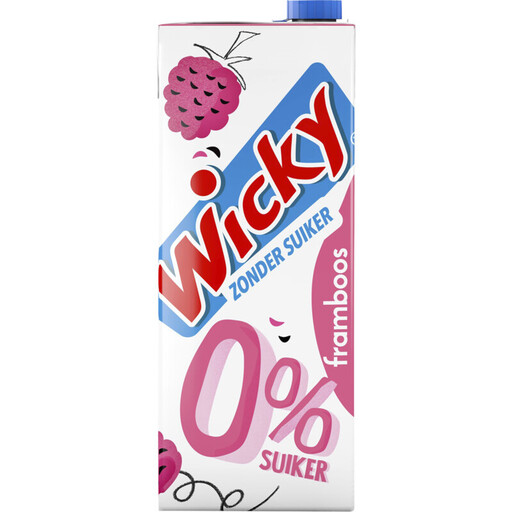
Why this fits the profile: The large pack is suitable for home use and the product information states 1 kcal per 100 ml.
The label makes the low sugar content clear. Do check whether the sweeteners used suit your preference.
1.5 litres, raspberry flavour, less than 0.1 grams of sugar and added vitamin E according to the product information.
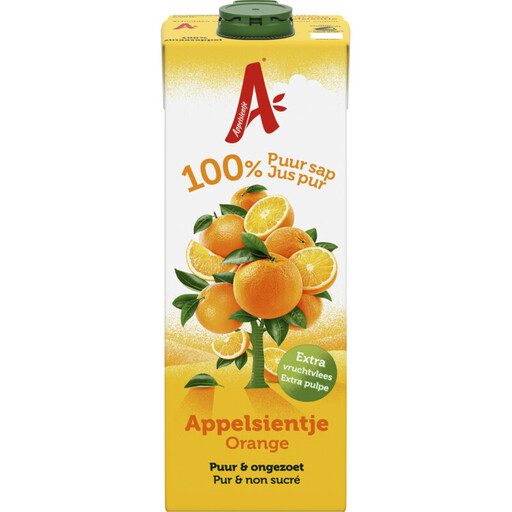
Why this fits the profile: This choice suits anyone who values 100% orange juice and a clear ingredients list.
The product information states 100% fruit content and no added sugar. The natural fruit sugars are still present.
Extra pulp, 41 kcal and 8.6 grams of sugar per 100 ml, plus 33 mg of vitamin C per 100 ml according to the label.
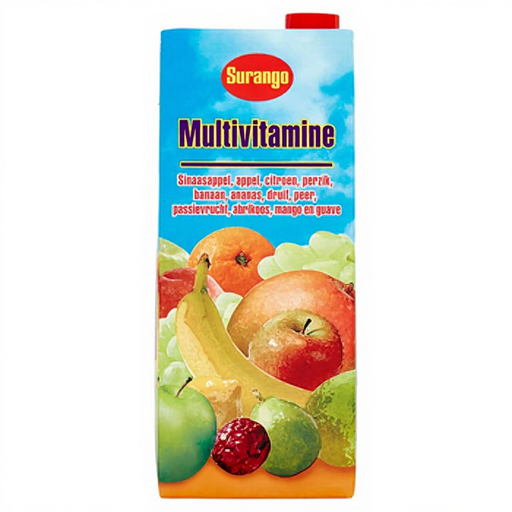
Why this fits the profile: The 1.5-litre pack and blend of 11 fruit concentrates are practical for a household that regularly pours a fruit drink.
The product description lists the different fruit concentrates. Compare the stated fruit percentage with that of 100% fruit juice.
11 listed fruit concentrates and 1.5 litres of content. Check the current nutritional information table on the packaging before buying.
We’ve put together a full, up-to-date list of products that fully meet these strict selection criteria and comply with current European safety regulations.
Store unopened packs according to the label, usually in a cool place out of direct sunlight. After opening, fruit juice or fruit drink should generally be kept in the fridge. Seal the pack properly and pay attention to the recommended period after opening. Shake a fruit juice with pulp before pouring, so the pulp is evenly distributed.
For a family, a 1.5-litre fruit drink is often practical. For a single-person household, a 1-litre pack of fruit juice can help limit waste. Small packs are handy for drinking on the go, but compare the price per litre before buying several individual bottles.
No. “No added sugar” means that no sugar has been added to the recipe. Fruit juice can still contain natural fruit sugars. Look at the nutritional value per 100 ml.
Fruit juice consists of juice, possibly from concentrate. A fruit drink usually also contains water and a lower percentage of fruit juice or purée. Check the ingredients list and the fruit percentage.
This varies by product. Keep it chilled after opening and follow the period stated on the label. Smell and look at the drink before use to check that it still seems normal; if in doubt, it’s best not to drink it.
