
Vandaag of morgen in huis

Kwaliteit gegarandeerd

Welkomstaanbiedingen ontgrendelen: GRATIS bezorging | Tot 80% korting | Gratis 30 dagen JoyPlus-proefperiode
Download de app
A carton of fruit juice might seem simple to pick up, until you start comparing the labels. One drink contains 100% juice, another only a tiny percentage of fruit. Some products contain sugar, others use sweeteners or added vitamins. The difference between a large bottle for the family and a small carton for on the go also affects which choice is right for you.
As Joybuy Product Recommendation Officer, I filter product information by verifiable points. That way, you can see more quickly which fruit juice or fruit drink suits your household, your taste and the occasion you’re drinking it for.
Orange juice, apple juice and other juices can naturally contain fruit sugars. Appelsientje Orange Juice, for example, lists 8.6 grams of sugar per 100 ml, despite having no added sugar. That is quite different from a sugar-free fruit drink.
So always check:
A low-sugar drink may contain sweeteners such as sucralose or acesulfame-K. That is not a hidden flaw, but it is a difference in both composition and taste.
A tropical fruit drink with mango, passion fruit or pineapple can be mostly water. According to the product information, Wicky Mango Fruit Drink contains 0.2% mango juice from concentrate. Taksi Tropical Fruit states on the label that it contains 6% fruit juice from concentrate, alongside 40% milk constituents.
So don’t just look at the big flavour name on the packaging. Look for:
Some products contain added vitamin C, D or E. According to the product description, Wicky Mango Fruit Drink contains 16 mg of vitamin C per 100 ml. Karvan Cevitam Multifruit Syrup lists 60 mg of vitamin C per 100 ml of syrup, but that syrup is diluted with water.
So compare the nutritional value after preparation when it comes to fruit syrup. The value on the concentrate label is not the same as the value in a glass of squash.
If you are looking for a fruitier taste, it is worth comparing the fruit percentage. Appelsientje Orange Juice and Appelsientje Golden Apple Pure Juice are described in the product information as 100% pure juice. According to the label, Appelsientje Black Currant Juice consists of apple, white grape and blackcurrant juice from concentrate, among others.
With a multi-fruit juice, the flavour can be heavily influenced by apple or grape, even when mango, passion fruit or berry is prominent on the front. So read the ingredients list from top to bottom.
A sugar-free fruit drink may contain sweeteners. Wicky Raspberry Fruit Drink lists less than 0.1 grams of sugar and 1 kcal per 100 ml, with sucralose and acesulfame-K among its ingredients. Karvan Cevitam Zero Multifruit Syrup lists 0.5 grams of sugar per 100 ml of syrup and must be diluted according to the stated ratio.
For a fruit drink for the whole family, portion size and when you use it are important. A small carton is handy for on the go, while a large bottle is usually more practical for breakfast, visitors or a family meal.
Always check:
Taksi Tropical Fruit lists milk constituents and is therefore not automatically suitable for someone who needs to avoid milk. Even with a product that does not list allergens, it remains important to check the actual packaging.
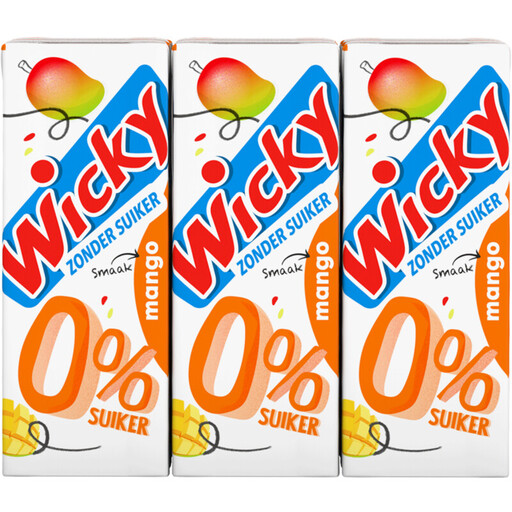
Why this fits the profile: The small packs are practical for school, days out or a lunchbox. According to the product information, the drink contains less than 0.1 grams of sugar per 100 ml.
The product information clearly states the sugar content and the use of sweeteners. The fruit percentage is also listed.
6 x 200 ml, 1 kcal per 100 ml according to the label and added vitamin C.
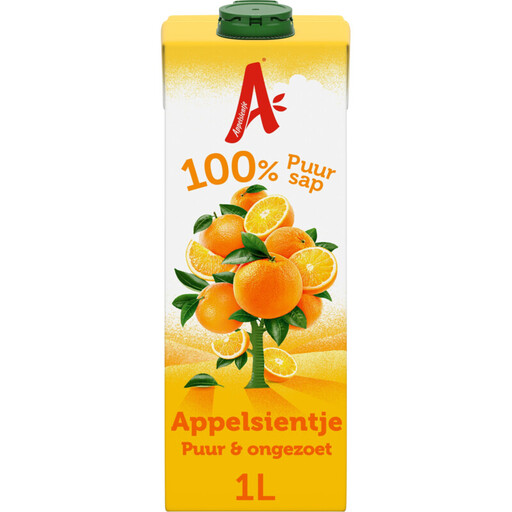
Why this fits the profile: A choice for those who pay attention to juice percentage and a recognisable orange flavour. The product description states 100% pure fruit juice.
The label states no added sugar. The 8.6 grams of sugar per 100 ml present come naturally from the juice.
1 litre packaging, 33 mg of vitamin C per 100 ml and no preservatives according to the product description.
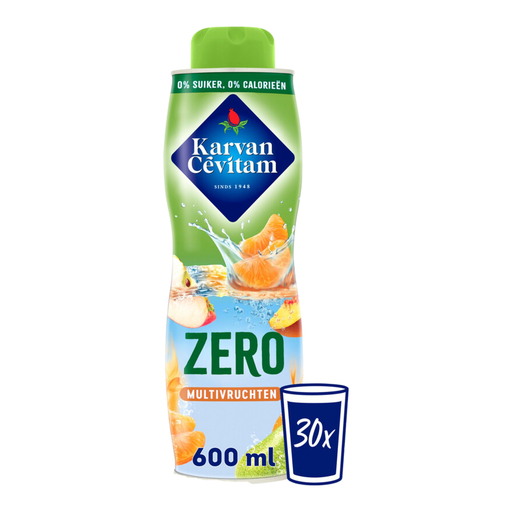
Why this fits the profile: Handy for households that want to control the strength themselves and regularly make squash, sparkling water or mocktails.
The recommended mixing ratio of 1 part syrup to 9 parts water prevents you from misinterpreting the nutritional values of undiluted syrup.
According to the product information, 0% sugar and 0 calories; one bottle makes up to 6 litres of prepared squash.
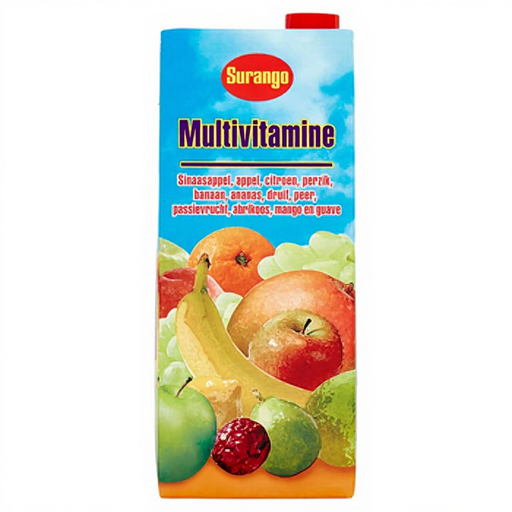
Why this fits the profile: The 1.5 litre bottle is ideal for sharing at breakfast, a birthday or a family meal.
The product description lists the individual fruit concentrates, including orange, apple, lemon, pineapple, passion fruit and mango.
1.5 litre volume and a blend of 11 named fruit concentrates for a versatile fruit flavour.
We have put together a full, up-to-date list of products that fully meet these strict selection criteria and current European safety regulations.
No. “No added sugar” means that no extra sugar has been added. Fruit juice can still contain natural fruit sugars. Check the number of grams of sugar per 100 ml on the nutrition label.
Small packs of 200 to 350 ml are practical for school, sports or a day out. As well as the size, pay attention to the sugar content, any sweeteners and allergens. A drink with milk constituents, such as Taksi Tropical Fruit, requires extra attention if someone has a milk allergy or intolerance.
That depends on the price per litre of prepared drink. Calculate using the recommended mixing ratio, not the volume of the syrup bottle. A 600 ml bottle that is diluted with 5.4 litres of water yields more drink volume, but the final price is also influenced by the purchase price and the strength you prefer.
