
Vandaag of morgen in huis

Kwaliteit gegarandeerd

Welkomstaanbiedingen ontgrendelen: GRATIS bezorging | Tot 80% korting | Gratis 30 dagen JoyPlus-proefperiode
Download de app
When you search online for fruit juice and fruit drink, you’ll quickly come across lots of colourful packaging, tropical flavours and claims about vitamins. Yet a picture of fruit doesn’t always tell you how much fruit is actually in the drink. Terms like “no added sugar”, “with vitamins” and “natural flavour” also call for a closer look at the label.
With this practical buying guide, you can compare apple juice, pear juice, tropical fruit drink, juice with vitamins and children’s drinks on the points that matter for British households.
A drink can taste of mango, lychee or pomegranate, while water and sugar or sweeteners make up a large part of the recipe. So always check the ingredients list and look for the percentage of fruit juice or juice from concentrate.
A fruit drink with 40% fruit has a different composition to one with 8%, even if both promise a similar fruit flavour. With tropical fruit drink, apple is often used as a base, topped up with smaller amounts of pineapple, passion fruit, guava or mango.
Taksi Tropical Fruit without added sugar states 2.4 grams of sugar per 100 ml according to the product information. That’s lower than the regular version, but the drink still contains sugars. In fruit juice, sugars occur naturally from the fruit; in fruit drinks, sugar, fructose syrup or sweeteners may also have been added.
So always compare the nutritional value per 100 ml. Don’t just look at the front of the packaging.
Some products are fortified with vitamin C, D, E or B vitamins. If a brand mentions a function or nutritional benefit, treat that as a statement from the brand based on its own product information, not as a general guarantee. The amount is usually shown in the nutrition table.
Also check whether the drink contains milk ingredients. Taksi, g’woon Zappie and DubbelFrisss Boost, for example, list milk components. This is important if you have a milk allergy, are choosing a lactose-free option, or are looking for a drink without animal ingredients.
The ingredients are listed in descending order of quantity. If water comes first, the product is not pure juice. Also look out for:
A product like g’woon Clear Apple Pear states just 0.02% fruit according to the product information, making it mainly a flavoured drink, not comparable to 100% pomegranate juice.
Use the table per 100 ml to compare products fairly. Some examples from the available product information:
The portion size makes a difference. A 200 ml pouch ultimately contains twice the amount per 100 ml. That’s especially relevant for children’s drinks, school treats and on-the-go drink pouches.
A 1.5 litre bottle is practical for breakfast or a family, but once opened you need to keep it refrigerated and use it within the period stated on the packaging. A multipack with individual portions is more convenient for a picnic, children’s party or sports day, but can work out more expensive per litre.
Look out for:
Always check the current best-before date and the packaging upon delivery.
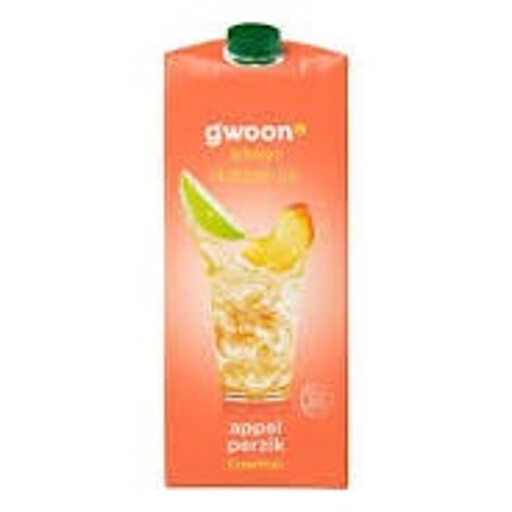
Why this fits the profile: A large bottle with apple and peach flavour for breakfast, guests or everyday home use.
The product information states 18% juice from concentrate, making the difference between fruit drink and pure juice clear.
1.5 litre volume, apple and peach combination and slightly sparkling according to the product description.
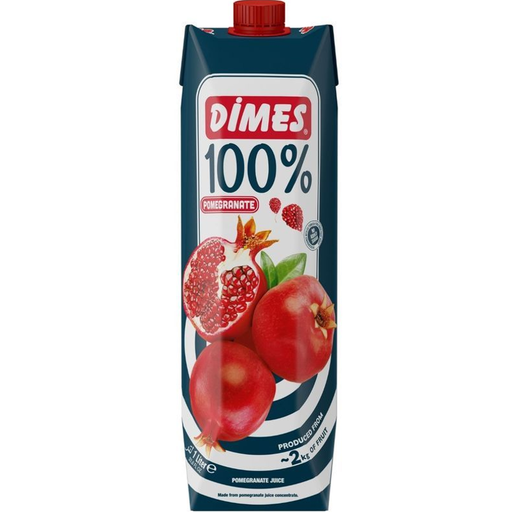
Why this fits the profile: Ideal for anyone specifically looking for 100% pomegranate juice and wants a short ingredients list.
The product information lists water and pomegranate juice concentrate as ingredients, with no mention of added sugar.
1 litre volume and 100% pomegranate juice according to the product name; 53 kcal per 100 ml in the stated nutritional values.
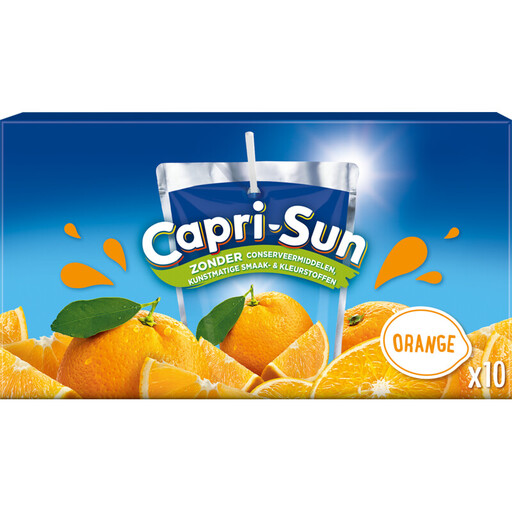
Why this fits the profile: Handy portions for on the go, children’s parties, school trips and picnics.
The packaging makes the portion size clear: 10 pouches of 200 ml. This makes it easier to estimate how much you need in advance.
10 x 200 ml, drink with fruit juice and mineral water according to the product information, with no listed colourings or preservatives.
We’ve put together a full, up-to-date list of products that fully meet these strict selection criteria and comply with current European safety regulations.
Fruit juice usually consists of juice, possibly from concentrate, while fruit drink often contains extra water, sugar, sweeteners, flavourings or other ingredients. Check the fruit percentage and the ingredients list; the name on the front is not enough.
For on the go, small packs like Capri-Sun or Wicky are practical. Do compare the amount of sugar per 100 ml and per pack. For home use, 1.5 litre bottles are better value per portion, but they need to be kept refrigerated after opening.
Store opened fruit juice and fruit drink in the fridge and follow the period on the label. Seal the bottle or pack tightly. The shelf life varies by product, packaging and storage temperature.
