
Vandaag of morgen in huis

Kwaliteit gegarandeerd

Welkomstaanbiedingen ontgrendelen: GRATIS bezorging | Tot 80% korting | Gratis 30 dagen JoyPlus-proefperiode
Download de app
When you buy fruit juice and squash online, it’s easy to come across lots of similar-looking bottles. Apple juice, orange juice, fruit drinks and squash can seem much the same, but they vary considerably in fruit content, sugar, pack size and how they’re used. So an appealing label doesn’t always tell you everything you need to know.
Use these checks to avoid a disappointing purchase and find a drink that suits everyday use, a party or a refreshing break.
A product can contain fruit but still be made mostly from water, sugar, sweeteners or flavourings. Check the percentage of fruit juice or fruit purée in the ingredients list. Juice from concentrate isn’t the same as a fruit drink with a lower fruit content.
For example, according to the product information, g’woon Apple Juice lists only apple juice from concentrate as an ingredient. The label for Van de Boom Apple Drink states that it contains 68% apple and lemon juice from concentrate, with water and natural flavourings. The two products suit different preferences.
Fruit juice can contain no added sugar and still have naturally occurring sugars. For example, G’woon Apple Juice lists around 9.8 grams of sugar per 100 grams. Appelsientje Golden Apple Pure Juice lists around 9.9 grams of sugar per 100 millilitres.
A sugar-free syrup usually uses sweeteners instead of sugar. Always check the nutrition table and the ingredients. According to the product details, Slimpie Raspberry Syrup contains 0 grams of sugar and includes sucralose and acesulfame-K. So “sugar-free” doesn’t mean there are no sweeteners.
With squash, the recommended dilution ratio is what matters most. A 600 or 650 millilitre bottle can make several litres of drink, but only if you follow the ratio on the label. For example, Karvan Cevitam recommends 1 part syrup to 9 parts water. Using too much syrup increases not only how quickly you get through the bottle, but also the amount of sugar or sweeteners in each glass.
First, decide what you need the drink for:
Pay attention to the order of the ingredients. The ingredients listed first are generally present in the largest amounts. Also check whether “orange juice”, “apple juice” or a tropical blend is listed as juice, purée, concentrate or flavouring.
Compare products using the same quantity, usually per 100 millilitres. For squash, also check the nutritional information for the prepared drink, if it’s provided. The figures for undiluted syrup can otherwise give a misleading impression.
Look out for these terms:
Claims such as those about vitamin C should be checked against the product packaging. According to the product information, Karvan Cevitam Grenadine contains 60 mg of vitamin C per 100 grams and 75% fruit juice from concentrate. Treat this information as a product specification, not a medical claim.
Check for milk ingredients when choosing a fruit drink. According to the product information, Taksi Orange and Taksi Dragon Fruit contain milk ingredients. This means they’re not suitable for everyone with a milk allergy or anyone looking for a fully plant-based option.
Many fruit juices and syrups need to be kept in the fridge after opening. Seal the bottle tightly and follow the storage instructions on the packaging. Also check the best-before date when ordering online, especially if you’re buying several bottles at once.
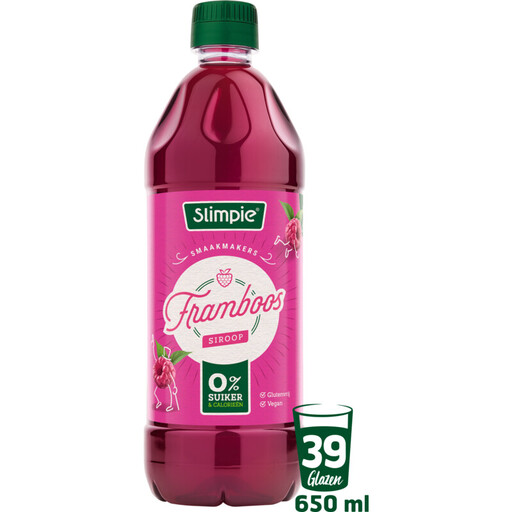
Why it suits this profile: This bottle is made for diluted squash and, according to the product information, makes around 39 glasses when mixed at a ratio of 1+11. That makes it practical for everyday use.
The product information lists 0 grams of sugar per 100 millilitres. When buying, check the current packaging and which sweeteners are used.
0 grams of sugar according to the product details; vegan and gluten-free according to the description; suitable for still or sparkling water.
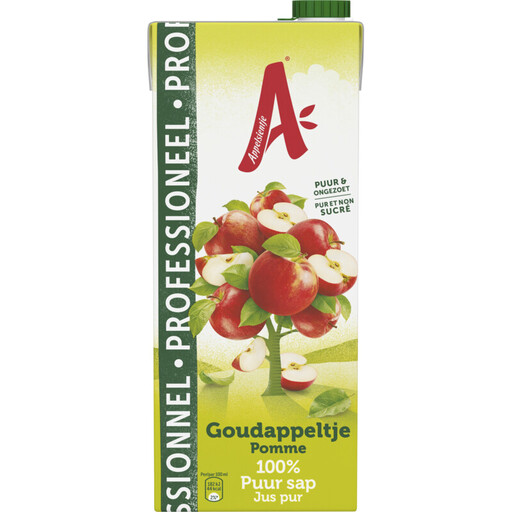
Why it suits this profile: This option is for shoppers looking for pure apple juice with clear product details and a large pack for the family.
The ingredients list states that it contains 100% apple juice from concentrate. According to the product information, no sugar has been added, but the juice does contain naturally occurring fruit sugars.
1.5 litres, 100% fruit according to the description and around 44 kcal per 100 millilitres.
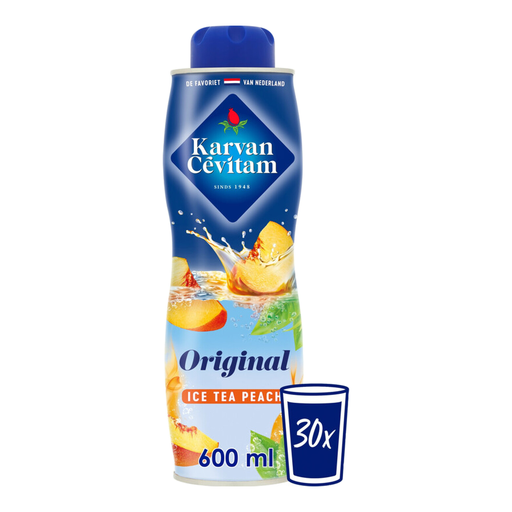
Why it suits this profile: Handy for parties, barbecues and households where you want to make several glasses of iced tea quickly.
The recommended ratio is 1 part syrup to 9 parts water. This helps you keep the flavour and amount used consistent in each jug.
According to the product information, the syrup contains tea extract and peach concentrate, with no colourings or artificial flavourings; one bottle makes up to around 6 litres of drink.
We’ve put together a complete, up-to-date list of products that meet these strict selection criteria and the applicable European safety requirements.
Fruit juice consists mostly or entirely of juice, often from concentrate. A fruit drink usually also contains water and may have a lower fruit content. Always check the ingredients list and stated fruit percentage.
It varies by product. Many squashes need to be kept in the fridge after opening. Follow the instructions on the packaging, close the cap tightly and use the squash within the stated period.
Not necessarily. Sugar-free squash often contains little or no sugar, but it may still contain sweeteners and other additives. Compare the full ingredients list, nutritional information and recommended dilution before you choose.
