
Vandaag of morgen in huis

Kwaliteit gegarandeerd

Welkomstaanbiedingen ontgrendelen: GRATIS bezorging | Tot 80% korting | Gratis 30 dagen JoyPlus-proefperiode
Download de app
A carton of apple juice for breakfast, orange juice for brunch or lemonade syrup for a birthday celebration: fruit juice and lemonade syrup are easy to order online. Yet the difference between juice, fruit drinks and syrup is greater than the packaging may suggest.
As a Joybuy Product Recommendation Officer, I focus primarily on verifiable information on the label: fruit content, sugar levels, volume, dilution ratio and allergen information. This helps you avoid paying for a product that does not suit your household or intended occasion.
A product with no added sugar may still contain natural sugars from fruit. For example, Van De Boom Apple Juice lists 6.7 grams of sugar per 100 ml, while Van De Boom Pear Juice contains 6.5 grams per 100 ml. According to the product information, neither product contains added sugar, but neither is sugar-free.
Pay attention to the difference between:
An image of strawberries, peaches or tropical fruit says little about the actual fruit content. Check the ingredients list. According to the product description, Raak Strawberry Lemonade Syrup contains 15% fruit juice from concentrate, including apple and strawberry juice. Teisseire Tropical Squash lists 15.5% fruit juice from concentrate.
The flavour name can therefore suggest a broader fruit profile than the quantity of the named fruit would indicate. If you are specifically looking for strawberry or peach syrup, it is worth comparing the fruit percentages.
A 600 or 750 ml bottle may appear smaller than a 1-litre carton of juice, but syrup is diluted. Raak states that one bottle makes approximately 6 litres of lemonade. Karvan Cevitam recommends a mixing ratio of 1 part syrup to 9 parts water and indicates a yield of up to 30 glasses per bottle.
Do not compare bottle prices alone. Also calculate the price per litre of prepared lemonade and check whether you prefer the recommended dilution.
First, establish whether you are looking for:
A product with a higher fruit content is not automatically the right choice for everyone. Nutritional value, flavour and intended use remain important.
Compare the values per 100 ml. With syrup, you should also check the nutritional value of the prepared drink, as syrup is generally diluted significantly.
Examples from the product information:
Sugar-free lemonade often contains sweeteners such as sucralose, acesulfame K, steviol glycosides or cyclamate. Check the ingredients if you want to avoid specific sweeteners.
For a family, 1.5 litres may be practical, while a bottle of syrup takes up less storage space and can serve multiple drinking occasions. Once opened, fruit juice and syrup generally need to be refrigerated. Always follow the packaging instructions regarding shelf life after opening.
Also check:
According to the product description, Taksi Dragon Fruit Cordial contains 40% dairy ingredients and is therefore unsuitable for people who avoid milk. The other products mentioned do not list any of the 14 major EU allergens, but always check the current packaging before purchasing.
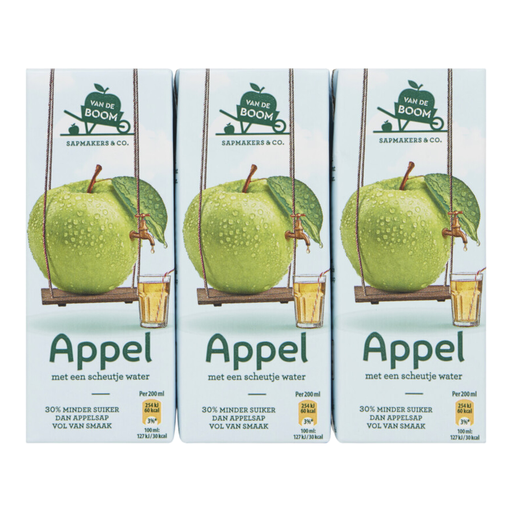
Why it’s a good fit: An approachable apple flavour for breakfast, entertaining and everyday enjoyment.
The product information states 70% fruit drink and 0% added sugar. This makes the difference from 100% apple juice clear.
1.2-litre volume, 29 kcal and 6.7 grams of sugar per 100 ml according to the nutritional values provided.
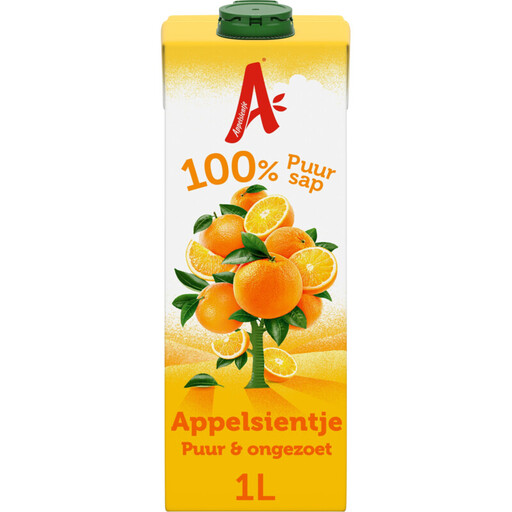
Why it’s a good fit: For those looking for a pronounced orange flavour with no added sugar.
The product is described as 100% pure orange juice. At the same time, the nutritional values show that natural fruit sugars are present.
100% fruit content and 41 kcal per 100 ml according to the product details.
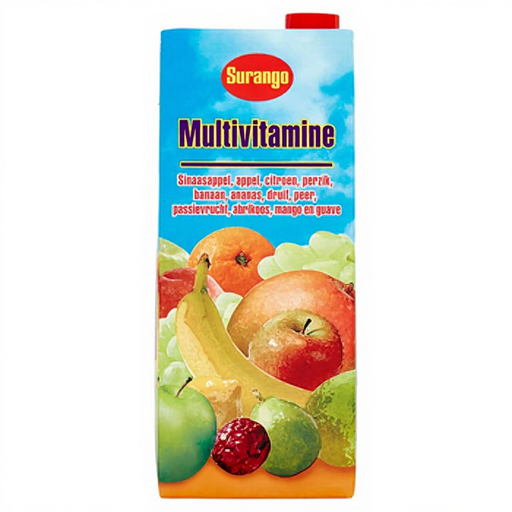
Why it’s a good fit: A generous format with a broad fruit flavour, ideal for families and entertaining.
Compare the ingredients list rather than relying solely on the term vitamin drink. The product information lists water and 11 concentrated fruit varieties.
1.5-litre volume and a blend including apple, orange, pear, mango and passion fruit.
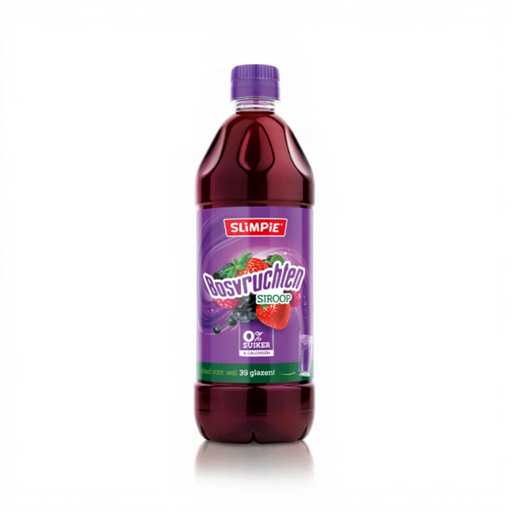
Why it’s a good fit: Convenient for anyone who regularly wants to prepare sugar-free lemonade at home.
The product description lists 0 grams of sugar and 1 kcal per 100 ml. You do not have to interpret “less sugar” for yourself.
6% fruit juice from concentrate, vegan according to the product information and suitable for dilution with water.
Browse a current selection of concentrated fruit drinks and compare volume, flavour, fruit content and nutritional values.
No. Fruit juice with no added sugar may still contain natural fruit sugars. Check the nutritional value per 100 ml. A product with 0 grams of added sugar is not the same as a product with 0 grams of sugar.
Use the mixing ratio stated on the bottle. For several of the products mentioned, this is 1 part syrup to 9 or 11 parts water. You can start with slightly more water and add syrup later. This lets you adjust the flavour without using more concentrate than necessary.
That depends on the serving size and yield. Juice is ready to drink. Syrup requires dilution, but according to the product information, one bottle can produce several litres of drink. Compare the price per litre of prepared drink rather than the price per package alone.
