
Vandaag of morgen in huis

Kwaliteit gegarandeerd

Welkomstaanbiedingen ontgrendelen: GRATIS bezorging | Tot 80% korting | Gratis 30 dagen JoyPlus-proefperiode
Download de app
As a Joybuy Product Recommendation Officer, I see the vast selection in the fruit juice aisle every day. The packaging always looks fresh and vibrant, but the contents can vary dramatically. It's easy to overpay for a product that doesn't meet your expectations. Before you fill your shopping cart, it's wise to know what to look for.
Many people fall for a few common traps. The first is the often-unclear difference between "juice," "nectar," and "fruit drink." You think you're buying pure juice but end up with a beverage high in water and sugar. A second pitfall is hidden sugars. A product might claim "no added sugars" but still be a sugar bomb due to the use of highly sweet fruit concentrates. Finally, there's the marketing term "fresh," which doesn't always mean what you think.
To avoid a bad purchase, it's helpful to check three specifications on the label. This will help you quickly assess the quality of a fruit juice.
The name on the packaging directly tells you how much fruit is actually inside. This is legally defined:
Health-conscious consumers often look for juice with no added sugar. Check the ingredients list for this.
Most juices, like many apple juices and pear juices, are made from concentrate. In this process, water is removed from the juice after pressing for efficient transport and added back later. This is a perfectly fine method, but there is an alternative:
Based on these criteria, we have selected a few products that suit different needs and households.
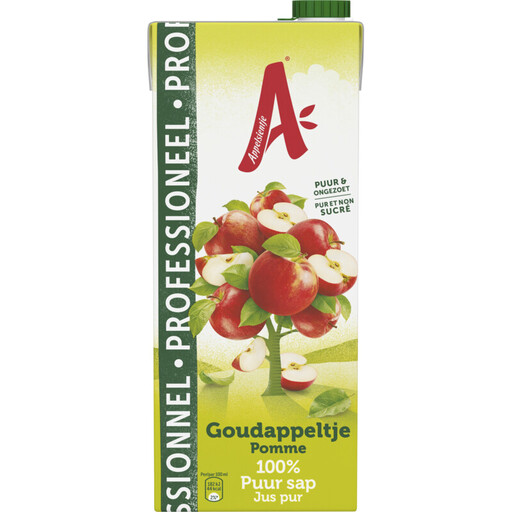
Why This Fits Their Persona: A reliable choice for the whole family. The large 1.5-liter carton is practical for daily use at breakfast or lunch, and the familiar taste of Appelsientje is a hit with both young and old.
This is 100% pure juice, not a nectar or fruit drink. The label clearly states that no sugar has been added; the sweetness comes entirely from the fruit itself.
Bulk packaging for great value. Consistent and recognizable flavor from a well-known brand.
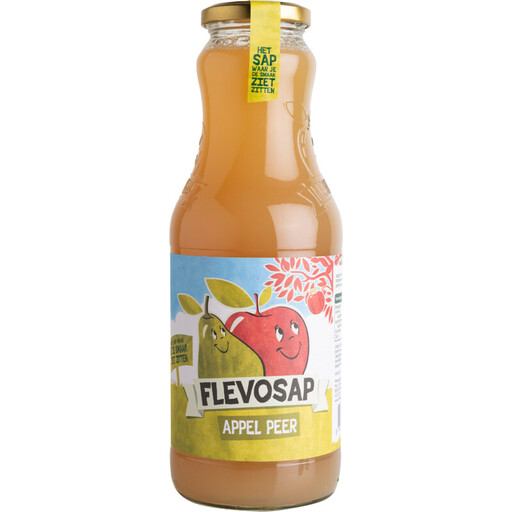
Why This Fits Their Persona: For those seeking an authentic taste and a no-frills product. This juice is artisanally pressed and lightly filtered, preserving the full flavor of the fruit.
This juice is not made from concentrate. It is 100% pure apple and pear juice with no additives. The product description is transparent about its origin and production method.
Artisanal production for a richer, more authentic taste. No preservatives or other additives.
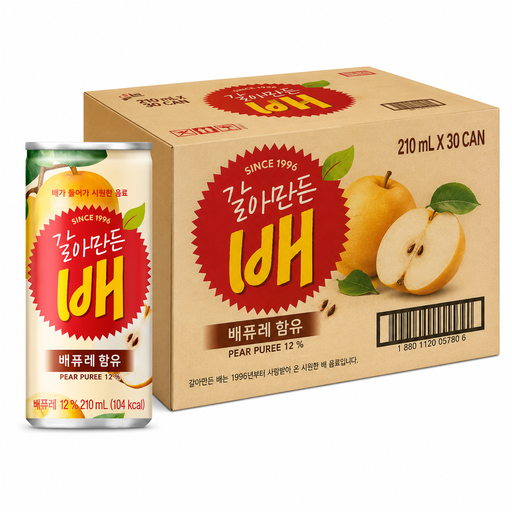
Why This Fits Their Persona: Ideal for those who want something different from standard apple juice. This Korean pear drink offers a unique, sweet flavor. It's a popular choice within the Asian beverages category and perfect for discovering new tastes.
This product is transparent about its composition. It's not 100% juice but a beverage based on pear puree with added sugars for a specific taste experience. The ingredients list is clear.
Unique, sweet taste of Korean pear. Often sold in convenient cans or multi-packs.
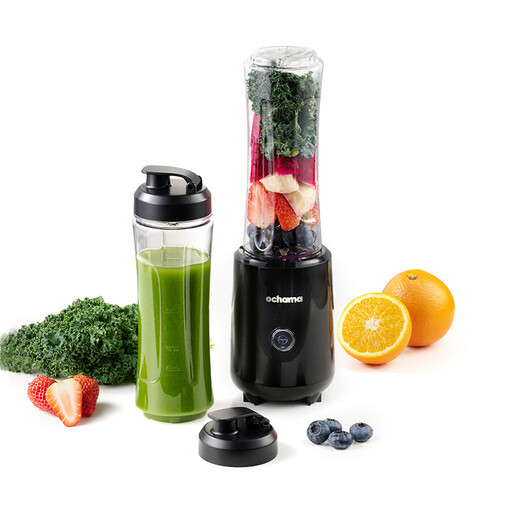
Why This Fits Their Persona: For those who want ultimate control and freshness, wherever they are. With this portable blender, you can make your own smoothies and juices with ingredients of your choice. Ideal for the office, the gym, or while traveling.
You bypass all the traps of pre-packaged juice. You have 100% control over the ingredients, so there are no hidden sugars, preservatives, or unclear juice percentages. You're in charge.
Portable and rechargeable. Powerful enough for frozen fruit and ice. Easy to clean with detachable parts.
Whether you love the classic taste of apple juice or the sweet surprise of pear juice, there's always a choice that's right for you. Explore our full range.
Juice from concentrate is made by removing water from fresh juice and later adding it back. This makes transport and storage more efficient. Not-from-concentrate (NFC) juice is bottled directly after pressing. Although both are 100% pure juice, some people find that NFC juice has a fuller, fresher taste.
Once opened, fruit juice has a limited shelf life. Always store it in the refrigerator with the cap tightly secured. Most juices will stay good for 3 to 5 days. Always consult the information on the packaging for the manufacturer's specific storage advice.
That depends on your lifestyle. An electric citrus press is ideal if you enjoy fresh orange or grapefruit juice daily and want control over its purity. A portable blender is more versatile and perfect for those who want to make smoothies and juices on the go with a mix of fruits, vegetables, and other ingredients. Both devices give you complete control over what you drink.
