
Vandaag of morgen in huis

Kwaliteit gegarandeerd

Welkomstaanbiedingen ontgrendelen: GRATIS bezorging | Tot 80% korting | Gratis 30 dagen JoyPlus-proefperiode
Download de app
A carton of juice seems like a straightforward purchase, but the shelves are filled with options that aren't always what they appear to be. From vibrant packaging that projects a healthy image to claims that create more confusion than clarity. Many families and health-conscious consumers end up with a product that doesn't meet their expectations. Let's review the most common pitfalls so you know what to look for.
Pitfall 1: The "100% Fruit" Illusion Packaging may prominently feature the word "fruit," but this doesn't always mean it's 100% pure juice. Many products are actually a fruit drink, which often consists largely of water and added sugars, with only a small percentage of actual fruit juice.
Pitfall 2: The Confusion Around "Sugar-Free" The term sugar-free can be misleading. It often means the sugar has been replaced with artificial sweeteners. A product with "no added sugars" can still contain a high amount of natural sugars from the fruit itself. It's important to check the label for the total amount of sugar.
To avoid a poor choice, it's best to focus on a few specific details on the label. These provide an objective picture of what you're buying.
The designation on the packaging tells you exactly how much fruit it contains. This is legally defined and a reliable indicator:
On the nutrition facts table, look for the line "Carbohydrates, of which sugars." This number includes both naturally occurring sugars and any added sugars. The ingredients list will reveal if sugar, glucose-fructose syrup, or sweeteners (like sucralose or stevia) have been added.
The choice between a 1.5-litre bulk-pack of juice and individual drink pouches depends on the occasion. Large cartons are often more economical for home use, while individual pouches are convenient for on-the-go or for kids' lunchboxes.
Not everyone is looking for the same thing in a fruit juice. Below are some options tailored to specific needs.
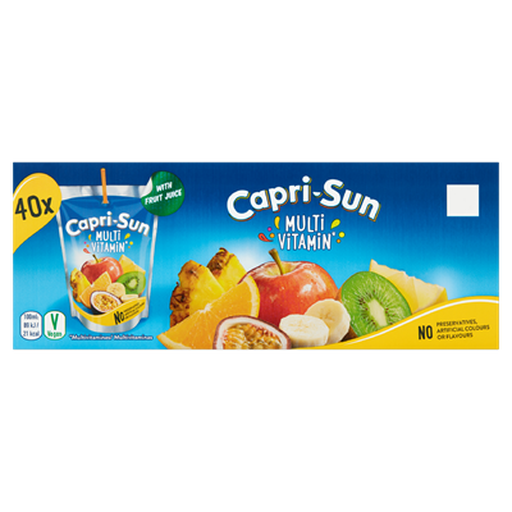
Why This Fits Their Persona: Ideal for families seeking a convenient drink solution for school, sports, and outings. This bulk pack ensures there's always a drink pouch ready to go.
This product is clearly a fruit drink, not 100% juice. The packaging is transparent about its fruit content (10%) and added vitamins, allowing you to make a conscious choice for convenience.
Convenient, individual drink pouches. The bulk pack is practical and economical for regular use.
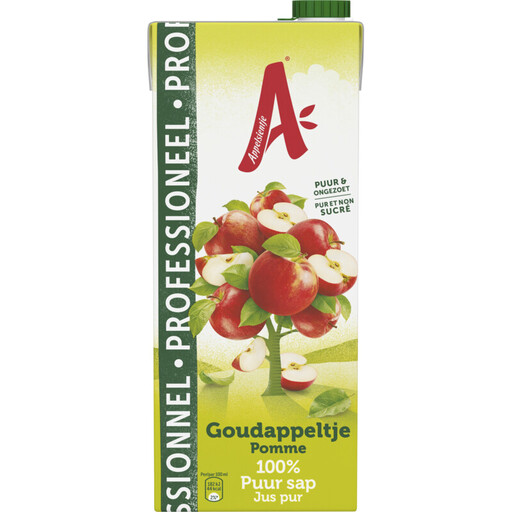
Why This Fits Their Persona: For those looking for a classic and reliable juice for breakfast or as a base for other drinks. The focus is on a pure fruit taste without unnecessary additives.
This product avoids the "100% fruit" pitfall by actually being 100% pure juice. The label clearly states that no sugar is added, only the naturally occurring fruit sugars.
Consists entirely of apple juice from concentrate. According to Appelsientje, the juice is briefly heated for shelf stability, making preservatives unnecessary.
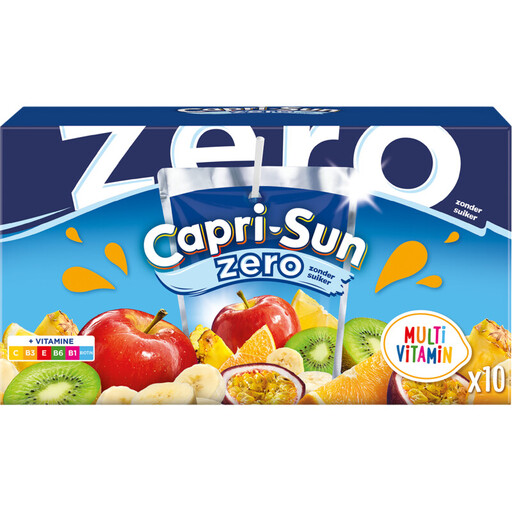
Why This Fits Their Persona: Perfect for those who want the convenience of a drink pouch combined with a sugar-free lifestyle. A practical choice for parents looking to limit their children's sugar intake.
This product tackles the "sugar-free" pitfall head-on. The label is explicit: "Zero Sugar." The ingredients list shows that sweeteners are used instead of sugar, making it a transparent choice.
Offers the familiar taste and convenience of Capri-Sun, but completely sugar-free. It still contains a mix of vitamins.
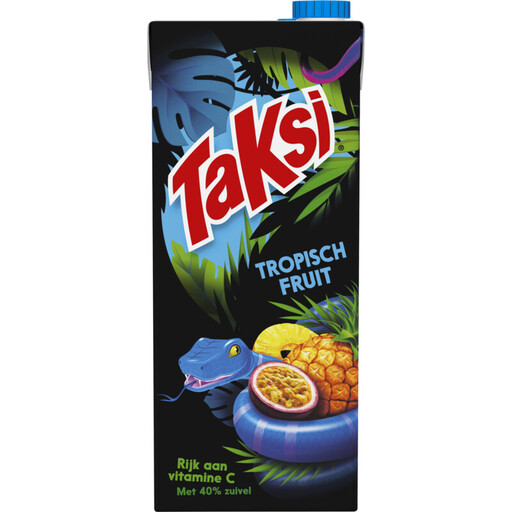
Why This Fits Their Persona: For those who want something different from standard apple or orange juice. The combination of tropical fruit and dairy offers a unique, creamy taste experience.
Taksi is honest about its identity. It doesn't position itself as pure juice but as a unique drink based on fruit and dairy. You know exactly what you're getting: a flavourful treat.
Unique flavour due to the combination of fruit juice and milk permeate. According to the manufacturer, the product is rich in vitamin C and contains no sweeteners.
We have compiled a complete, up-to-date list of products that meet these selection criteria.
Fruit juice must legally consist of 100% fruit. A fruit drink has no minimum fruit percentage and often contains a lot of water and added sugars. Always check the designation on the packaging to know what you're buying.
Most juices have a limited shelf life in the refrigerator after opening, typically 3 to 5 days. This is because oxygen comes into contact with the product, affecting its quality and taste. Always consult the instructions on the packaging for specific shelf life information.
A multivitamin juice can be a supplement, but it's not a substitute for the nutrients found in whole fruit. The amount and type of added vitamins can vary widely. It's wise to check the label to see which vitamins have been added and in what quantities.
