
Vandaag of morgen in huis

Kwaliteit gegarandeerd

Welkomstaanbiedingen ontgrendelen: GRATIS bezorging | Tot 80% korting | Gratis 30 dagen JoyPlus-proefperiode
Download de app
Fruit juice and fruit drinks may seem easy to compare at first glance. However, packaging and marketing copy can give a misleading impression. A tropical image does not automatically mean that the drink contains plenty of tropical fruit. Terms such as “with vitamin C” or “no added sugar” only tell you something when you check the ingredients list and nutritional information.
For families, fans of exotic flavours and households looking for a 1-litre juice or 1.5-litre juice, these three pitfalls are particularly important:
Confusing fruit drinks with 100% juice
A fruit drink may contain water, sugar, sweeteners, milk ingredients and a relatively small proportion of fruit juice. So check the percentage of fruit juice and the order of the ingredients.
Confusing “no added sugar” with sugar-free
A drink with no added sugar may still contain naturally occurring sugars from fruit. Always check the nutritional information under “of which sugars”.
Treating vitamins or a tropical name as proof of quality
A product containing vitamin C may be worth considering if that is specifically what you are looking for, but the amount per 100 ml remains the most important comparison point. According to information provided by some brands, taste, colour or origin may also be highlighted. That does not automatically make a product right for your needs.
In practice, fruit juice, nectar and fruit drinks can differ considerably. With 100% fruit juice, the drink consists of juice, possibly from concentrate, without water or sugar being the main ingredients. In fruit drinks, the proportion of fruit may be lower.
For example, the composition of g'woon Zappie Tropical Juice states that it contains 8% fruit juice from concentrate, with apple, pineapple and passion fruit. The drink also contains water, milk ingredients, sugar, sucralose and vitamin C, among other ingredients. So this is not the same as pure tropical fruit juice.
According to the product information, DubbelDrank Mango Guanabana Juice also contains at least 40% fruit and added vitamins C and D. This makes it a fruit drink with a distinctive tropical flavour, not the same as a bottle of 100% mango juice.
Use the nutritional information per 100 ml. This lets you compare a 1-litre juice fairly with a 1.5-litre juice or a multipack. Pay attention to:
Taksi Tropical Fruit Juice with no added sugar states that it contains 2.4 grams of sugar per 100 ml and 11 kcal. The regular version of the same drink lists 7.9 grams of sugar and 34 kcal per 100 ml. So here, “no added sugar” does not mean that the drink contains no sugar.
Milk ingredients are found in several fruit drinks. g'woon Zappie Tropical, Taksi Tropical and DubbelFrisss Boost list milk as an allergen. This is important for families in which someone needs to avoid milk.
Other products, such as Sagiko Mango Juice and DubbelDrank Orange Peach, state in the product information that they contain none of the 14 main EU allergens. Check the current packaging with every order, as labels may change.
Many fruit juices and fruit drinks need to be refrigerated after opening and used within the period stated on the packaging. A large pack is convenient for everyday use, but less practical if you only drink juice occasionally. For taking drinks on the go, a multipack with smaller portions may be more suitable.
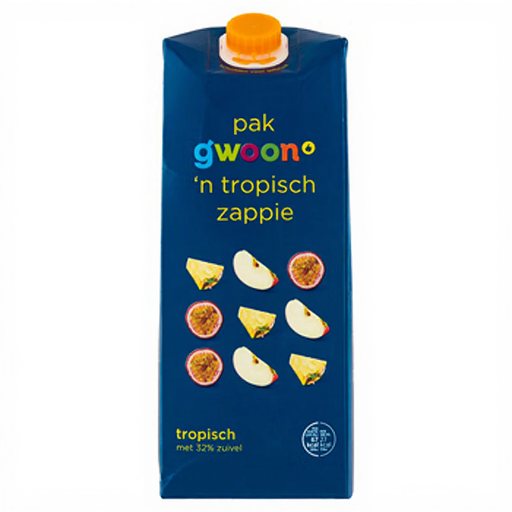
Why it suits this profile: A 1-litre pack is a manageable choice for a first purchase or a smaller household wanting to try a tropical flavour.
The product information clearly shows the 8% fruit juice content and the presence of sugar and sweetener. This allows you to compare the tropical positioning with the actual composition.
1-litre contents; apple, pineapple and passion fruit concentrate; vitamin C listed in the ingredients.
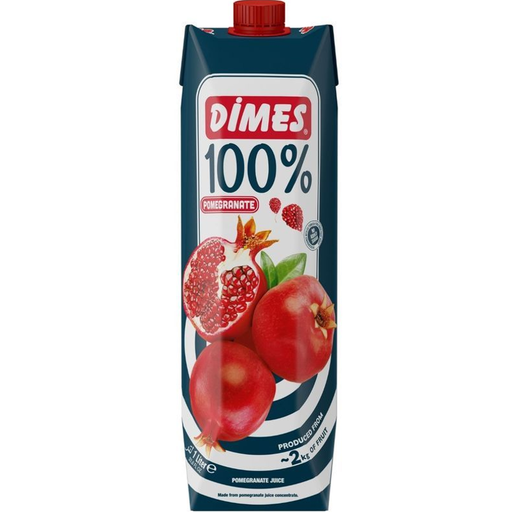
Why it suits this profile: Ideal for anyone specifically looking for a distinctive pomegranate flavour and a short ingredients list.
The ingredients list names water and pomegranate juice concentrate. If you are specifically expecting 100% fruit juice, always check the label when your order arrives.
1-litre contents; pomegranate juice concentrate listed as the main ingredient; 53 kcal and 10.1 grams of sugar per 100 ml according to the product information.
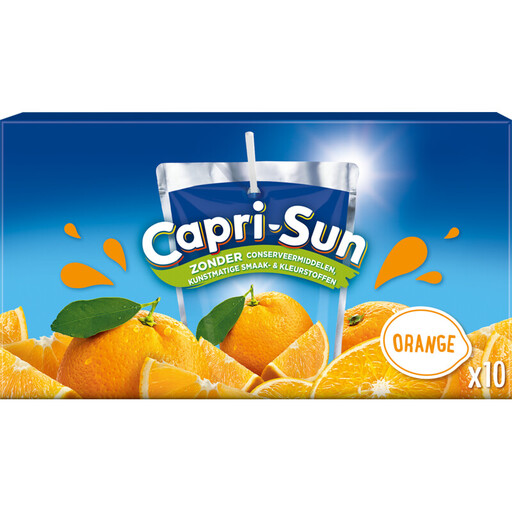
Why it suits this profile: Handy for days out, children’s parties and occasions when individual portions are more convenient than a large bottle.
The pack contains 10 portions of 200 ml. This means you do not need to keep a large opened pack for several days after an outing.
10 x 0.2 litres; 10% concentrated fruit juice; 19 kcal and 4.4 grams of sugar per 100 ml according to the stated nutritional information.
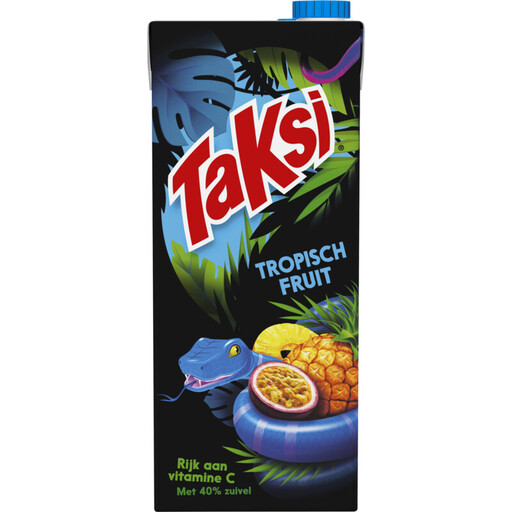
Why it suits this profile: A large pack is ideal for breakfast, entertaining or regular use in a multi-person household.
The product information states that it contains 6% fruit juice from concentrate, 40% milk permeate and no sweeteners. This makes it clear that it is a dairy drink with a fruit flavour, not pure juice.
1.5 litres; vitamins C and D listed; 34 kcal per 100 ml; milk listed as an allergen.
We have put together a complete, up-to-date list of products that fully meet these strict selection criteria and the applicable European safety regulations.
Fruit juice generally contains a much higher proportion of juice, while fruit drinks may also contain water, sugar, sweeteners, milk ingredients or flavourings. Check the fruit percentage and the full ingredients list on the label.
No. Fruit naturally contains sugars. A fruit drink with no added sugar may therefore still list sugar in the nutritional information. Always compare the amount per 100 ml and consider the serving size.
This varies by product. Many packs need to be refrigerated after opening and used within a few days. Follow the storage instructions on the packaging and seal the pack or bottle securely after each use.
