
Vandaag of morgen in huis

Kwaliteit gegarandeerd

Welkomstaanbiedingen ontgrendelen: GRATIS bezorging | Tot 80% korting | Gratis 30 dagen JoyPlus-proefperiode
Download de app
When you buy fruit juice and cordial syrup online, you’ll quickly come across terms like “100% pure”, “no added sugar” and “natural”. These words sound straightforward, but they don’t always tell the full story. For example, a juice may contain no extra added sugar, yet still have naturally occurring fruit sugars. And a low-calorie syrup might contain sweeteners, preservatives and only a small percentage of fruit.
With these practical selection points, you can compare apple juice, orange juice, pear juice, fruit drink and cordial syrup based on verifiable information on the label.
With 100% pure juice, the sugar comes from the fruit itself. According to the product information, Appelsientje Orange Juice, for example, contains 8.6 grams of sugars per 100 ml, even though no sugar has been added. That does not make the product sugar-free.
A fruit drink can also be labelled “no added sugar”, yet still contain natural sugars. Always check the nutritional information under “of which sugars” and pay attention to the serving size.
A juice, fruit drink and syrup are not the same thing:
For example, Van De Boom Apple Drink is made from water and fruit juice from concentrate and, according to the product information, contains 70% fruit juice. That is a different choice from an apple juice with 100% fruit content.
A syrup labelled “forest fruits”, “orange-raspberry” or “peach iced tea” may be based mainly on flavourings. According to its label, Slimpie Forest Fruit Syrup contains 6% fruit juice from concentrate. That may be perfectly fine if you are looking for a light fruit flavour, but it is not comparable to fruit juice or 100% pure juice.
Ingredients are listed in descending order by quantity. If water is at the top, the product is largely a water-based drink. Also look out for:
This is especially important for vegans. According to the product information, Taksi Dragon Fruit contains 40% milk components and is therefore not suitable for anyone avoiding milk. Appelsientje Fruit Drink Orange also contains milk components.
Always compare products on the same basis. A syrup may appear low in calories, but it is still diluted. So check the recommended mixing ratio and the values for the finished drink, where available.
Some examples per 100 ml or 100 grams according to the product information provided:
A syrup with no added sugar is therefore not automatically the same as a sugar-free syrup. Read the label to see whether sweeteners have been used and how much fruit it contains.
For families, a bottle of syrup can be good value if it yields several litres of drink. Karvan Cevitam Blackcurrant and Karvan Cevitam Ice Tea Peach, for example, state a mixing ratio of 1 part syrup to 9 parts water and approximately 30 glasses per bottle.
Also pay attention to storage:
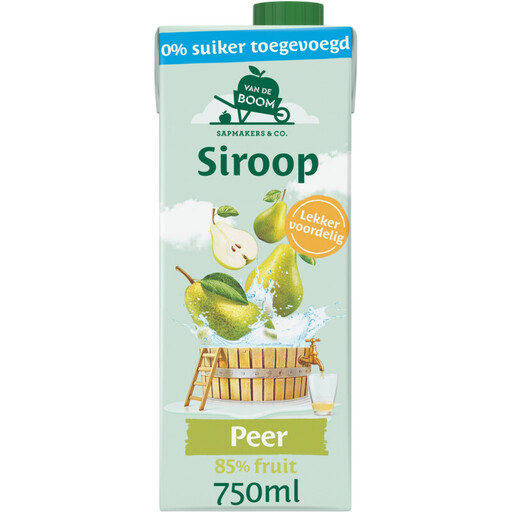
Why this suits the profile: This fruit syrup is ideal for households that want to make several glasses of cordial from one bottle and control the strength themselves.
The label states 85% fruit juice from concentrate and 0% added sugars. However, the syrup does contain sweeteners; check this if you want to avoid them.
750 ml volume, intended for approximately 30 glasses and 40 kcal per 100 grams according to the product information.
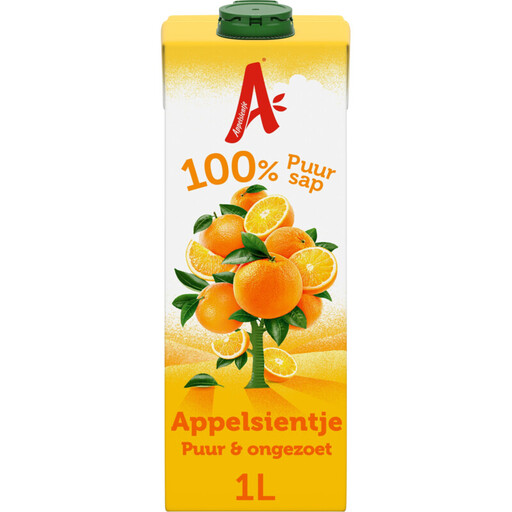
Why this suits the profile: A great choice for anyone looking for 100% pure orange juice with no added sugar or artificial preservatives, according to the product description.
The ingredients list shows orange juice from concentrate and 100% fruit content. The natural fruit sugars are still present.
100% fruit content, 41 kcal per 100 ml and 8.6 grams of sugars per 100 ml according to the nutritional information.
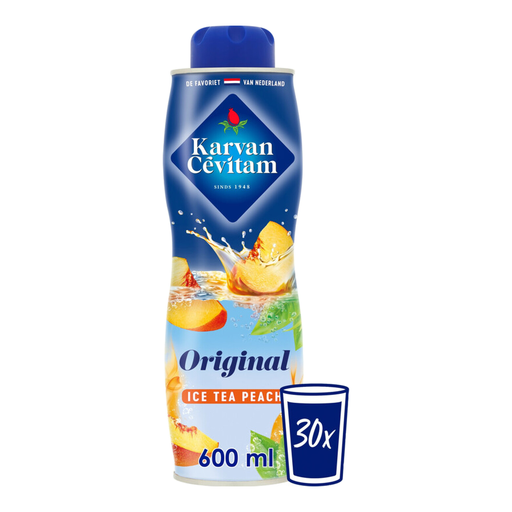
Why this suits the profile: Handy for families, parties or daily use when you want to prepare several litres of iced tea syrup quickly.
The mixing ratio of 1:9 is clearly stated. However, the syrup does contain sugar: 56 grams of sugars per 100 grams according to the label.
600 ml volume, contains tea extract, yields up to approximately 6 litres of drink per bottle and suitable for mixing with sparkling water.
We have put together a full, up-to-date list of products that fully meet these strict selection criteria and comply with current European safety regulations.
No. 100% pure juice contains no added sugar, but it does contain sugars that occur naturally in fruit. Check the nutritional information per 100 ml if you want to compare sugar and calories.
That depends on the bottle price, mixing ratio and the final volume of drink. Work out how many litres you get from one bottle. A syrup that yields 6 litres can be good value per glass, but also pay attention to sugar, sweeteners and fruit percentage.
Store opened juice and syrup in the fridge, seal the packaging tightly and follow the period stated on the label. Check the shelf-life information before use and do not use a pack if the seal was already broken when you bought it.
