
Vandaag of morgen in huis

Kwaliteit gegarandeerd

Welkomstaanbiedingen ontgrendelen: GRATIS bezorging | Tot 80% korting | Gratis 30 dagen JoyPlus-proefperiode
Download de app
Buying fruit juice seems simple, until you look at the shelf or an online range. Orange juice, multivitamin drink, tropical fruit juice and fruit drink look similar, but differ greatly in fruit content, sugar level, vitamins and packaging format. If you only look at the front of the packaging, you could end up paying more for a drink that doesn't suit how you'll use it.
When comparing, watch out for these common pitfalls:
The name gives you a first clue, but the ingredients list gives you the full picture.
100% fruit juice contains, according to the product information, only juice, often from concentrate. Appelsientje Orange Juice, for example, states 100% orange juice and no added sugar. Per 100 ml it lists 8.6 grams of sugar; this is the naturally occurring fruit sugar.
A fruit drink usually contains water, fruit juice or purée, sugar or sweeteners, and sometimes added vitamins. DubbelDrank Pineapple Guava Apple states at least 40% fruit and added vitamins C and D. DubbelDrank Apricot Orange states a fruit content of at least 46%.
A multivitamin drink can be a combination of fruit juice, water and vitamins. G’woon Multivitamin Exotic Fruit states 59% fruit juice from concentrate and purée, while Capri-Sun Multivitamin states a fruit content of 10%. These products are therefore not directly comparable to pure orange juice.
If you're looking for a juice with no added sugar, you need to check two things on the label side by side:
Appelsientje Orange Juice and Appelsientje Black Currant Juice state no added sugar, but do contain naturally occurring sugars. Sourcy Vitamin Water Mango Guava states 0 grams of sugar per 100 ml, but contains sweeteners. That makes it suitable for a different preference than pure fruit juice.
A sugar-free vitamin drink is therefore not automatically a fruit juice. Also look at caffeine, preservatives, sweeteners and other additives if you plan to use the drink daily.
For home use or a gathering, a 1.5-litre fruit juice can be practical. Wicky Fruit Juice, Roosvicee Multivit Peach and Surango Multivitamin Juice are available in a 1.5-litre pack. Once opened, these products should be kept refrigerated according to the product information and used within the stated period.
For on the go, smaller packs are handier. Capri-Sun Multivitamin consists of 10 portions of 200 ml and is, according to the product information, vegan and lactose-free. A fruit juice multipack with cans or small cartons takes up less space per serving, but can work out more expensive per litre. So compare the price per litre, not just the price of the pack.
For a classic flavour, orange juice suits breakfast and brunch. If you're after a fresher or tarter taste, consider berry juice or blackcurrant juice. Appelsientje Black Currant Juice combines apple, white grape and blackcurrant and states 100% fruit content.
Fans of tropical flavours can choose pineapple juice, guava juice or a tropical fruit juice with several fruit types. VITA Guava Juice contains, according to the product information, 5% guava purée. Iam Superjuice Mangosteen states 30% mangosteen juice, no added sugar and a vegan composition. The exact flavour intensity depends on the ratio of juice, purée, water and any flavourings.
When choosing a vegan fruit drink, don't just rely on the name. Check the "vegan" label on the product page and the ingredients list. Capri-Sun Multivitamin and Iam Superjuice Mangosteen are described as vegan. For other products, this information isn't always available.
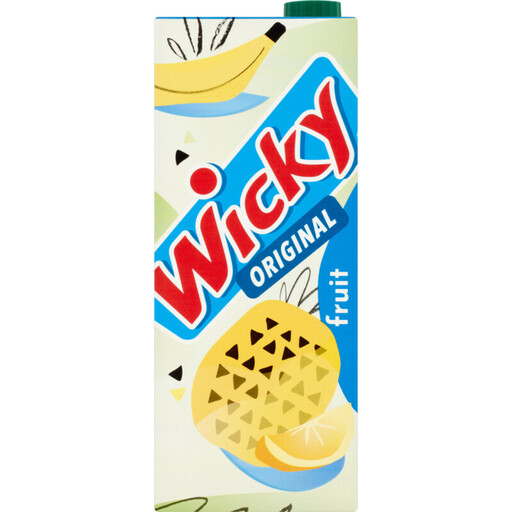
Why this fits the profile: The 1.5-litre pack is suitable for home use and several glasses a day. The product information states a mix of fruit and purée with 10% fruit content, plus vitamins A and C.
The fruit content and sugar level are clearly stated, so you won't confuse this drink with 100% fruit juice.
1.5-litre volume; 24 kcal and 5.7 grams of sugar per 100 ml according to the product information; free from artificial sweeteners, colourings and flavourings as per the description.
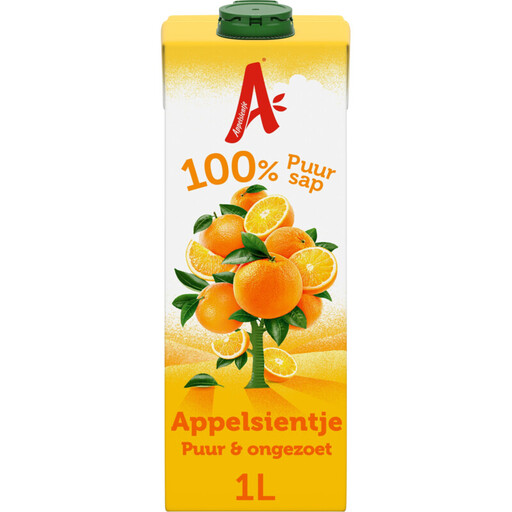
Why this fits the profile: If you're focused on composition, you get a straightforward product with 100% orange juice from concentrate and no added sugar according to the product information.
The "no added sugar" claim is backed up with concrete nutritional values: 41 kcal and 8.6 grams of sugar per 100 ml.
100% fruit content; vitamin C, folic acid and potassium listed per 100 ml; 1-litre pack.
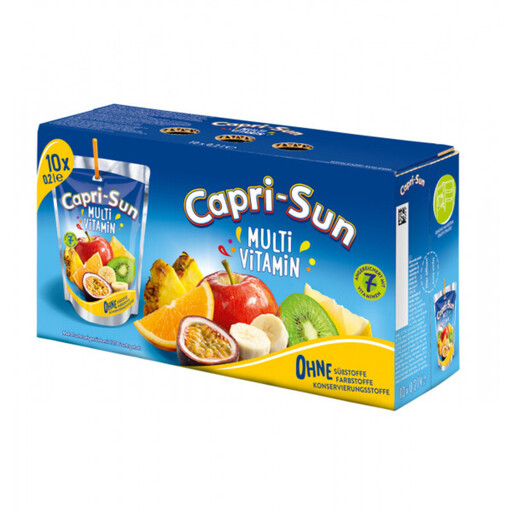
Why this fits the profile: The individual portions are easy to take to school, the office, a day out or a gathering. The product information states vegan, vegetarian and lactose-free.
You're not buying a large bottle that needs refrigerating after opening, but 10 individual portions. The fruit content of 10% is clearly stated.
10 × 200 ml; 30 kcal and 7.1 grams of sugar per 100 ml; according to the product information, free from artificial sweeteners, preservatives and colourings.
We've put together a full, up-to-date list of products that fully meet these strict selection criteria and comply with current European safety regulations.
No. With 100% fruit juice, the sugars come naturally from the fruit. "No added sugar" means that, according to the ingredients list, no extra sugar has been added. Always check the nutritional information per 100 ml.
This varies by product. Generally, store opened bottles in the fridge and follow the instructions on the packaging. Also pay attention to the maximum fridge temperature and the recommended period after opening. Small portion packs don't need to be resealed after opening.
No. A multivitamin drink can contain water, fruit juice, sugar or sweeteners, and added vitamins. So compare the fruit content, ingredients and nutritional values before making your choice.
