
Vandaag of morgen in huis

Kwaliteit gegarandeerd

Welkomstaanbiedingen ontgrendelen: GRATIS bezorging | Tot 80% korting | Gratis 30 dagen JoyPlus-proefperiode
Download de app
A glass of fruit juice with breakfast or as a snack is a common sight in many households. But when you want to stock up your pantry online, the selection can be overwhelming. The packaging always looks fruity and inviting, but the contents can vary dramatically. How do you know what you're really getting? As a Product Recommendation Officer at Joybuy, I'll help you make the right choices without falling for marketing ploys.
Before you start ordering juice, it's good to know a few common pitfalls:
You don't need to be a label expert to make a good choice. Pay attention to the following three points, and you'll know exactly what you're buying.
The name on the carton is legally defined and tells you exactly how much fruit is inside.
Always check the ingredients list and the nutritional information table.
Based on these criteria, we have selected a number of popular choices from our range to suit different preferences.
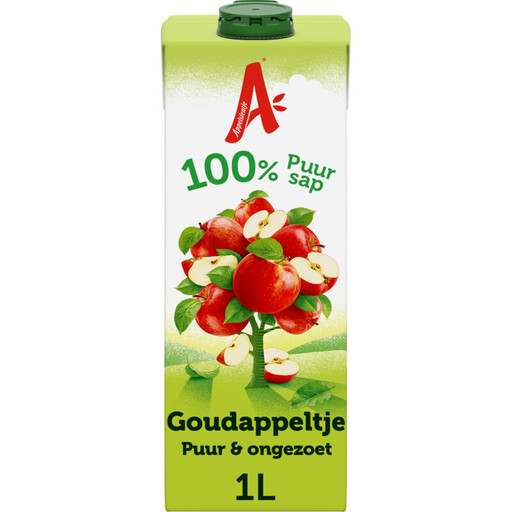
Why This Fits Their Persona: A trusted choice for the whole family. The classic taste of apple juice from an A-brand known for its consistent quality. Ideal for breakfast or to pack for school.
This is pure juice with 100% fruit content, not a fruit drink. It contains no added sugars, only the sugars naturally present in the apples.
Made from 100% juice from concentrate. According to Appelsientje, apples from high-stem trees are used for an extra crisp taste.
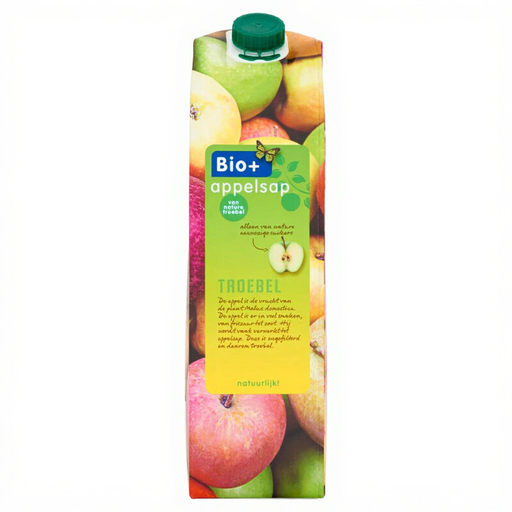
Why This Fits Their Persona: For those who value purity and origin. This organic certified juice fits perfectly into a conscious lifestyle, without unnecessary additives.
The ingredients list is as short as it gets: apple juice. No added sugars, no water, no marketing terms. Just pure organic juice.
Organically certified and contains 0 grams of salt. A clear and pure choice for apple juice lovers.
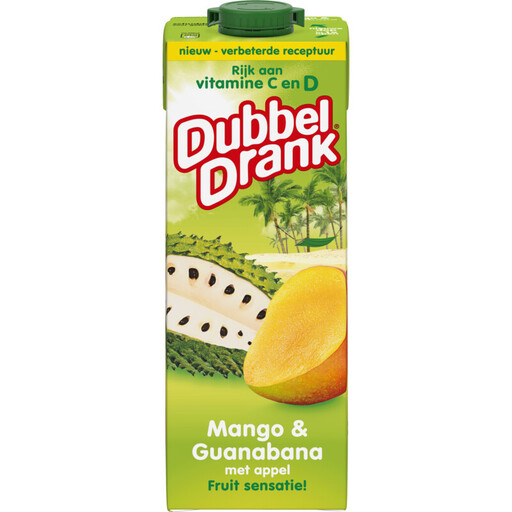
Why This Fits Their Persona: For those who want something different from standard orange juice or apple juice. This tropical juice combination of mango and guanabana offers a surprising and exotic taste experience.
This product is honest about what it is: a fruit drink with a fruit content of at least 40%. It doesn't pretend to be pure juice but focuses on the unique flavour combination.
The combination of sweet mango and fresh-tropical guanabana is unique. According to the manufacturer, the product is rich in vitamins C and D.
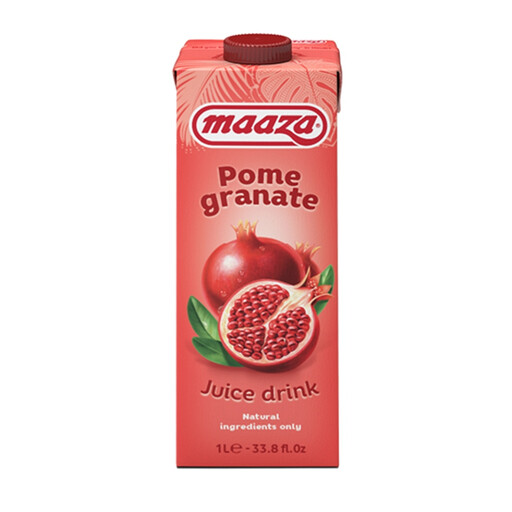
Why This Fits Their Persona: Ideal for those who want the taste of a refreshing drink without the sugars or calories. This drink offers a refreshing flavour without the sugar spike of traditional juices.
This product completely bypasses the sugar trap. The nutritional table is clear: 0 grams of sugar. It's a water-based drink with flavourings and sweeteners, and is transparent about it.
According to the manufacturer, this product contains less than 1 kcal per 100 ml. It is a sugar-free alternative with the taste of pomegranate.
We have compiled a complete, up-to-date list of products that meet these selection criteria and Dutch regulations.
Fruit juice must consist of 100% fruit (directly pressed or from concentrate). Water, sugar, and other substances may be added to a fruit drink, and it contains a lower percentage of fruit. Always check the name on the carton.
Most manufacturers recommend storing an opened carton of juice in the refrigerator and consuming it within 3 to 5 days. The exact shelf life is always stated on the packaging. Make sure to close the cap tightly after each use.
No, there is no significant difference in quality. With juice from concentrate, the water is removed from the juice after pressing and later added back. This process is standardised, and the nutritional value, such as vitamins, remains largely the same as that of juice not from concentrate. It is primarily a logistical choice by the manufacturer.
