
Vandaag of morgen in huis

Kwaliteit gegarandeerd

Welkomstaanbiedingen ontgrendelen: GRATIS bezorging | Tot 80% korting | Gratis 30 dagen JoyPlus-proefperiode
Download de app
Buying fruit juice and fruit drinks online might seem straightforward, until you start comparing labels side by side. A colourful pack can give a fruity impression, even when the product contains only a small amount of fruit juice. Terms like “no added sugar” and “with vitamins” also deserve a closer look.
With this practical guide, you can compare fruit drinks, fruit juice, tropical fruit drinks and fruit syrup based on verifiable facts. That way, you can make a confident choice for home, on the go, for the family or for a social occasion.
A juice with no added sugar can still contain naturally occurring fruit sugars. For example, Appelsientje Golden Apple Pure Juice lists 9.9 grams of sugar per 100 ml, despite having no added sugar. That is quite different from a sugar-free fruit drink.
Always check:
A mango drink or passion fruit juice can have a strong fruit flavour, but that doesn’t automatically tell you how much juice is actually inside. According to the product information, Wicky Mango Fruit Drink contains 0.2% mango from concentrate. FOCO Passion Fruit Juice states a minimum of 25% passion fruit juice.
The percentage of fruit juice is usually listed in the ingredients or product description. Look there first, and only then at the front of the pack.
A multivitamin drink or vitamin C drink may contain added vitamins, but that doesn’t automatically make it a pure juice. Taksi Tropical Fruit Drink, for example, contains milk ingredients, fruit juice from concentrate, sweetener and added vitamin C.
Use the vitamin information as just one point of comparison. Also consider flavour, fruit percentage, sugar content, allergens and size.
These product types are not the same:
A 1-litre bottle of fruit juice is ready to drink. With a bottle of fruit syrup, you can make several litres, but you need to dilute it yourself and check the nutritional values after dilution.
Always compare products on the same basis. A 1.5-litre bottle may seem good value, but if you drink it daily, it also contains more total sugar and calories than a small portion.
Examples from the product information:
Pay attention to the difference between no added sugar and no sugar. A product can contain natural sugars from fruit. Sugar-free varieties more often contain sweeteners, so check the ingredients list and choose based on your own taste preference.
The size partly determines whether a product is practical:
Once opened, many fruit drinks need to be kept refrigerated and used within the time stated on the pack. For products containing milk, such as Taksi, refrigeration is especially important. Also always check for allergens: Taksi contains milk, while several of the other products mentioned do not list any of the fourteen main EU allergens.
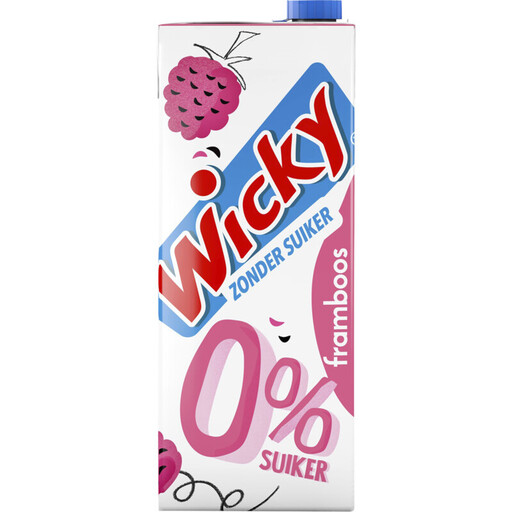
Why this fits the profile: The large bottle is suitable for several drinking occasions at home, and the product information states 1 kcal and less than 0.1 grams of sugar per 100 ml.
The nutritional values make it clear that this variant is not the same as pure fruit juice. This helps you avoid relying solely on the raspberry image.
1.5 litre content, 1 kcal per 100 ml, less than 0.1 grams of sugar and added vitamin E according to the label.
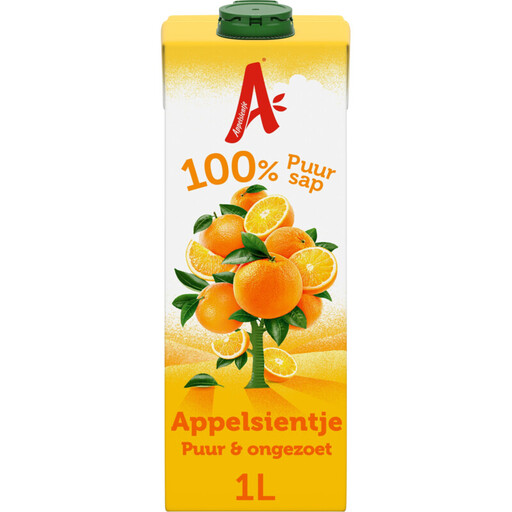
Why this fits the profile: If you want a clear ingredients list and a recognisable juice type, this offers 100% orange juice from concentrate in a size for home.
The label states 100% fruit content and no added sugar. The natural fruit sugars are still present.
1 litre, 41 kcal per 100 ml, 8.6 grams of sugar per 100 ml and 33 mg of vitamin C per 100 ml according to the product information.
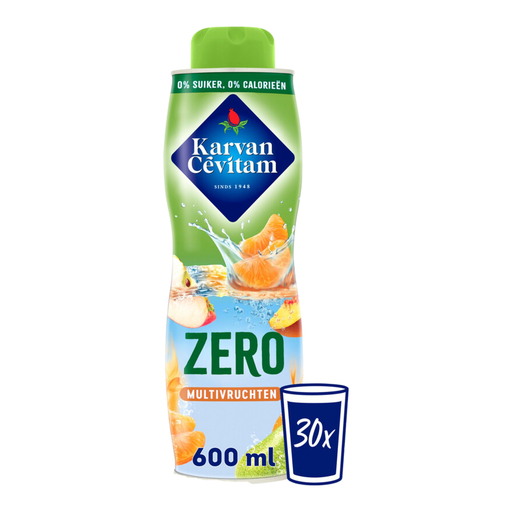
Why this fits the profile: For families, guests or the store cupboard, syrup is practical: according to the product information, one bottle is enough for up to 6 litres of diluted drink.
The recommended mixing ratio is stated. This allows you to control the drink strength and consumption yourself.
Multifruit flavour, 30 servings according to the product information and 60 mg of vitamin C per 100 grams of syrup.
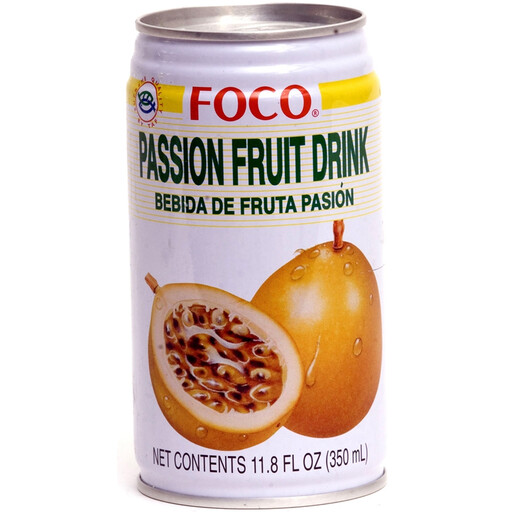
Why this fits the profile: The compact size is ideal for lunch, a workday or a moment when you want a distinctive passion fruit flavour without opening a large bottle.
The product information states a minimum of 25% passion fruit juice. This makes the content verifiable, rather than relying solely on the packaging.
350 ml content, 43 kcal per 100 ml and 20 mg of vitamin C per 100 ml according to the product information.
We have put together a full, up-to-date list of products that fully meet these strict selection criteria and comply with current European safety regulations.
No. With 100% apple juice or orange juice, sugars occur naturally in the fruit. So look at the “of which sugars” line per 100 ml. A product with sweeteners may be low in sugar, but that doesn’t make it the same as pure fruit juice.
It varies by product. Generally, store opened bottles in the fridge and follow the time stated on the pack. Seal the bottle tightly and do not use a product if the seal is damaged when you receive it. For drinks containing milk, such as Taksi, refrigeration is essential according to the product information.
That depends on the price, mixing ratio and how much you pour. A 600 ml syrup can yield up to 6 litres of drink according to the product information, but you need to assess the nutritional values after dilution. So compare the cost per litre of prepared drink, not just the price of the bottle.
