
Vandaag of morgen in huis

Kwaliteit gegarandeerd

Welkomstaanbiedingen ontgrendelen: GRATIS bezorging | Tot 80% korting | Gratis 30 dagen JoyPlus-proefperiode
Download de app
Buying fruit juice and fruit drinks online might seem straightforward, but product names don’t always match what’s actually inside the packaging. A tropical fruit drink, for example, may contain only a small percentage of fruit juice, while a product labelled “100% juice” could still be made from concentrate. Likewise, a prominent claim like “no added sugar” doesn’t automatically mean a drink is sugar-free.
With these practical checks, you can compare apple juice, mango drink, passion fruit drink, cherry juice and other varieties based on verifiable information.
The name alone doesn’t always tell you enough. Always check the ingredients list and the percentage of fruit juice or fruit purée. A drink may contain water, sugar, sweeteners, milk solids and flavourings, alongside a smaller proportion of fruit.
For example, Appelsientje 100% Pure Golden Apple Juice lists concentrated apple juice and vitamin C as ingredients. According to the product information, this drink contains 100% fruit and no added sugar. That’s quite different from a fruit drink where water and sweeteners make up a larger share.
“No added sugar” means that, according to the product information, no extra sugar has been added to the recipe. Fruit naturally contains sugars. So always look at the table for carbohydrates and sugars per 100 ml.
The Iam Superjuice variants with mango, passion fruit and pink guava are described as drinks with no added sugar. According to the product descriptions, they contain steviol glycosides and around 16 to 17 kcal per 100 ml. Always compare this with the actual label, as ingredients and nutritional values can change.
A 1-litre fruit drink or a 1.5-litre carton is practical for breakfast and meals, but once opened, the packaging usually needs to be kept refrigerated. For school, a day out or a picnic, portion packs are far more convenient.
A Capri-Sun multipack contains 200 ml pouches. That cuts down on waste when everyone takes their own serving. 330 ml cans, on the other hand, are ideal for a chilled stock at home or with a meal.
Pay attention to the order of ingredients. Ingredients are generally listed from largest to smallest quantity. Also check whether the product consists of:
Dimes Apricot Drink states, according to the product description, more than 40% apricot purée. Dimes Nar Suyu, based on the listed ingredients, contains water and pomegranate juice concentrate. These drinks therefore have a different profile to pure apple juice.
Always compare products per 100 ml, not just per bottle, carton or can. This way you’ll spot differences more quickly between a cherry juice, a tropical fruit drink and a carbonated Jarritos soft drink.
Jarritos Passion Fruit states, according to the product information, 100 kcal and 25 grams of sugar per 100 ml. Jarritos Mango 370ml, according to the ingredients list, contains carbonated water, sugar and natural mango flavour among other things. These products are clearly composed very differently from a drink with no added sugar.
Check:
Not every fruit drink is vegan. Taksi Tropical Fruit, according to the product information, contains milk solids and is therefore not suitable as a vegan fruit drink. Capri-Sun Multivitamin, on the other hand, is listed as vegan, lactose-free and vegetarian. If you have allergies or dietary requirements, always check the label on the packaging you receive.
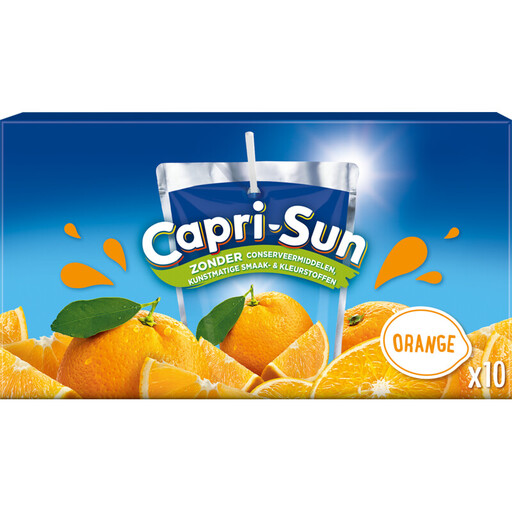
Why this fits the profile: The 10 x 200 ml portions are practical for families, days out and times when a large carton is inconvenient.
The fixed portion size prevents a large pack from sitting open in the fridge for too long. The product information also states no artificial colours and no preservatives.
10 drink pouches of 200 ml; according to the product information, 19 kcal per 100 ml and contains fruit juice.
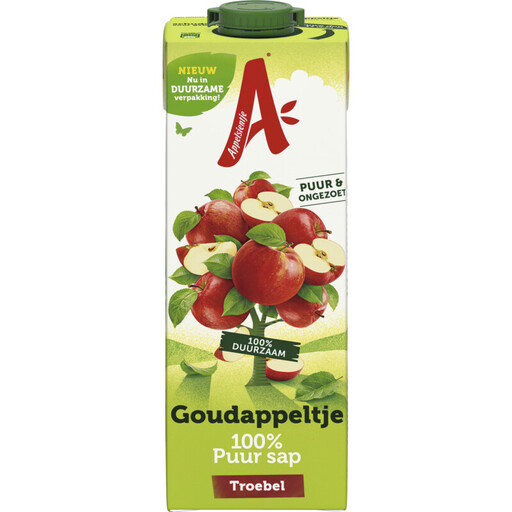
Why this fits the profile: Ideal for those who, when it comes to apple juice, value the fruit base and a clear ingredients list above all else.
The product information states 100% pure juice and no added sugar. This makes it much easier to tell the difference from a sweetened fruit drink.
1 litre content; ingredients according to the listed information: concentrated apple juice and vitamin C.

Why this fits the profile: A box of 12 x 330 ml cans is perfect for mango drink lovers who want to grab a chilled portion on a regular basis.
The packaging clearly states 30% mango juice and “no added sugar”. The drink is sweetened with steviol glycosides, so you still need to check the ingredients list.
12 cans of 330 ml; according to the product description, 17 kcal per 100 ml and 30% mango juice.
We’ve put together a full, up-to-date list of products that fully meet these strict selection criteria and comply with current European safety regulations.
Fruit juice is made from the juice of fruit, possibly from concentrate. A fruit drink may also contain water, sugar, sweeteners, flavourings or other ingredients. So always look at the fruit percentage and the ingredients list rather than just the product name.
Not necessarily. Fruit naturally contains sugar. A product with “no added sugar” can therefore still contain sugars. Check the nutritional information table per 100 ml and see whether sweeteners have been added.
This varies by product. Many cartons and bottles need to be refrigerated after opening and used within a few days. Drink pouches are usually intended for single use. Always follow the storage instructions and the date on the packaging.
