
Vandaag of morgen in huis

Kwaliteit gegarandeerd

Welkomstaanbiedingen ontgrendelen: GRATIS bezorging | Tot 80% korting | Gratis 30 dagen JoyPlus-proefperiode
Download de app
At first glance, fruit jelly seems simple: a sweet jelly snack with a fruity flavour. However, products vary considerably in texture, serving size, sugar content, packaging and convenience. A large jar may seem good value, while individual jelly cups or jelly sticks are more practical for school, the office or eating on the go.
Terms such as “with fruit pulp”, “drinkable jelly” and “low-calorie jelly” do not tell the whole story either. Always check the ingredients list and nutrition table. This helps you avoid buying a product that does not suit your eating habits or the occasion when you want to enjoy the snack.
The packaging often features a large image of lychee, grapes or mango. That does not mean the product is mainly made from fruit. Check the percentage of fruit juice, fruit purée or fruit pieces in the ingredients list.
For example, SHENG XIANG ZHEN White Peach Jelly Cups list 8% white peach. According to the product description, SHENG XIANG ZHEN Mandarin Orange Jelly contains 5% fruit juice. This is more concrete information than simply showing a fruit flavour on the front of the pack.
Compare the energy per 100 grams or 100 millilitres, rather than looking only at the individual serving pack. For example, Keumkang Jelly B Lychee lists 3 kcal per 100 grams and 0 grams of sugar. SHENG XIANG ZHEN Grape Fruit Jelly With Pulp contains 63.2 kcal and 13.2 grams of sugar per 100 grams.
A larger pack can therefore contain more calories and sugar, even if one individual serving seems small. Also check whether sweeteners such as erythritol, sucralose or acesulfame-K have been used.
A jelly cup works well as a dessert at the table, but usually requires a spoon or a stable surface. Jelly sticks are individually wrapped and fit more easily into a lunch bag or a bag for eating on the go. A drinkable jelly in a pouch is compact, but its texture and opening method differ from those of traditional fruit jelly.
Also check the storage instructions, closure and best-before date. If the packaging is damaged or the seal has been broken, it is best not to use the product.
The gelling agent affects how the jelly feels in your mouth. Konjac jelly often has an elastic, firm texture. Products containing carrageenan, gellan gum or other gelling agents may feel softer or smoother. If you enjoy pieces of fruit, look for fruit jelly with pulp, such as the grape version from SHENG XIANG ZHEN.
Extra care is needed for children and people who may have difficulty eating. Jelly can be slippery and elastic. Always follow the usage warnings on the packaging and only allow young children to eat it under supervision.
Compare both the net quantity and the number of individual units:
A multipack containing six cups can be appealing for families. For a varied selection of flavours, assortments containing individual sticks or multiple pouches are more convenient.
Check the following before buying:
COZZO Fruit Jelly Sticks include mango, lychee, apple and grape jelly, among other flavours. The product description also lists colourings E102 and E129 and warns that these may have an adverse effect on activity and attention in children. According to the product information, the product contains none of the 14 main EU allergens. Nevertheless, check the label when you receive it, as the packaging is the definitive source of information.
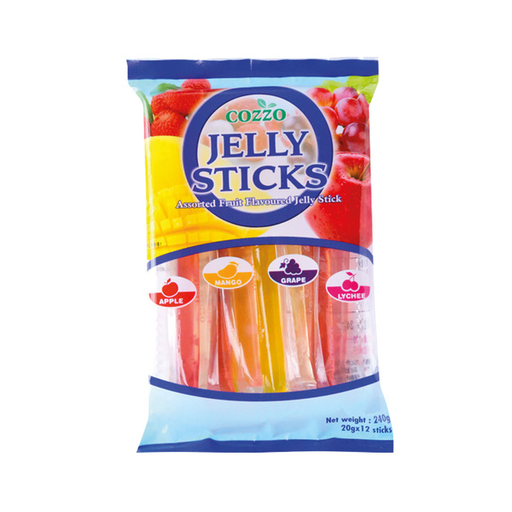
Why it suits this profile: The pack contains 12 individually wrapped 20-gram sticks in four fruit flavours. This makes it easy to try fruit jelly without immediately buying a large supply.
The portions are clearly defined and the ingredients list the four flavours separately. However, do check the colourings listed and the 26 grams of sugar per 100 grams.
12 individual sticks, four fruit varieties and 104 kcal per 100 grams according to the product information.
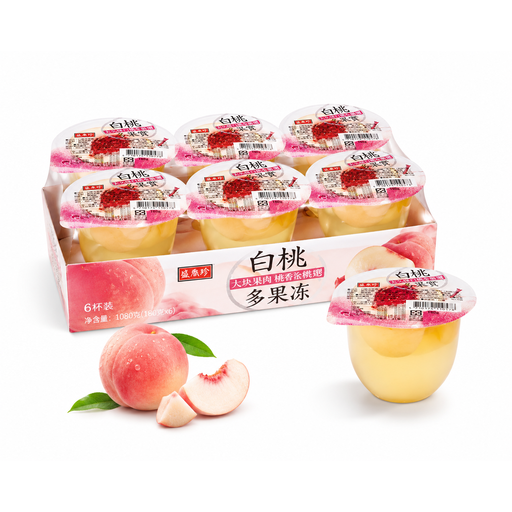
Why it suits this profile: This Taiwanese fruit jelly combines a soft jelly texture with pieces of white peach. The six individual 180-gram cups are designed for enjoying dessert at home or in the office.
The fruit percentage and serving size are specified. The product description states 8% white peach; check the current packaging for the full ingredients list.
8% white peach, individual cups and 75 kcal per 100 grams according to the product details.
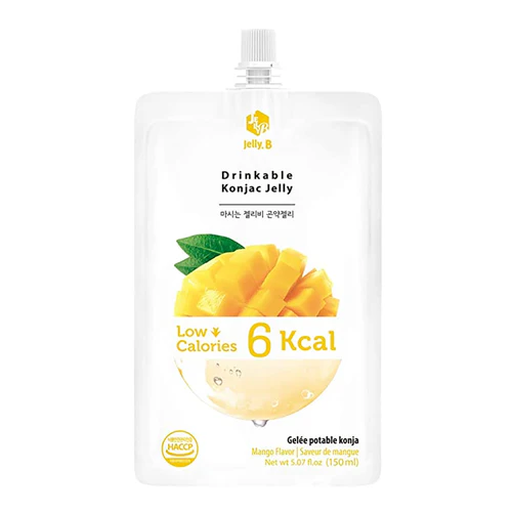
Why it suits this profile: The 150 ml pouch is designed for a drinkable jelly snack at work, while travelling or after school. The product information states that it contains mango and konjac.
The packaging and serving size are clearly stated. According to the product information, the pouch contains 3 kcal and 0 grams of sugar per 100 ml; however, the ingredients list does include sweeteners.
150 ml per pouch, konjac jelly, mango flavour and halal certification according to the product information.
We have put together a complete, up-to-date list of products that fully meet these strict selection criteria and the applicable European safety regulations.
Fruit jelly is a broad product category comprising jelly made with water, sugar, juice, fruit purée and gelling agents. Konjac jelly uses konjac powder as part of the gelling agent and often has a firmer, more elastic texture. Check the ingredients list, as the composition varies by brand and flavour.
That depends on the product. Some konjac jelly varieties list only a few kcal per 100 ml, while fruit jelly containing sugar provides considerably more energy. Check the nutritional value per 100 grams or millilitres, and look at sugar and sweeteners as well as calories.
Always follow the instructions on the packaging. Many unopened jelly products should be stored in a cool, dry place away from direct sunlight and heat. Once opened, a product may need to be refrigerated and consumed quickly, according to the label. Do not use packaging with a damaged or broken seal.
