
Vandaag of morgen in huis

Kwaliteit gegarandeerd

Welkomstaanbiedingen ontgrendelen: GRATIS bezorging | Tot 80% korting | Gratis 30 dagen JoyPlus-proefperiode
Download de app
Fruit jelly sweets are popular with children, adults and fans of Asian snacks. Their soft texture, fruity flavours and handy packaging make these treats suitable for home, a lunchbox or on the go. Yet many products look alike, while there are clear differences in sugar content, portion size, ingredients and texture.
As a Joybuy Product Recommendation Officer, I focus on verifiable information on the label. This helps to separate marketing claims from practical product features.
A product can taste of mango, lychee or apple without containing much fruit juice. So always check the ingredients list. With COZZO Fruit Jelly Sticks, for example, a small percentage of fruit juice is listed per flavour. The fruit taste doesn’t come solely from fruit.
Also, with sweets labelled as fruit jelly or fruit gummy, look at the order of ingredients. Sugar, glucose or maltose syrup at the top of the list means the product is primarily a sugary treat.
A 60g or 70g bag may seem modest, but the nutritional information is usually given per 100g. For instance, Want Want-QQ Gummy Cola contains 45g of sugar per 100g according to the product information. Cokoc Peelable Gummies Mixed Fruit contains 45.9g of sugar per 100g.
So always compare:
Jelly sticks, konjac jelly and gummy sweets often have an elastic or smooth texture. For young children, this may require extra care. Read the age recommendations and warnings on the packaging and supervise while eating. With a product in an intact packet, the texture is generally better preserved than with a bag that has been open for a long time.
Also watch out for allergens. Gelatine can be of animal origin, while mochi often contains soya, sesame or other ingredients. The product information may also indicate that a product is made on a line where, for example, gluten, soya or fish are processed.
Don’t just look at the flavour name, but also at:
Specific warnings may apply to colourings. For example, the product information for COZZO Fruit Jelly Sticks states that E102 and E129 may have an effect on activity and attention in children. Always check the current label before serving a product.
For sweets on the go, individually wrapped products are practical. They stay portioned and are easy to take to school, the office or a picnic. COZZO Fruit Jelly Sticks contains 12 sticks of 20g. The FRUIT 100% STICK JELLY 1.46kg, on the other hand, is aimed at a large supply with individually wrapped sticks.
A bag with one large content can be more economical for parties, but requires good sealing after opening. Jelly sweets can become hard or stick together if they lose moisture or absorb moisture.
The term “soft and chewy sweets” covers several textures:
Choose the texture based on the eating occasion. A squeeze pouch is ideal for on the go, while mochi or gummies are better enjoyed as a shared treat at home.
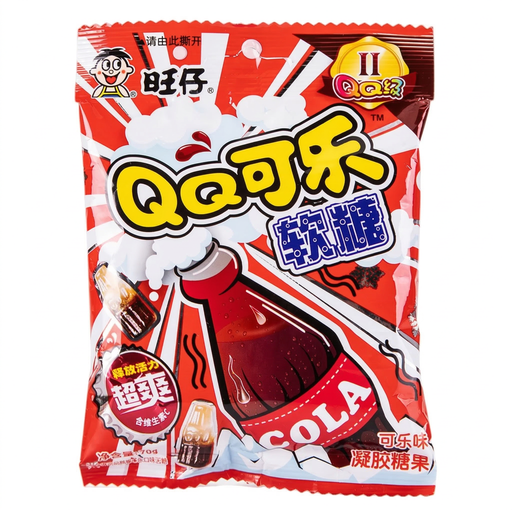
Why this fits the profile: A compact 70g bag with a recognisable cola flavour. Suitable if you want to try a smaller quantity of jelly sweets first.
The net weight and nutritional values are clearly stated. This allows you to estimate the portion and sugar content in advance.
Soft, chewy texture; 70g pack; according to the product information, 15mg of vitamin C per 100g.
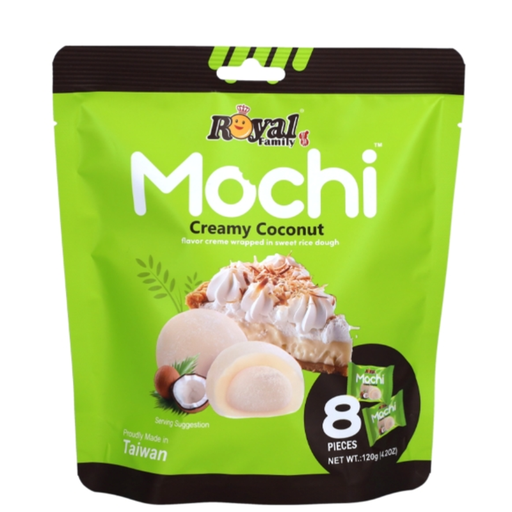
Why this fits the profile: For those who want to discover mochi sweets and Asian flavours alongside fruit jelly. The combination of glutinous rice texture and coconut sets this product apart from ordinary gummies.
The ingredients and the soya allergen present are listed. This prevents you from relying solely on the flavour name.
Coconut flavour; mochi texture; 120g pack; store according to the instructions on the packaging.
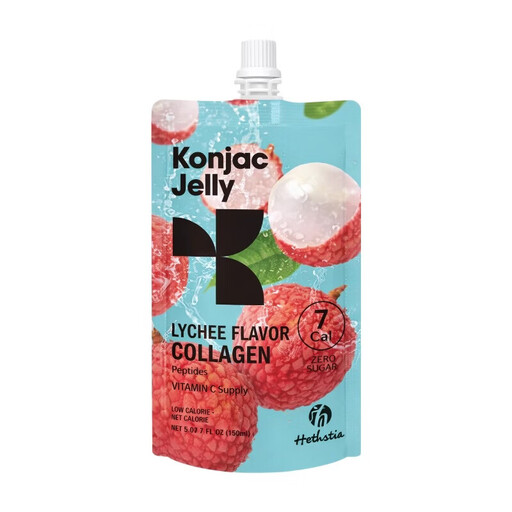
Why this fits the profile: An individual squeeze pouch for anyone looking for a light jelly snack for the office, travel or a walk. The lychee flavour appeals to fans of fruit jelly with a smooth texture.
The product information states 7kcal per pouch, 0g of sugar and no fat. Always check these values against the label on the packaging you receive.
Individual pouch format; lychee flavour; according to the product information, gluten-free and with no listed allergens.
We have compiled a full, up-to-date list of products that fully meet these strict selection criteria and comply with current European safety regulations.
That varies by product. Check the age recommendation, ingredients and warnings. Pay particular attention to smooth jelly, hard gummy sweets and possible colouring warnings. Young children should preferably eat this type of sweet under supervision.
Konjac jelly uses konjac powder as a gelling agent and is often sold in a squeeze pouch. Ordinary fruit jelly may contain pectin, agar or carrageenan, among other things. The nutritional value, firmness and portion size vary by brand. So always look at the label rather than just the product name.
That depends on the packaging. Store opened sweets well sealed, cool and dry according to the instructions. Some konjac jelly products need to be refrigerated after opening and consumed within a limited period. Do not use any product whose packaging is damaged or whose smell, colour or texture has clearly changed.
