
Vandaag of morgen in huis

Kwaliteit gegarandeerd

Welkomstaanbiedingen ontgrendelen: GRATIS bezorging | Tot 80% korting | Gratis 30 dagen JoyPlus-proefperiode
Download de app
Fruit jelly sweets come in many forms: soft gummies, jelly sticks, konjac jelly, Japanese jelly and Asian sweets with fruit or fizzy drink flavours. With such a wide range, choosing online isn’t always straightforward. A large pack might look appealing, but it won’t automatically suit a lunchbox. And a product with a low energy content can still contain plenty of sweeteners or sugar.
With this guide, you can compare fruit jellies based on verifiable product information. That makes it easier to find jelly sweets to share, an individually wrapped treat, or a compact snack for on the go.
A bag or tub of 800 grams or 1 kilogram is handy for a party, but less practical if you’re looking for portions to take out and about. So check:
A large quantity makes most sense when you’re looking for sweets to share. For a lunchbox or a treat, jelly sticks or small portion packs are often more straightforward.
Product names featuring mango, grape, peach or pineapple often refer to a flavour, juice concentrate or aroma. So take a look at the ingredients list. With COZZO Fruit Jelly Sticks, for example, each flavour states a specific proportion of fruit juice. With other products, the emphasis is more on sugar, glucose syrup, gelling agents and flavourings.
According to its own product information, Strong Konjac Jelly contains at least 40% fruit content per flavour. Always check the actual packaging yourself, because the composition and labelling can change.
Some konjac jelly products contain little energy per 100 grams. DELIEF Vegan Collagen Konjac Jelly Green Grape, for instance, states 5 kcal per 100 grams and 0 grams of sugar. That makes the product interesting if you’re watching your nutritional intake, but it remains a sweet snack and not a meal replacement.
Also pay attention to the texture and usage instructions. Jelly in a squeeze pouch, cup or stick should be eaten slowly. Do not give products with a firm or slippery texture to young children without supervision.
The texture varies clearly by product category:
According to the product information, Orihiro Purunto Jelly uses konjac powder and a gelling agent, among other ingredients. The Golden Pineapple variant contains 14 kcal per 20-gram portion; Melon Soda states 12 kcal per 20 grams. These values apply per stated portion, not per full pack.
Always check the full ingredients list, especially with children, guests or family members who have food allergies. Look out for:
According to the product information provided, Haribo Peaches contains gelatine and lists milk and gluten from wheat as allergens. Haribo Kindermix contains wheat and gluten-containing cereals and may contain milk. The information per product can differ, even within the same brand.
For everyday use, individually wrapped sweets or sticks are easy to take with you. COZZO Fruit Jelly Sticks contains 12 sticks of 20 grams. According to the product description, ABC Fruit Jelly Sticks are individually wrapped and intended for on the go or to share.
With frozen products, pay extra attention to the instructions. ABC Jelly Fruity Jelly Bar Assorted Ice Pops must be stored frozen, kept chilled after defrosting and must not be refrozen. This makes this type of jelly less suitable as a spontaneous snack in a bag.
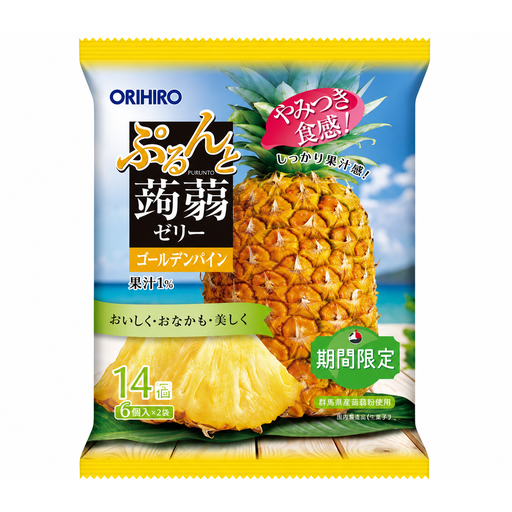
Why this fits the profile: The pack contains 6 separate portions totalling 120 grams. That’s manageable for someone trying Japanese jelly for the first time without buying a large stock straight away.
The portion size means you don’t have to open a large bag for a small snack. The nutritional values are stated per 20 grams.
Pineapple flavour, konjac powder, 6 portions and, according to the product information, no specifically listed allergens.
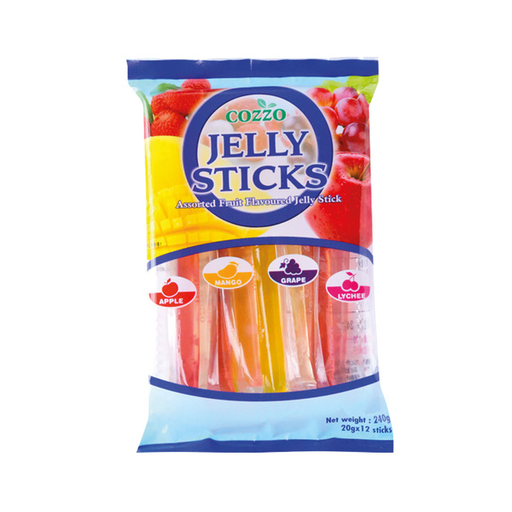
Why this fits the profile: If variety and a well-presented portion matter to you, you get four stated flavours: mango, lychee, apple and grape. The sticks are suitable for treats, travel and lunchboxes.
The 12 individual sticks make the weight and portions clearer than with a loose mixed bag.
240 grams total, 20 grams per stick, four fruit flavours and, according to the product information, none of the 14 main EU allergens.
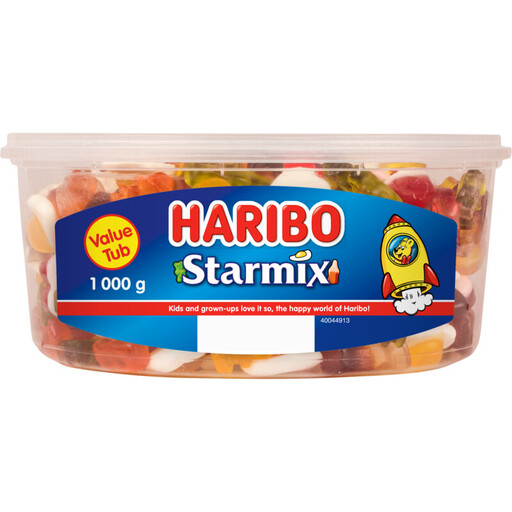
Why this fits the profile: For birthdays, games nights and a permanent sweet jar, a 1-kilogram pack is practical. The mix includes fruit gum rings, hearts, gold bears and cola items, among others.
The contents and portion indication are clear: the product information states 40 portions of 25 grams. This helps you better estimate how much you need.
1 kilogram contents, multiple shapes and flavours, intended for sharing. According to the label, the pack contains gelatine and may contain milk and wheat.
We’ve put together a full, up-to-date list of products that fully meet these strict selection criteria and comply with current European safety regulations.
Use this quick checklist before you order:
For families, a mix of individually wrapped sweets can be handy. Fruitella Mix or Minis, for example, contains individually wrapped mini sweets including Fruitella, Mentos, Chupa Chups and Look-O-Look. For fans of soft gummies, Haribo Peaches, Haribo Starmix or COZZO Fruit Jelly Mix Gummy Candies are options with various fruity flavours. With COZZO, do check the mention of milk and lactose.
The best-before date is on the packaging. Store dry gummies and jelly sticks in a cool, dry place away from direct sunlight. Seal an opened bag or tub tightly. Jelly products that need to be stored chilled or frozen follow different instructions. So always check the label of the specific product.
No. Konjac jelly uses konjac powder as part of the gel structure and generally feels more compact and elastic. Ordinary fruit gummies often contain gelatine or other gelling agents and are usually chewed as sweets. The ingredients list and texture vary by brand and variant.
Look at the portion size, packaging method, allergens and texture. Individually wrapped jelly sticks are practical, but young children should always eat slowly under supervision. Also check for colourings and warnings on the packaging, especially with products that contain multiple added colourings.
