
Vandaag of morgen in huis

Kwaliteit gegarandeerd

Welkomstaanbiedingen ontgrendelen: GRATIS bezorging | Tot 80% korting | Gratis 30 dagen JoyPlus-proefperiode
Download de app
Fruit jelly sweets come in many forms: from soft fruit chews and jelly sticks to Asian sweets with lychee, mango or passion fruit. Yet an eye-catching packet doesn’t always tell you everything about what’s inside. When you shop online, it pays to compare the ingredients list, nutritional values and portion size.
A product can have fruit in its name or on its image, while the actual fruit juice content is limited. For example, COZZO Mango Jelly Bonbons states 5% mango juice. According to the product information, the COZZO Fruit Jelly Sticks contain around 0.5% to 1% fruit juice per flavour. That doesn’t make them unsuitable, but it’s a different proposition to sweets made largely from fruit or fruit juice.
So look at the quantitative ingredient declaration. Ingredients are listed in descending order. If sugar or glucose syrup appears before the fruit component, the product is mainly a sweet snack with a fruity flavour.
A vegan product can still be high in sugar. Fruitella Strawberry Vegan 4 Sticks lists sugar and glucose syrup among its ingredients. The nutritional value works out at 55 grams of sugar per 100 grams. The product is marketed as vegan, but that says nothing about its sugar content.
“Sugar-free” also needs checking. Hethstia Konjac Jelly uses erythritol according to the ingredients list and states 0 grams of sugar per 100 grams. That’s quite different from a product without sweeteners. So always compare the full ingredients list, not just the front of the packet.
A bag or box with lots of pieces can be handy for a party, the office or a family. But do check the price per 100 grams, the number of portions and the shelf life after opening. Individually wrapped jelly sticks are practical for on the go, but they can contain relatively more packaging material. A large bag is good value for sharing, but less suitable if you only eat sweets occasionally.
If you’re after a distinct fruit taste, look at the stated juice or fruit percentage. A higher percentage doesn’t guarantee you’ll like the flavour, but it does make product information easier to compare. Fruit jelly often also contains natural flavourings, acidity regulators and colourings.
For a fresh, sweet-and-sour taste, products with citric acid or other food acids are common. Dried fruit and hawthorn snacks tend to have a firmer, more concentrated profile than soft jelly.
Jelly sweets can be soft, elastic, chewy or firm. Look at the gelling agent used, such as pectin, carrageenan, konjac powder or gum arabic. The texture varies from product to product and brand to brand.
With konjac jelly, it’s wise to follow the usage instructions on the packet. Also pay attention to the recommended age and any warnings, especially if you’re buying the product for children.
Compare nutritional values per 100 grams where possible. Look at energy, carbohydrates and sugars. A product that’s low in fat isn’t automatically low in sugar. For instance, COZZO Mango Jelly states 30 grams of sugar per 100 grams, while Hethstia Passion Fruit shows 0 grams of sugar per 100 grams according to the product information, but does use erythritol.
Also check for milk, soya, gelatine and sulphites. COZZO Mango Jelly and Lychee Jelly contain milk. HARIBO Bananas contains gelatine and lists milk and wheat as allergens. MUSHAN BASE Candied Pineapple contains sulphites. Always check the current packaging, as labels can change.
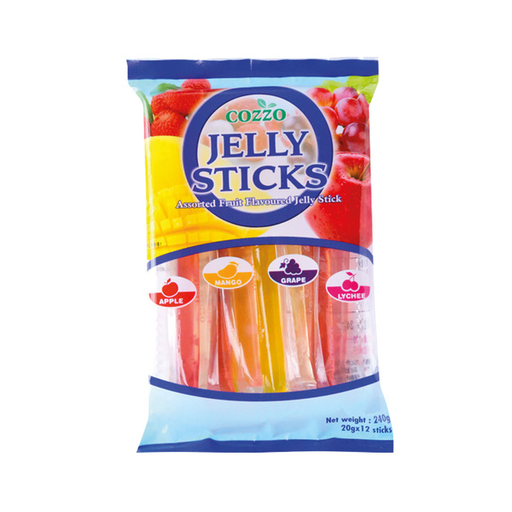
Why this fits the profile: The box contains 12 individually wrapped sticks of 20 grams in mango, lychee, apple and grape flavours. That makes comparing and sharing easy.
The net weight and portion breakdown are clearly stated. The fruit juice percentages are listed per flavour in the ingredients information.
240 grams of content, four flavours and individual wrapping for on the go or a treat.
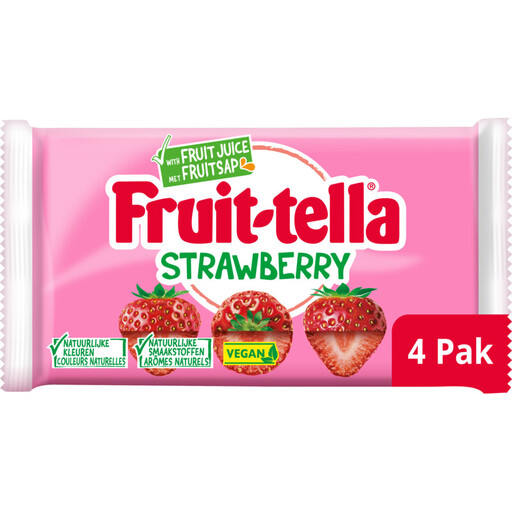
Why this fits the profile: For those looking for a recognisable brand, strawberry flavour and soft, chewy sweets. The product information states vegan, fruit juice and natural flavourings and colourings.
The pack contains four rolls and the sweets are individually wrapped. At the same time, the sugar content of 55 grams per 100 grams is clearly stated.
164 grams of content, strawberry flavour and individually wrapped sweets for sharing.
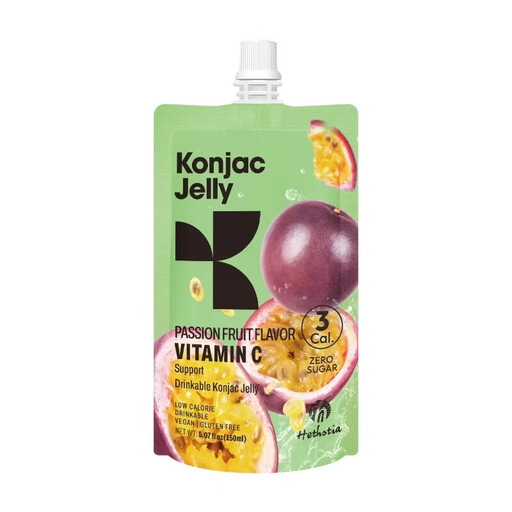
Why this fits the profile: The squeeze pouch is designed for use on the go, at the office or during a day out. According to the product information, the portion contains 3 kcal per 100 grams and 0 grams of sugar.
The product information distinguishes between sugar and erythritol. Once opened, the product must be kept refrigerated and used within two days.
Passion fruit flavour, individual pouch, gluten-free according to the product information and suitable for serving chilled.
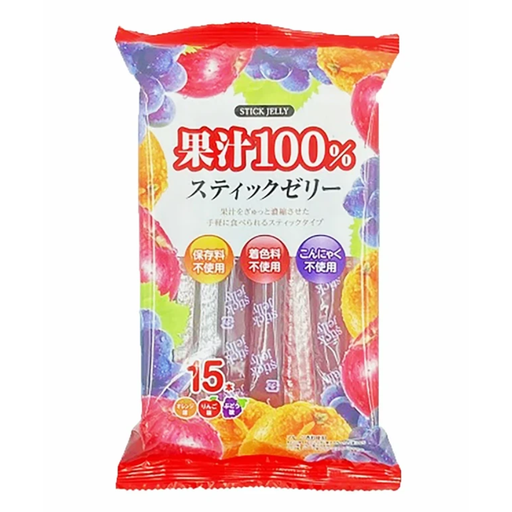
Why this fits the profile: The bulk pack with individually wrapped sticks is practical for a store cupboard, event, office or large group.
The product information states 100% fruit juice and no added sugar, artificial colourings or preservatives. Always check this on the current packaging.
1.46 kilograms of content, portion packaging and several possible fruit flavours.
We’ve put together a full, up-to-date list of products that fully meet these strict selection criteria and comply with current European safety regulations.
That varies from product to product. Fruitella Strawberry Vegan is marketed as vegan according to the product information. Other jelly products may contain milk, gelatine or other animal-derived ingredients. So always check the current ingredients list and allergen information.
Store most products in a cool, dry place away from direct sunlight and heat. Seal opened packs tightly. For konjac jelly, there is often an additional instruction: keep refrigerated after opening and consume within the stated time.
Compare the nutritional value per 100 grams. Hethstia Konjac Jelly states 0 grams of sugar per 100 grams and uses erythritol. Other products, such as COZZO Jelly and Fruitella, do contain sugar. “Sugar-free” also doesn’t automatically mean free from sweeteners or calories, so read the full label.
