
Vandaag of morgen in huis

Kwaliteit gegarandeerd

Welkomstaanbiedingen ontgrendelen: GRATIS bezorging | Tot 80% korting | Gratis 30 dagen JoyPlus-proefperiode
Download de app
Fruit jelly snacks are popular with fans of Asian snacks, those with a sweet tooth and anyone who wants to take a little something with them on the go. You’ll find soft fruit jelly, jelly sticks, konjac jelly and Japanese jelly in a wide range of flavours and formats. However, cheerful packaging doesn’t always tell you enough about what’s inside.
If you only look at the flavour or a claim such as “low calorie”, you could end up buying a snack that is less suitable for your diet or the occasion. Pay particular attention to the portion size, ingredients, packaging and warnings.
A fruit name on the front may simply refer to the flavour. Check the ingredients list and the quantitative ingredient declaration. For example, Orihiro Prunto Konjac Jelly Peach lists 23% fruit juice, including peach and apple. Want Want Konjac Jelly Apple, on the other hand, lists 0.1% concentrated apple juice.
The percentages can also vary between flavours in a mixed-flavour product. COZZO Fruit Jelly Sticks, for example, specifies a quantity of mango, lychee, apple or grape juice for each flavour. The rest consists of ingredients including water, sugar, gelling agents, food acids and flavourings.
Always compare the nutritional values per 100 grams as well as per portion. Hethstia Konjac Jelly Apple lists 3 kcal per 100 grams and 0 grams of sugar, while Orihiro lists 14.8 kcal per 20-gram portion. Want Want Apple contains 89 kcal per 100 grams and 20.5 grams of sugars.
A large bag or multipack may also contain many small portions. So don’t just look at the figure on the front; check the total weight and the number of pieces too.
A squeeze pouch is handy for work, travelling or an outdoor break. Individually wrapped jelly sticks are better suited to sharing or packing in a lunchbox. A tub containing individual packs is practical for parties.
Always check the instructions when handling soft jelly. Some products must not be swallowed whole. Orihiro advises opening the jelly along the dotted line, pushing it out of the packaging and chewing it in several bites. Also check the age warning: various jelly products carry a choking hazard warning and are not suitable for young children.
If you’re looking for a vegan jelly snack, gluten-free jelly or low-calorie jelly, check the current packaging. “Vegan” or “gluten-free” should be clearly stated for the product; don’t rely on the flavour name alone.
Pay attention to:
Look-O-Look Filled Cherry Sticks, for example, contains wheat flour, gelatine and beeswax. This makes it different from a vegan konjac jelly. If you have an allergy or follow a particular diet, it remains important to read the label on the packaging you receive.
For an on-the-go snack, portions of around 20 grams are easy to manage. Orihiro Prunto Konjac Jelly Peach contains six individual 20-gram portions. COZZO Fruit Jelly Sticks consists of 12 sticks of 20 grams, while a large pack such as ABC Jelly Fruit Jelly Sticks 1 kg may be more suitable for sharing or stocking up.
Store jelly according to the instructions on the label. Many shelf-stable varieties can be kept in a cool, dry place. Some products require an opened pouch to be refrigerated and eaten within one or two days. Always check the stated best-before date and do not use the product if the seal is damaged.
Konjac jelly often has an elastic, chewy texture. A drinkable jelly, such as Yan Jin Pu Zi Sippable Jelly Snack, is softer to consume and, according to the product information, also contains pieces of nata de coco. Fruit jelly sticks are usually compact and individually wrapped. Classic jelly sweets may be more like soft wine gums and often contain more sugar.
Choose according to the occasion: a squeeze pouch for convenience, a stick for portion control or a larger pack for a bowl at a party.
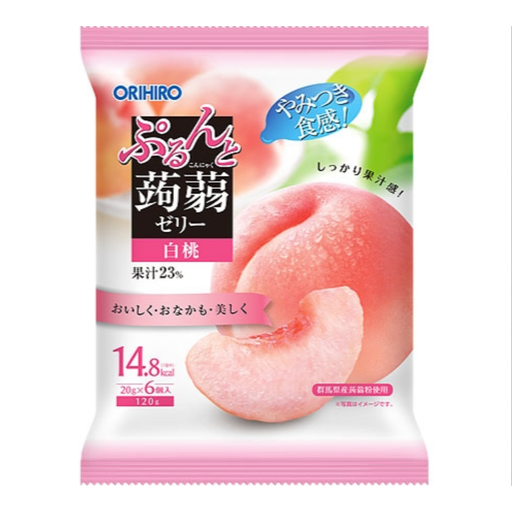
Why it suits this profile: The pack contains six individual portions, so you can try a small amount first without buying a large supply straight away.
The juice percentage and nutritional value per piece are stated. The instructions also explain how to push the jelly out and chew it.
23% fruit juice according to the product information; six 20-gram portions; 14.8 kcal per portion.
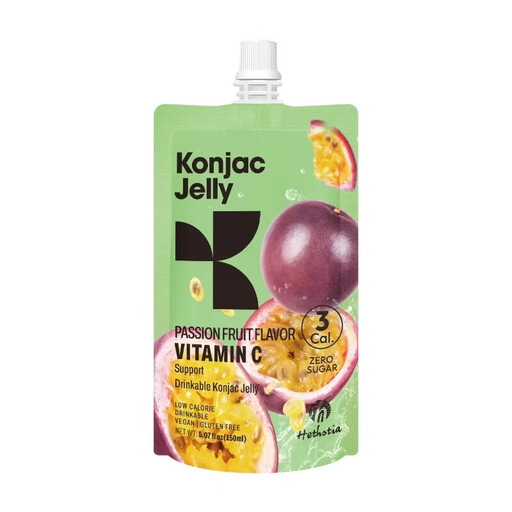
Why it suits this profile: This individual pouch is ready to eat and is ideal for anyone who wants to assess the ingredients, nutritional value and soft konjac texture side by side.
The product information states 3 kcal per 100 grams, 0 grams of sugar and an ingredients list containing erythritol and konjac flour. Check the packaging for the latest information.
155 grams per pouch; ready to eat; gluten-free and vegetarian according to the product information.
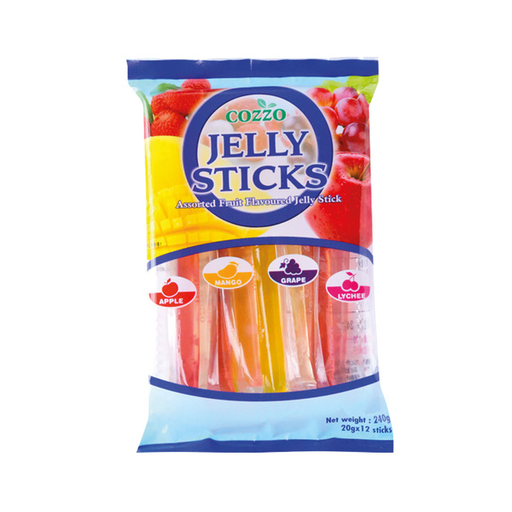
Why it suits this profile: The twelve individually wrapped sticks are practical for school, work, travelling, treats and parties where you need multiple portions.
The packaging and portion sizes are clear: 20 grams per stick. The nutritional information also states 104 kcal and 26 grams of carbohydrates per 100 grams.
Four fruit flavours; 12 individually wrapped sticks; none of the 14 major EU allergens according to the product information.
We’ve put together a complete, up-to-date list of products that fully meet these strict selection criteria and the applicable European safety regulations.
Use this quick checklist before placing your order:
This varies from product to product. Some packs explicitly carry a choking hazard warning and advise against consumption by young children. Do not let children swallow jelly whole, and always check the age and usage warnings on the packaging.
An unopened jelly snack is often stored in a cool, dry place, but the instructions vary. Some varieties require an opened squeeze pouch to be refrigerated and consumed within one or two days. Follow the information on your product’s label.
Not always. Some varieties contain sugar or glucose syrup, while others use erythritol or other sweeteners. Check both the ingredients list and the nutritional information. A low calorie content alone says nothing about the overall ingredients or flavour.
