What should you look for when making small portions?
First decide whether you’ll be puréeing fresh fruit or processing fruit that’s already frozen. Then compare the cup, the minimum fill level stated in the manual and the quantity you need for your moulds.
| What to consider |
What should you check? |
Who should pay particular attention? |
| Puréeing small portions |
Compare your usual quantity with the cup and the minimum fill level in the manual. Check whether a small-portion blender foot is actually included. |
If I only want to purée a small amount of fruit for each flavour, the blades need to reach the mixture. This is a key requirement for consumers whose first priority is making small portions; around 36% place particular emphasis on it. |
| Blending and cleaning |
Check which parts can be detached and are dishwasher-safe according to the instructions. Also consider how easy it is to pour the mixture into the moulds. |
If I regularly make a runnier mixture, I want to be able to pour it out and clean up easily afterwards. Around 29% of consumers prioritise ease of use and cleaning. |
| Processing frozen fruit |
Look in the instructions for the exact model for information about frozen fruit, ice and any requirements for liquid or quantity. |
If I take fruit out of the freezer just before blending, I want to know whether the appliance is suitable for it. Around 21% of consumers say processing frozen fruit is their main requirement. |
| Making other recipes too |
Compare the cups and accessories supplied with the smoothies, sauces or other recipes you actually make. |
If I want to use the appliance for more than just making ice lollies, its other features will influence my choice. For around 14% of consumers, versatility comes first. |
Products on Joybuy
This selection includes compact and personal blenders, as well as a hand blender for making small portions of fruit mixtures. The right option for you depends in part on how much you’re blending and whether you want to use the cup or your own mixing container.
 No image available
Philips 3000 Series Mini Blender HR2510/90
A compact jug blender for making fruit mixtures in its own blending cup.
Capacity: 0,6 l. Power: 350 W. Two speeds. The product description mentions a setting for soft, juicy fruit and detachable, dishwasher-safe parts.
Joybuy
 No image available
Aigostar Marden BL-250
An option for making a small smoothie or portion of fruit in a jug; check that the minimum fill level suits your portion.
Power: 250 W. Capacity: 500 ml. The product description mentions a replaceable drinking lid and detachable, dishwasher-safe parts.
Joybuy
 No image available
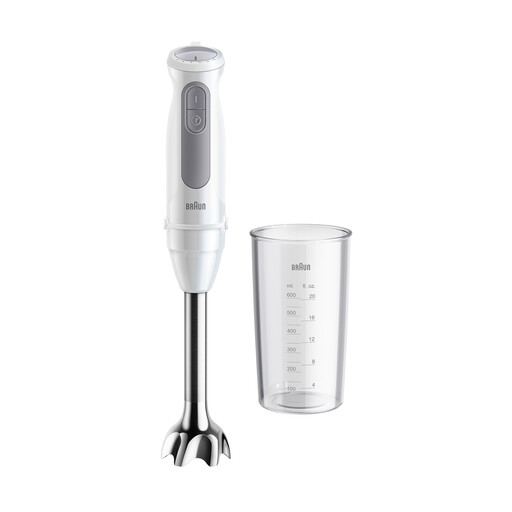
Braun MultiQuick 5 MQ50001
The product description mentions a hand blender foot and a specially sized cup for small portions, making it suitable for preparing individual fruit mixtures.
21 speeds. The product description states that the parts are dishwasher-safe; check the manual to see which parts this applies to.
Joybuy
 No image available
nutribullet Portable 475 ml Personal Blender
A personal blender for making an individual smoothie or portion of fruit in a cup. The capacity alone doesn’t tell you what the minimum suitable quantity is.
Capacity: 475 ml. The product description mentions detachable parts that can be rinsed with soap and water.
Joybuy
 No image available
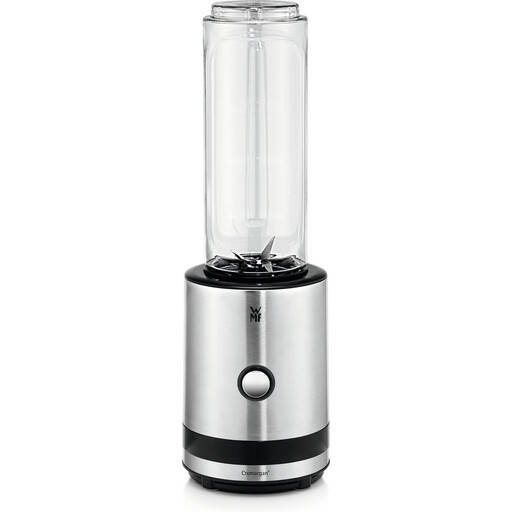
WMF Smoothie To Go Blender 0,6 l
A blender with cups for making fruit mixtures in an individual cup. Compare the capacity with the amount you need for your moulds.
The product description mentions two 0,6 l cups and dishwasher-safe bottles.
Joybuy
Frequently asked questions
Does your blender need to crush ice cubes to make fruit ice lollies?
No, not if you purée fresh fruit first and then freeze the mixture in the moulds. If you want to blend frozen fruit, check the instructions for the exact model; not every blender can do this.
Can you make a layered yoghurt and fruit mixture?
Yes. The Netherlands Nutrition Centre describes fruit that is puréed separately using a hand blender or food processor, then mixed with yoghurt. When choosing an appliance, check that the cup and blender foot are suitable for the small quantities of each flavour.
How can you keep the preparation and parts clean?
Follow the cleaning instructions for the exact model’s cup, blades and motor unit. Only the parts specified by the manufacturer are dishwasher-safe. The Netherlands Nutrition Centre recommends a fridge temperature of 4 °C for safe chilling and storage.
Do you need a separate manufacturer’s warranty?
No, you don’t need a separate manufacturer’s warranty to have statutory rights. According to the Dutch government, you’re entitled to a product that works properly when you buy it; there is no fixed statutory warranty period. Check whether an extended warranty offers any real benefits, and contact the seller if a product is faulty.
Which Dutch safety requirements are relevant when buying?
The Netherlands Food and Consumer Product Safety Authority (NVWA) explains that manufacturers must state any restrictions on use needed for safe operation, and that electrical appliances must meet the applicable safety requirements. Food contact materials are also subject to requirements. This general framework does not, by itself, confirm that an individual appliance offered for sale complies with them.


