
Vandaag of morgen in huis

Kwaliteit gegarandeerd

Welkomstaanbiedingen ontgrendelen: GRATIS bezorging | Tot 80% korting | Gratis 30 dagen JoyPlus-proefperiode
Download de app
As soon as the temperature rises, so does the craving for a cooling ice cream. Fruit ice cream might seem like a healthier choice, but the reality in the supermarket is often different. Many products entice with attractive packaging and promises of "real fruit," while the ingredients list mainly shows sugar and water. It's a waste of money when an ice cream is disappointing or not what you expected.
Before you start buying ice cream online, it's wise to know what to look for. Here, we'll discuss the most common pitfalls and give you practical tips to make a choice that fits your needs, whether you're looking for a treat for the kids, a light snack, or a unique flavour experience.
The shelves are filled with options, from classic water ices to luxurious sorbets. Marketing terms can be confusing. Pay attention to the following points to avoid a poor purchase.
To make a well-informed decision, it's useful to check three specifications: the type of ice, the actual fruit content, and the other ingredients.
The base of the ice cream determines its flavour, texture, and often its calorie count.
Check the ingredients list for the percentage of fruit. More importantly, look at its form: fruit purée is puréed fruit and delivers a richer, more authentic flavour than juice from concentrate, where water is added back to thickened juice. A higher percentage of fruit purée usually indicates a higher quality product.
A short and clear ingredients list is often a good sign. Be alert for terms like glucose-fructose syrup, a cheap sweetener often used instead of sugar. Also, check for artificial colours and flavourings if you want a product that is as natural as possible.
Based on these criteria, we have selected a number of products that suit different preferences.
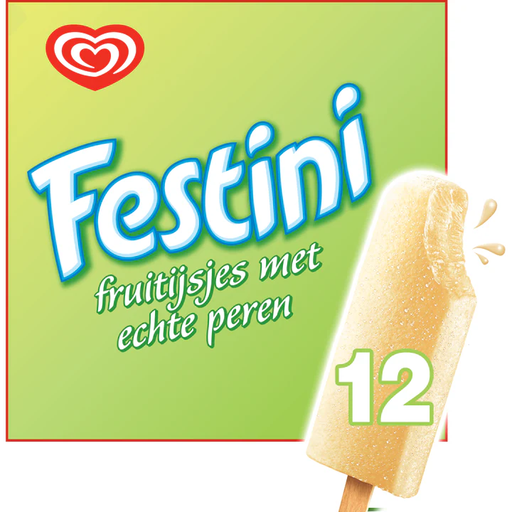
Why This Fits Their Persona: A classic that appeals to almost everyone. The multipack is convenient for families, and the ice creams are a manageable size, ideal as a treat for children.
This ice cream is made with 20% pear purée, which provides an authentic fruit flavour instead of an artificial one. No artificial colours or flavourings have been added.
Contains only 50 kcal per ice cream. According to the manufacturer, vitamin C has been added.
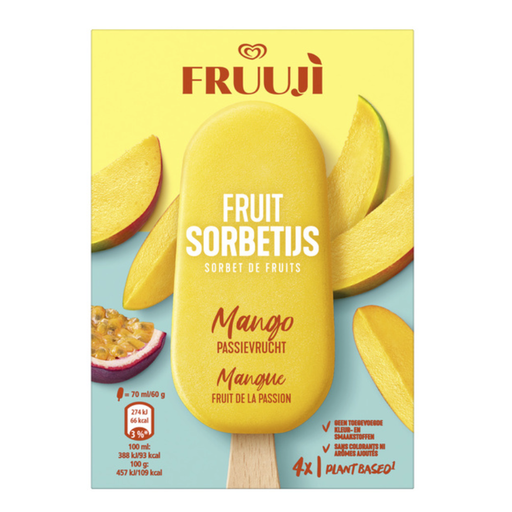
Why This Fits Their Persona: Perfect for those seeking an intense, pure fruit flavour without dairy. This sorbet focuses on the essence: fruit. Ideal if you're watching calories but don't want to compromise on taste.
This ice cream bypasses the "made with fruit" trap with a very high fruit content. According to the manufacturer, it consists of 63% fruit (58% mango and 5% passion fruit), ensuring a rich and natural flavour.
Plant-based product (may contain traces of milk). Contains no artificial colours or flavourings and only 66 kcal per ice cream.
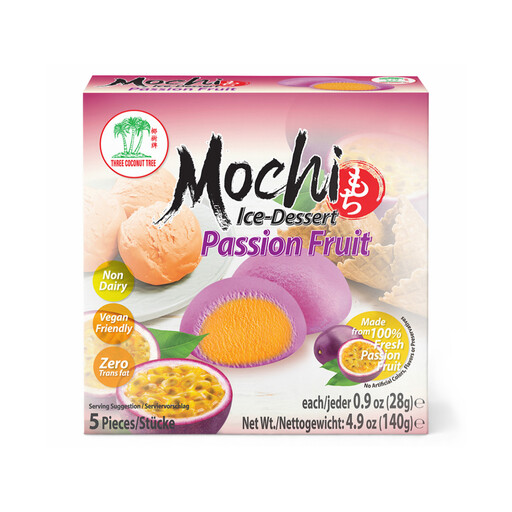
Why This Fits Their Persona: For those who want something different from a standard ice cream on a stick. This product combines creamy passion fruit ice cream with the unique, soft, and chewy texture of Japanese mochi rice dough. A surprising and popular dessert from Asian cuisine.
This is not a generic "exotic" ice cream, but a specific product that offers an authentic texture and flavour combination. You get exactly what you expect from mochi ice cream: a soft, elastic layer around a core of ice cream.
Unique eating experience due to the combination of textures. Convenient portions that can be served directly from the freezer.
We have compiled a complete, up-to-date list of products that meet these selection criteria. Find the perfect refreshment for your taste and preferences.
The main difference lies in the ingredients and texture. Sorbet is made with a significant amount of fruit purée, resulting in a softer, almost creamy structure and an intense fruit flavour. Water ices consist mainly of water, sugar, and flavourings (sometimes with a small amount of juice) and therefore have a harder, more crystalline structure.
Making your own fruit ice cream is easier than you think. For a simple version, you can purée frozen fruit (like banana, mango, or berries) in a blender or a slow juicer with an ice cream function until smooth. For example, the ROUNY Slow Juicer has a special function to create a sorbet-like texture from frozen fruit. Optionally, add a splash of water or (plant-based) milk for a softer result.
Japanese jelly snacks, such as the Orihiro Konjac Jelly, are an interesting alternative. They are not frozen like ice cream but offer a fruity and refreshing taste. They are made from konjac, which provides a unique, firm, and 'chewy' texture. They are often low in calories and packaged in convenient squeeze pouches. Be cautious with young children: due to the firm texture, it is important to push the jelly out and eat it in small pieces, rather than sucking it all in at once.
