
Vandaag of morgen in huis

Kwaliteit gegarandeerd

Welkomstaanbiedingen ontgrendelen: GRATIS bezorging | Tot 80% korting | Gratis 30 dagen JoyPlus-proefperiode
Download de app
A fruit-flavoured soft drink might seem simple to choose. Yet products vary widely in sugar content, fruit percentage, carbonation, caffeine and packaging size. A flashy label with strawberry, raspberry or mango doesn’t automatically tell you how much fruit is actually inside.
For families, party organisers and business buyers, three pitfalls are particularly relevant:
Compare the nutritional values per 100 ml, not just per bottle or can. A 330 ml serving, for example, contains over three times the value stated on the label per 100 ml.
If you’re looking for less sugar, consider sugar-free soft drinks, mineral water with fruit flavour or a low-calorie fruit drink. Wicky Raspberry Fruit Drink contains less than 0.1 grams of sugar and 1 kcal per 100 ml according to the product information. Volvic Touch of Fruit Strawberry also states 0 grams of sugar and 1 kcal per 100 ml. Both products use sweeteners; that’s different from a product without sweeteners.
With a regular fruit drink, the values are higher. Wicky Strawberry Juice states 5.7 grams of sugar per 100 ml. Ice Talk Blueberry Ade contains 8.7 grams of sugar per 100 ml. So when planning a children’s party, lunch or home stock, pay attention to the difference between a fruity taste and the total amount of sugar.
Ingredients are listed in descending order by quantity. A mention such as 0.2% raspberry juice from concentrate paints a very different picture from a drink containing 15% fruit juice. With g’woon Raspberry Cranberry Flavoured Water, the stated juice blend consists of 15% fruit concentrate, including apple, aronia, cranberry and raspberry.
A sparkling fruit drink may contain carbon dioxide, acidity regulators, flavourings and sweeteners. That’s not necessarily a drawback, but it does help you compare products objectively. If you want a pronounced fruit flavour, also consider the type of fruit: strawberry soft drink, raspberry soft drink, cherry or a mango passion fruit drink each have a different flavour profile.
For home use, 1 or 1.5-litre bottles are often practical. For an office, party or event, individual cans and a soft drink value pack are easier to distribute. Do bear in mind the available refrigeration and the best-before date.
With an energy drink, caffeine is a separate point to watch. Carabao Mixed Berry states 106 mg of caffeine per 330 ml can. Monster Ultra Strawberry Dreams states 150 mg per 500 ml can. So even a fruity energy drink remains a caffeinated beverage. Check the packaging and follow the usage advice, especially if you’re combining different caffeinated products in one day.
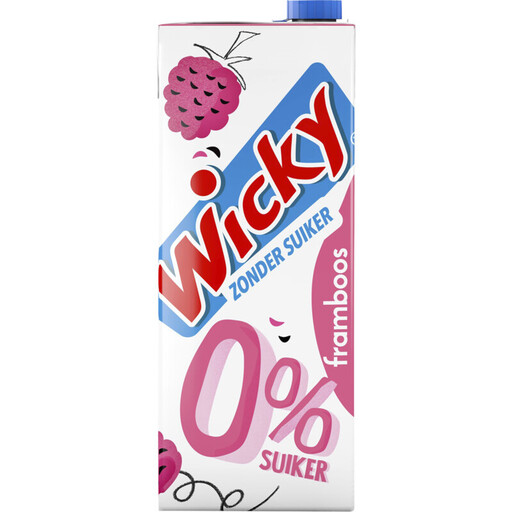
Why this fits the profile: A 1.5-litre bottle is suitable for home use and offers a recognisable raspberry flavour with no sugar according to the product information.
The nutritional information states less than 0.1 grams of sugar and 1 kcal per 100 ml. Check the actual packaging for the full composition.
1.5-litre capacity, raspberry flavour, 1 kcal per 100 ml and added vitamin E according to the label.
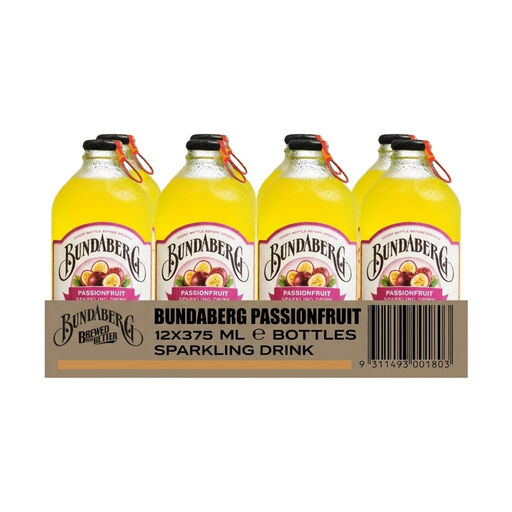
Why this fits the profile: This value pack offers a pronounced passion fruit flavour in 12 bottles of 375 ml, ideal for dinner parties and entertaining.
The size is clearly specified: 12 bottles of 375 ml. This means you can plan your stock in advance based on the number of guests.
375 ml per bottle, 12 per pack, carbonated and 3.5% passion fruit juice from concentrate according to the product description.
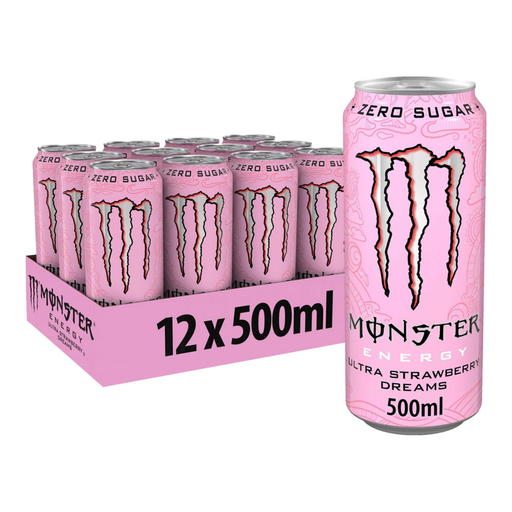
Why this fits the profile: The case of 12 cans of 500 ml is designed for stocking up during long workdays, events or business premises.
The product information states both 0 grams of sugar and 150 mg of caffeine per can. This makes it immediately clear that sugar-free is not the same as caffeine-free.
12 cans of 500 ml, strawberry flavour, 0 grams of sugar and 150 mg of caffeine per can according to the product data.
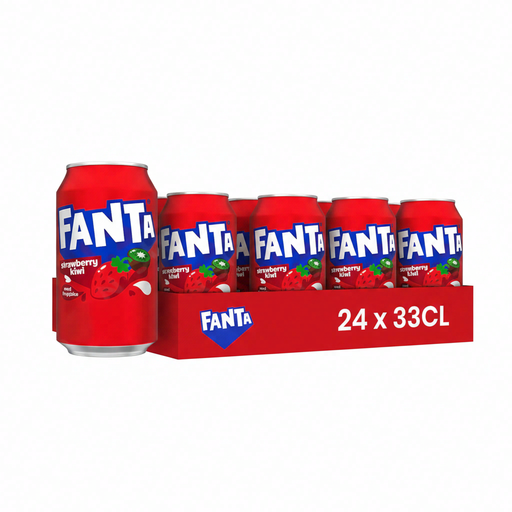
Why this fits the profile: 24 cans of 330 ml are easy to chill, hand out and count at a birthday party, barbecue or office drinks.
The total volume is clear upfront: 24 times 330 ml. The nutritional information states 10.2 grams of sugar per 100 ml, so you can plan your stock consciously.
Strawberry-kiwi flavour, carbonated, 24 cans and a serving size of 330 ml.
We’ve put together a full, up-to-date list of products that fully meet these strict selection criteria and comply with current European safety regulations.
No. Check the nutrition label. Some varieties contain 0 grams of sugar per 100 ml and are sweetened with sweeteners. Other fruit waters contain sugar or fruit juice. So also look at the ingredients list.
Store an opened bottle according to the packaging, usually refrigerated and tightly sealed. The exact period after opening varies by product. Also pay attention to the stated date and do not consume a drink if the packaging is damaged or the smell and taste seem off.
No. A fruity energy drink may contain caffeine, taurine and other added ingredients. Check the amount of caffeine per can and follow the warnings on the label. If you’re simply after a refreshing fruit flavour, you can also choose a regular sparkling fruit drink or a fruit water without caffeine.
That depends on the price per litre, the number of units and your expected consumption. Divide the total price by the total volume and check the best-before date. A value pack is especially practical when you’ll actually use the drinks within that period.
