
Vandaag of morgen in huis

Kwaliteit gegarandeerd

Welkomstaanbiedingen ontgrendelen: GRATIS bezorging | Tot 80% korting | Gratis 30 dagen JoyPlus-proefperiode
Download de app
Buying a fruit-flavoured fizzy drink seems simple, until you have to choose between Japanese ramune, American Fanta, Korean Milkis soda or a multipack for a party. The packaging often features bold colours and words such as “tropical”, “fresh” or “real fruit”. These terms don’t always tell you how much fruit juice the drink actually contains.
There are three common pitfalls:
Use the points below to compare fruity fizzy drinks more practically and avoid a purchase that doesn’t suit your needs.
Check the ingredients list for the exact composition. If it states, for example, 10% pineapple juice or 6.5% orange juice from concentrate, the fruit juice content is clearer than on a product labelled only “fruit-flavoured”.
A drink may also contain flavourings, sugar, glucose-fructose syrup or sweeteners. For example, Hankow Er Chang Pineapple Soda contains 10% pineapple juice, 20% apple juice and pineapple extract. The Huayang orange variety contains concentrated orange and apple juice, and also uses sweeteners.
If you have allergies, always check the current packaging. Milkis Strawberry, for example, contains milk ingredients and may also contain soya. Online product information can change; the ingredients list on the product itself is the definitive source.
Nutritional values per 100 ml make different pack sizes easy to compare. Values across the range vary:
A low energy content doesn’t automatically mean a drink contains no sweeteners. So check both the nutrition table and the ingredients list. If you want to limit your sugar intake, you could also opt for smaller servings rather than choosing based only on flavour or brand.
A fizzy drink multipack is practical for home or a party. Fanta Orange, for example, is available as 24 x 330 ml cans, while Fanta Grape and Fanta Peach come in packs of 12 x 355 ml cans.
A bottle is a better choice if you’re after a more distinctive drinking experience. Ramune is known for its marble-sealed bottle. The 500 ml Hatakosen Ramune is suited to sharing or parties; the 200 ml Sakura version is more compact. Take care when opening and storing glass bottles and bottles with special closures.
Cans of 330 or 355 ml are handy for taking with you. A 1.5-litre bottle, such as 7UP Lemon Lime, makes more sense when several people are sharing. Fizzy drinks should generally be refrigerated after opening and used according to the instructions on the packaging.
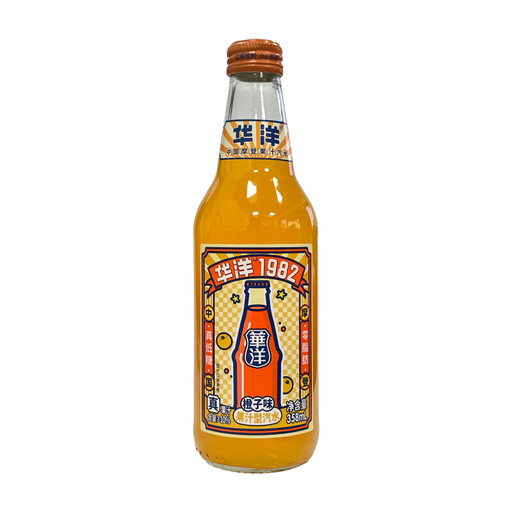
Why it suits this shopper: The 358 ml bottle is a manageable size if you want to try an Asian fruit-flavoured fizzy drink for the first time. The product information lists 16 kcal and 3.3 grams of sugar per 100 ml.
The nutritional values and ingredients are clearly listed, so you don’t have to judge the orange flavour by the packaging alone.
358 ml, orange and apple juice concentrate, 0 grams of fat and ready to drink chilled.
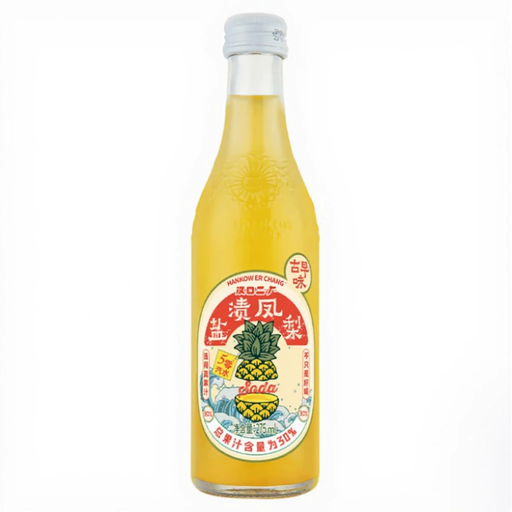
Why it suits this shopper: This Chinese fizzy drink pairs a compact glass bottle with a specified fruit content: 10% pineapple juice, 20% apple juice and pineapple extract.
The fruit ingredients are listed as percentages, helping you distinguish it from fizzy drinks that contain flavourings alone.
275 ml, 27 kcal per 100 ml, 0 grams of fat and ideal for serving chilled with a meal.
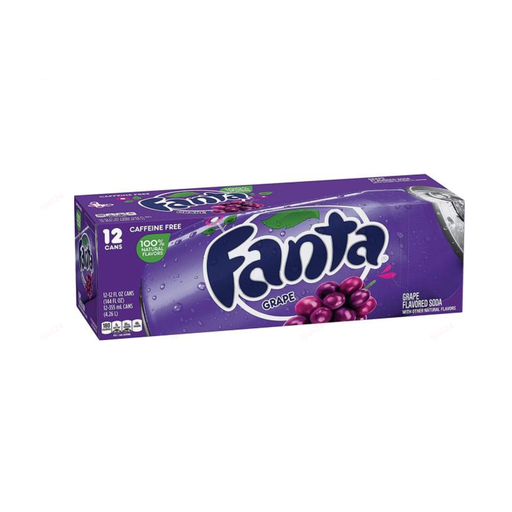
Why it suits this shopper: A multipack of 12 x 355 ml cans is ideal for parties, film nights and households where fizzy drinks are served regularly.
The total quantity and serving size are clear from the outset, so you don’t end up with one large pack when individual cans would be more practical.
12 cans, grape flavour, carbonation and 48 kcal per 100 ml according to the product information.
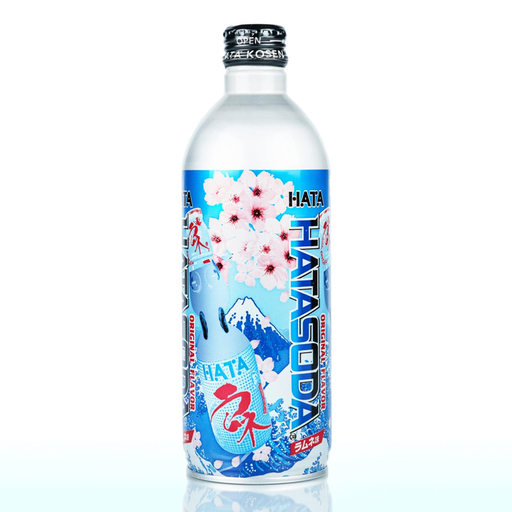
Why it suits this shopper: Japanese ramune pairs a sparkling fizzy drink with a Codd-neck bottle and marble stopper. The bottle is part of the drinking experience.
The bottle holds 500 ml and its distinctive shape is clearly described. You know in advance that you’re choosing it primarily for its Japanese presentation and serving experience.
500 ml, 38 kcal and 9.5 grams of sugar per 100 ml, with no added artificial colourings according to the product description.
We’ve put together a complete, up-to-date list of products that meet these strict selection criteria and the applicable European safety regulations.
If you’re after a softer, creamier flavour, consider Korean fizzy drinks such as LOTTE Milkis Strawberry. It contains milk powder and lists 50 kcal and 12 grams of sugar per 100 ml. Check this product particularly carefully if you have a milk or soya allergy.
For an American fruit-flavoured fizzy drink, Fanta Berry, Fanta Peach and Fanta Pineapple offer a range of fruit flavours. Nutritional values and colourings vary between varieties. Fanta Pineapple lists E102 and E110, among other ingredients; its packaging carries a warning about activity and attention in children.
SANGARIA Hajikete Grape Soda from Japan and Hata Soda Musk Melon also offer distinctive flavours such as grape and honeydew melon. If you’re looking for a larger bottle to keep at home, you could consider 1.5-litre 7UP Lemon Lime. It isn’t an exotic fruit flavour, but it’s a practical choice for serving several glasses.
It varies by product. Hankow Er Chang Pineapple lists 10% pineapple juice and 20% apple juice. Fanta Orange lists 6.5% orange juice from concentrate. Other drinks mainly use flavourings or extracts. So always check the ingredients list for quantities.
That depends on the current price, delivery costs and how much you’ll use. Compare the price per litre and check the total quantity. A multipack is particularly practical for parties or households that drink fizzy drinks regularly, but less suitable if you want to try a flavour first.
Keep an opened bottle or can in the fridge and seal it as well as possible. Follow the instructions on the label and drink it within the stated period. Unopened fizzy drinks should generally be stored somewhere cool and dry, away from direct sunlight.
