
Vandaag of morgen in huis

Kwaliteit gegarandeerd

Welkomstaanbiedingen ontgrendelen: GRATIS bezorging | Tot 80% korting | Gratis 30 dagen JoyPlus-proefperiode
Download de app
Looking to buy fruit drinks online for home, on the go or for a party? You’ll quickly encounter a wide selection: from fruit-flavoured soft drinks and fruit juice to tropical fruit drinks, sparkling fruit drinks and exotic beverages with fruit pieces. Packaging often says more about the flavour than the key differences, which are usually found in the ingredients list, nutritional values and pack size.
This practical buying guide helps you compare fruit drinks based on verifiable product information. That way, you can avoid paying more for eye-catching packaging, buying a large multipack that does not suit your needs or choosing a drink that tastes different from what you expected.
A mango, passion fruit or strawberry on the label does not automatically mean that the drink contains a high percentage of fruit juice. Always check the percentage of fruit juice, purée or concentrate. According to the product information, Oasis Apple Pear contains 12% juice from concentrate: 10% apple and 2% pear. Maaza Guava Fruit Drink contains 16% guava juice from concentrate.
A fruit-flavoured product can therefore be quite different from a fruit juice. Both may be suitable choices, but the distinction affects the flavour, sweetness and price.
The term fruit drink with no added sugar does not necessarily mean that the product contains no sugars. Fruit juice naturally contains sugar. According to the supplied product information, Iam Superjuice Passionfruit is labelled “no added sugar”, with 17 kcal per 100 ml and 30% natural passion fruit juice. Always check the current packaging and nutrition table.
Other drinks do contain added sugar, even when they provide relatively few calories per 100 ml. Therefore, check both the “of which sugars” value and the ingredients list.
A multipack of soft drinks can offer good value per can, but only if you will actually use the contents. A pack of 6 x 330 ml is suitable for several drinking occasions or a small gathering. For a party, 12 x 330 ml, 12 x 355 ml or 12 x 375 ml may be more practical. For the home refrigerator, a 1- or 1.5-litre bottle is often the better choice.
Also consider the packaging: cans chill quickly, while a large bottle needs to be refrigerated after opening and generally consumed within the period stated on the label.
Do not compare only the price of the pack; also check the price per litre. A 330 ml fruit drink is convenient for travelling and avoids leaving a large bottle open for too long. Small 230 or 250 ml cans may be suitable when you prefer a more modest serving.
For multipacks, check:
The nutrition table usually lists values per 100 ml. Convert these figures for the full pack to make a fair comparison. According to the product information, Oasis Apple Pear contains 36 kcal and 8.4 grams of sugar per 100 ml. A 330 ml can therefore contains approximately 119 kcal and 27.7 grams of sugar.
The supplied information lists Mogu Mogu Lychee with nata de coco at approximately 47–54 kcal and 11–13 grams of sugar per 100 ml. Exact values may vary by market or packaging. Always check the current label before purchasing.
Low-calorie varieties may contain sweeteners such as sucralose, acesulfame K or aspartame. If you prefer to avoid these ingredients, choose a product whose ingredients list contains no sweeteners.
Consider whether you are looking for fruit juice, a fruit drink, a fruit-flavoured soft drink or a sparkling fruit drink. Also check for dairy ingredients. According to the product description, Taksi Tropical Fruit is based on fruit drink and dairy ingredients and contains milk as an allergen.
With distinctive flavours, texture is also important. Mogu Mogu contains nata de coco, a jelly-like coconut component. This creates a different drinking experience from that of a smooth fruit juice. For sparkling options such as Bundaberg Passionfruit or Jardin Cafe Real Watermelon Ade, the product information states that they are carbonated.
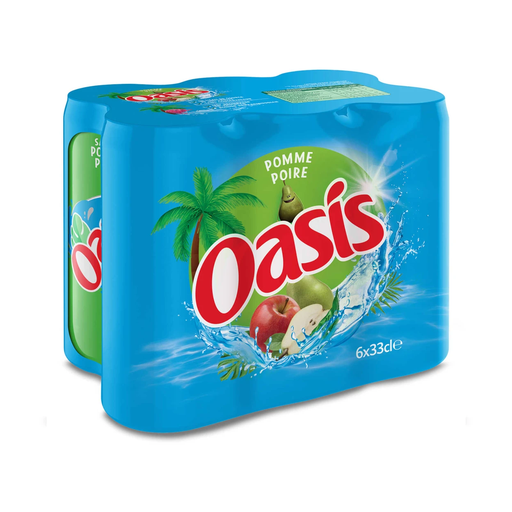
Why it fits: A convenient multipack with small portions for home, on the go or in a lunch box.
The packaging states the juice percentage and nutritional values, so you can distinguish the apple and pear flavour from pure fruit juice.
6 x 330 ml; according to the product information, 36 kcal and 8.4 g of sugar per 100 ml.
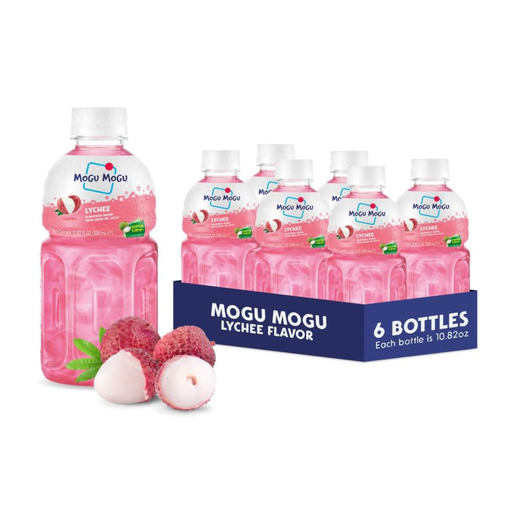
Why it fits: For anyone seeking an exotic lychee-flavoured drink with nata de coco rather than a standard fruit drink.
The product name makes it clear that an additional texture component is present. Check the current ingredients and nutritional values on the label before purchasing.
6 bottles of 320 ml with a distinctive lychee flavour and nata de coco.
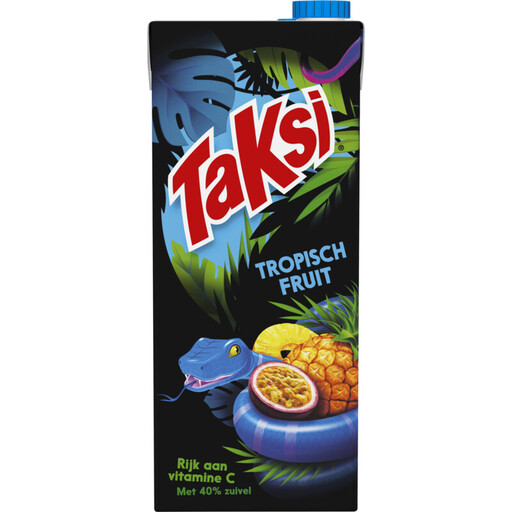
Why it fits: The large bottle is practical for a meal, picnic or several people sharing.
The product information lists fruit concentrates, dairy ingredients and nutritional values. This allows you to compare the drink with a regular tropical soft drink.
1.5 litres; according to the product information, 34 kcal and 7.9 g of sugar per 100 ml. Contains milk.

Why it fits: A tray for home, work, travelling or larger gatherings, with a pronounced passion fruit flavour.
The “no added sugar” claim is supported by specific figures: 30% passion fruit juice and 17 kcal per 100 ml. Check the current packaging before purchasing.
12 x 330 ml; according to the product description, no added sugar and 17 kcal per 100 ml.
Browse a current selection of drinks with verifiable information about flavour, volume, ingredients and nutritional values.
For a gentle, fruity flavour, consider Oasis Strawberry Raspberry or Oasis Apple Cassis Raspberry. Maaza Guava is an option for anyone looking for a smooth guava drink. For a sparkling alternative, choose from Calypso Yuzu Lychee Lemonade, Fanta Strawberry Lemonade and Bundaberg Passionfruit. If you prefer a smaller pack, consider Cantabile Strawberry Ade, Jardin Cafe Real Watermelon Ade, Ice Talk Watermelon or Tymbark Apple Watermelon.
Pay particular attention to sugar values per 100 ml for Fanta, Bundaberg and Calypso. Sprite Zero Sugar is a sparkling lemon-lime drink without sugar, but it contains sweeteners; it is not the same as a fruit drink.
Fruit juice consists of juice or juice from concentrate, while a fruit drink often contains more water, sugar, flavourings or other ingredients. Check the juice percentage and ingredients list on the label.
A can or bottle of 230 to 355 ml is generally easy to take with you. A 330 ml pack provides a standard serving. For several people, a 1- or 1.5-litre bottle is more efficient, although it must be refrigerated after opening.
Always follow the instructions on the label. Many products should be refrigerated after opening and consumed within the stated period. Store unopened drinks in a cool, dry place away from direct sunlight. Check the seal and best-before date before use.
