
Vandaag of morgen in huis

Kwaliteit gegarandeerd

Welkomstaanbiedingen ontgrendelen: GRATIS bezorging | Tot 80% korting | Gratis 30 dagen JoyPlus-proefperiode
Download de app
Would you like to buy fruit drinks for your home, when you’re out and about, or for the whole family? The choice may seem straightforward, but there are major differences between fruit juice, fruit drinks and tropical fruit drinks. A distinctive fruit flavour does not automatically mean a high fruit content. Terms such as “no sugar” and “with vitamins” also need a closer look at the label.
With this practical guide, you can check the contents, nutritional values, allergens and packaging. This helps you avoid buying a large pack that does not suit the way you use it, or choosing a drink based on a claim that says less than you might think.
A product with mango, passion fruit or raspberry flavour may consist largely of water. So check the percentage of fruit juice, fruit purée or juice from concentrate. For example, Wicky Raspberry Fruit Drink contains 0.2% raspberry juice from concentrate. This makes it a raspberry-flavoured fruit drink, rather than the same thing as pure fruit juice.
Taksi Tropical lists 6% fruit juice from concentrate. The drink also contains, among other things, milk ingredients, sugar and cream. This creates a different flavour profile from a clear fruit juice.
A fruit juice with no added sugar may still contain naturally occurring sugars from fruit. So always check the nutrition table, particularly “of which sugars” per 100 ml.
According to the product information, Wicky Raspberry Fruit Drink without sugar contains less than 0.1 grams of sugar and 1 kcal per 100 ml. The sweet taste comes partly from sucralose and acesulfame-K. Taksi Tropical with no added sugar lists 2.4 grams of sugar and 11 kcal per 100 ml. This is therefore not the same as a completely sugar-free fruit drink.
A 1.5-litre fruit drink is convenient for a family or a meal with guests, but once opened, it must be kept chilled and used within the stated period. For individual use, cans or bottles of 238 to 330 ml are often more practical.
With cans, also check the total quantity per pack. A tray of 12 330 ml cans contains almost four litres of drink. This can be useful for stocking up, but less suitable if you want to try different flavours.
Always use the same unit of measurement. This allows you to compare a Wicky fruit drink, Taksi, Maaza guava drink and a tropical drink fairly.
Pay particular attention to:
For example, Maaza Guava Fruit Drink contains 16% guava juice from concentrate, 6.9 grams of sugar and 29 kcal per 100 ml. Sagiko Mango Juice lists 11.9 grams of sugar and 43.75 kcal per 100 ml. Your flavour preference may be the deciding factor, but the nutritional values are clearly different.
Ingredients are listed in descending order by quantity. If water comes first, the product is not pure fruit juice. DİMES Mixed Fruit Juice lists, among other ingredients, apple and quince purée, as well as mandarin and grape juice from concentrate.
Also look out for terms such as “dairy”, “milk permeate” or “cream”. These appear in Taksi and g’woon Zappie. Always check the allergen information when buying for children or when milk needs to be avoided.
After opening, follow the storage instructions on the packaging. Many drinks need to be kept chilled and used within a few days.
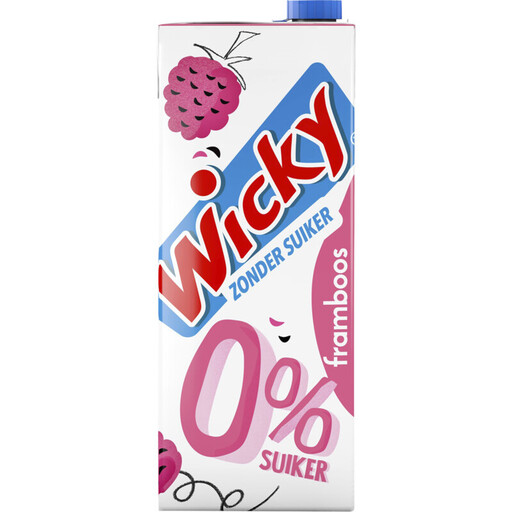
Why it suits this profile: A large pack for the home, with 1 kcal and less than 0.1 grams of sugar per 100 ml according to the product information.
The nutritional values make it clear that this is not an ordinary sugar-sweetened fruit juice. However, the ingredients do list sweeteners.
1.5 litres, raspberry flavour, vitamin E and no reported allergens.
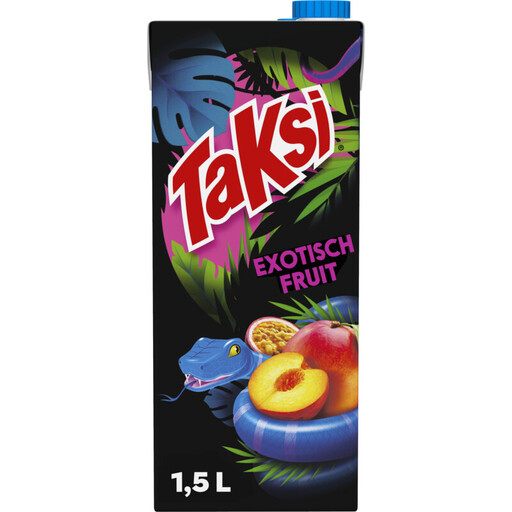
Why it suits this profile: Ideal if you are looking for a creamy tropical drink with mango, passion fruit and peach.
The product information lists 6% fruit juice from concentrate and 7.9 grams of sugar per 100 ml. This makes the ingredients easy to compare transparently.
1.5-litre pack, 34 kcal per 100 ml, and vitamins C and D according to the label.

Why it suits this profile: A tray of 330 ml portions for work, visits, lunchboxes or keeping at home.
The packaging states that it contains 12 individual cans and 30% passion fruit juice. This means you do not need to store a large bottle after opening.
No added sugar according to the product description, 17 kcal per 100 ml and a pronounced passion fruit flavour.
We have put together a complete, up-to-date list of products that fully meet these strict selection criteria and the applicable European safety regulations.
Fruit juice generally consists of fruit juice or juice from concentrate. Fruit drinks may also contain water, sugar, sweeteners, flavourings or other ingredients. So check the fruit percentage and ingredients list rather than relying on the product name alone.
This varies from product to product. Wicky Raspberry Fruit Drink lists less than 0.1 grams of sugar per 100 ml. Taksi Tropical with no added sugar lists 2.4 grams of sugar per 100 ml. A product labelled “no added sugar” is therefore not automatically sugar-free. Teisseire Tropical Squash is also a syrup and must first be diluted; compare the nutritional value according to the recommended dilution.
Always follow the instructions on the packaging. The product information for several of the drinks mentioned states that the packaging should be kept chilled after opening and used within the specified period. Seal the bottle or carton properly and check the best-before date before placing your order.
