
Vandaag of morgen in huis

Kwaliteit gegarandeerd

Welkomstaanbiedingen ontgrendelen: GRATIS bezorging | Tot 80% korting | Gratis 30 dagen JoyPlus-proefperiode
Download de app
A fruit drink seems easy to choose until you start comparing the labels. One pack may describe itself as fruit juice, while another mainly contains water, milk constituents or sweeteners. A claim such as “no added sugar” also does not automatically mean that a drink is low in sugar.
With this practical guide, you can compare the ingredients, nutritional values, vitamins and packaging. That makes it easier to find a fruit drink for breakfast, on the go or for the whole family.
Fruit juice or juice with 100% fruit content is clearly different from a fruit drink with a lower juice percentage. Always check the ingredients list and the fruit percentage. In a product labelled “apple and fruit juice”, apple may make up a large proportion of the composition, while other fruit varieties are present only in small quantities.
A sugar-free fruit drink may be sweetened with sweeteners such as sucralose or acesulfame-K. A drink with no added sugar may also contain naturally occurring fruit sugars. So do not just look at the front of the pack. Also check:
According to the product information, Wicky Raspberry Fruit Drink contains less than 0.1 grams of sugar and 1 kcal per 100 ml. However, the drink does contain sweeteners and 0.2% raspberry juice from concentrate.
A fruit drink with added vitamins may contain vitamin C, D, A, E or several B vitamins. That does not make it equivalent to fresh fruit. According to the brands’ product information, an added vitamin may contribute to the stated nutritional value, but always check the amount per 100 ml and per serving. A large bottle may contain several glasses, making it easy to misjudge the values.
First decide whether you are looking for a fruit drink, fruit juice or multivitamin drink. According to the product information, Appelsientje Blackcurrant Juice is 100% juice from concentrate. Its composition includes apple, white grape and blackcurrant.
By contrast, a tropical fruit drink such as Taksi Tropical Fruit contains 40% milk permeate and 6% fruit juice from concentrate, including apple, pineapple and passion fruit. This is a different type of drink from pure fruit juice and is relevant for people with a milk allergy or lactose sensitivity.
Compare the nutritional values per 100 ml. This makes products in different-sized packs easier to compare.
Some examples from the product information:
A 1.5-litre fruit drink is convenient for several people, but it also contains many individual servings. Work out how much you actually pour into each glass.
Check which vitamins are actually listed in the nutrition table. For example, Roosvicee Multivit Peach lists vitamins B1, B2, B3, B5, B6, B12, C, E and K per 100 ml. Wicky Raspberry lists vitamin E, while Wicky Fruit Juice lists vitamins A and C.
Also check the allergens. Products containing milk constituents, such as various Taksi varieties, list milk as an allergen. With international products such as Mela Watermelon Drink, it is sensible to check the current packaging for language, ingredients and nutritional values before ordering.
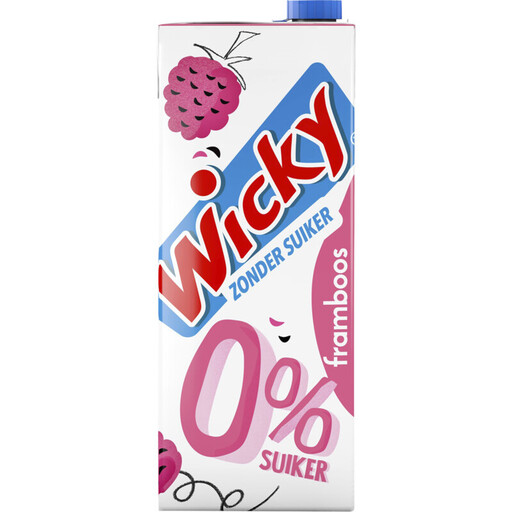
Why it suits this profile: The large pack is suitable for home use, and the product information states that it contains 1 kcal per 100 ml.
The sugar content is clearly stated: less than 0.1 grams per 100 ml. However, the drink contains sweeteners and only 0.2% raspberry juice.
1.5-litre volume, 1 kcal per 100 ml and added vitamin E.
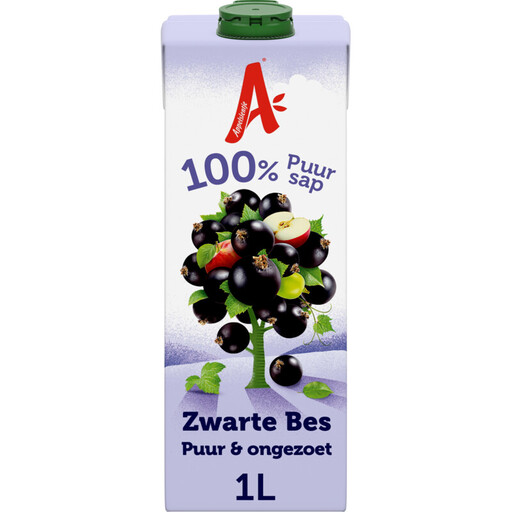
Why it suits this profile: This choice is ideal if a high fruit percentage and a short ingredients list are important to you.
The product information states 100% fruit content and no added sugar. However, the naturally occurring sugars are still present.
Apple, white grape and blackcurrant as the base; 12 mg of vitamin C per 100 ml.
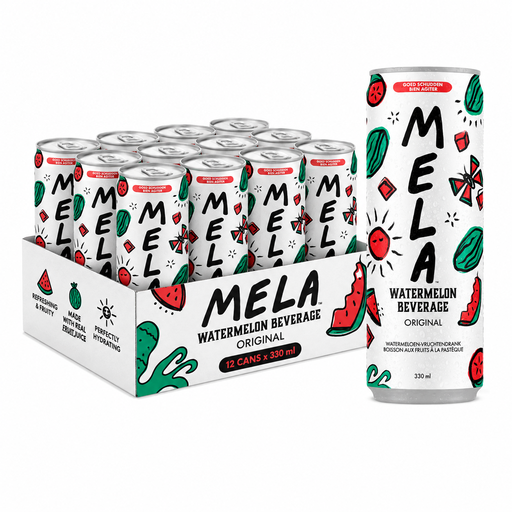
Why it suits this profile: The 330 ml portions are convenient for travelling, at the office or after sporting activities.
The product information states 99% watermelon juice. At the same time, the drink contains cane sugar and 7.6 grams of sugar per 100 ml.
12 cans of 330 ml, watermelon juice as the main ingredient and vitamin C according to the label.
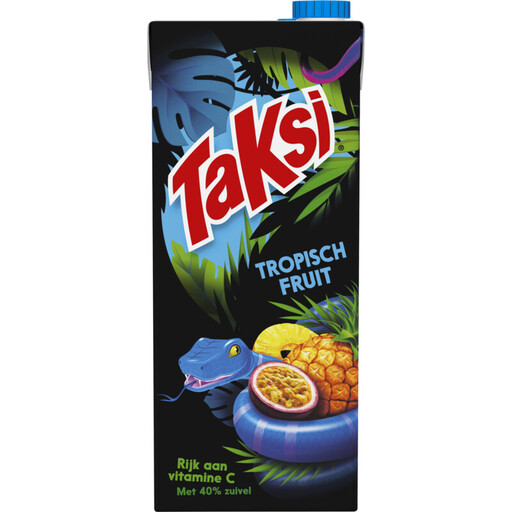
Why it suits this profile: The 1.5-litre pack is suitable for serving chilled at breakfast or with a family meal.
The composition and nutritional values are clearly stated. According to the product information, the drink contains no sweeteners, but it does contain sugar and milk constituents.
Tropical combination of apple, pineapple and passion fruit; 17 mg of vitamin C and 0.75 µg of vitamin D per 100 ml.
According to the product information, an opened fruit drink should be stored in the fridge. Close the cap securely and follow the storage period stated on the packaging. Cans or small bottles make portioning easier, while a large bottle requires more attention to refrigeration and shelf life after opening.
When ordering online, also check:
We have put together a complete, up-to-date list of products that fully meet these strict selection criteria and the applicable European safety regulations.
No. Fruit juice may contain 100% fruit, whereas a fruit drink may also contain water, sugar, sweeteners, milk constituents or a lower percentage of juice. Always check the fruit percentage and ingredients.
This varies by product. Wicky Raspberry states that it contains less than 0.1 grams of sugar per 100 ml. Taksi Tropical with no added sugar states that it contains 2.4 grams of sugar per 100 ml. So “no added sugar” does not mean the same as “sugar-free”.
Most products should be refrigerated after opening and used within the period stated on the packaging. Always close the pack securely. If in doubt, check the smell, taste and use-by information.
