
Vandaag of morgen in huis

Kwaliteit gegarandeerd

Welkomstaanbiedingen ontgrendelen: GRATIS bezorging | Tot 80% korting | Gratis 30 dagen JoyPlus-proefperiode
Download de app
Sometimes you crave a refreshing alternative to water, but without the high sugar content of traditional soft drinks. The shelves are brimming with options, from flavoured water to premium artisanal sodas. But which one is the right choice for you? Not all fruit drinks are created equal, and deciphering labels can feel like a daunting task.
As a Product Recommendation Specialist at Joybuy, my job is to help you make an informed choice. In this article, I'll provide practical tips and a few concrete recommendations based on product specifications. This will make it easier to find a drink that suits your taste and preferences.
Before we dive into the products, here are a few key factors to help you filter through the vast selection.
One of the biggest differentiators is sweetness. Are you looking for a sugar-free soft drink, or do you prefer something with a bit of sugar?
The choice between a carbonated or non-carbonated drink is highly personal. A sparkling beverage can feel extra refreshing, while a still version is often an easier-to-drink, quick thirst quencher. Consider what you're in the mood for: a fizzy drink for social gatherings or a smooth, fruity beverage for on the go?
The term natural soft drink is gaining popularity as brands increasingly use ingredients from natural sources. Check the label for the percentage of fruit juice and whether natural flavourings are used. A higher juice percentage doesn't always mean it's better, but it does give an indication of the flavour intensity.
Based on the criteria above, we've compiled a list of interesting options for you. This selection showcases the diversity available on the market.
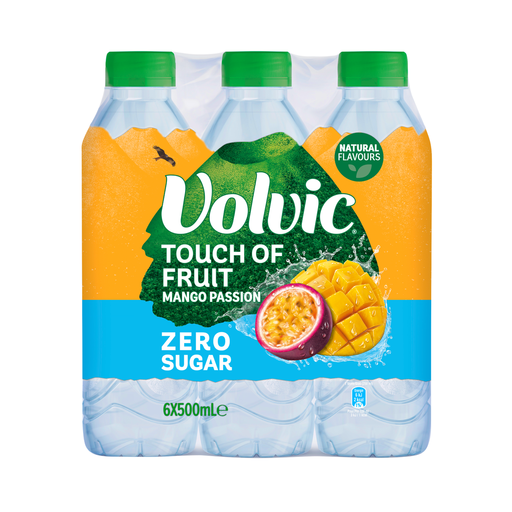
Why it stands out: A subtle flavour experience based on mineral water, with no sugar and virtually no calories.
Product Profile: Volvic Touch of Fruit combines Volvic natural mineral water (99.8%) with a hint of mango and passion fruit flavour. With only 1 kcal per 100 ml and 0 grams of sugar, this is a light and refreshing drink. Its sweetness comes from sweeteners (sucralose and acesulfame-K). It is a still drink, so it is not carbonated.
Who is it for? Ideal for those who want a flavoured beverage to drink throughout the day as an alternative to plain water. It's an excellent thirst quencher for work, during a workout, or in the car.
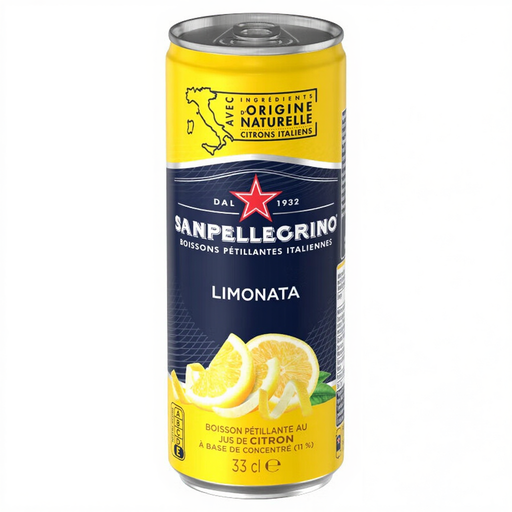
Why it stands out: A classic Italian lemonade with an intense, authentic lemon flavour and a refreshing sparkle.
Product Profile: This sparkling drink is made with 11% lemon juice from concentrate and sugar. According to the manufacturer, it uses sun-ripened lemons from Sicily. With 8 grams of sugar per 100 ml, this is a full-flavoured beverage, perfect for a special treat. It contains no artificial additives. San Pellegrino recommends serving it chilled, optionally with a sprig of mint.
Who is it for? For the enthusiast of a traditional, full-bodied lemonade. Perfect for a sunny afternoon on the patio, with appetisers, or whenever you want to treat yourself to a premium soft drink.
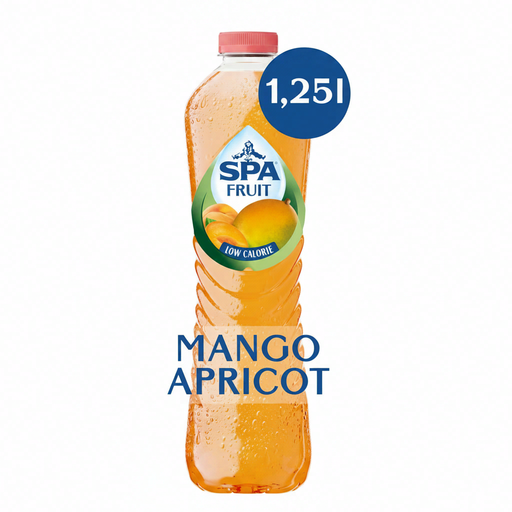
Why it stands out: A low-calorie fruit drink that combines pure mineral water with a significant amount of fruit juice and a natural sweetener.
Product Profile: Spa Fruit Still Mango Apricot is a still fruit drink based on Spa natural mineral water (88.1%) and 10% fruit juice from concentrate. The drink is low in calories (11 kcal per 100 ml) and is sweetened with a combination of sugar and sweetener from stevia. According to Spa, the product contains only ingredients of 100% natural origin and no preservatives.
Who is it for? A great middle-ground option for families looking for a flavourful, yet low-calorie choice. The higher juice content provides a richer taste than flavoured water, while it remains light thanks to the stevia.
This selection provides a good overview of the different types of fruit drinks available. But of course, the range is much wider. Are you looking for other flavours, sparkling varieties, or brands that focus specifically on organic ingredients? Browse our full assortment to find your perfect match.
-> Explore all natural drinks here
1. What is the difference between a fruit drink and fruit juice? The main difference is the percentage of fruit. By law, fruit juice must consist of 100% juice. A fruit drink is a broader category; it is a water-based beverage to which juice, flavourings, and possibly sugar or sweeteners have been added. Therefore, the juice content in a fruit drink is less than 100%.
2. Are low-calorie fruit drinks a better choice? Low-calorie drinks contain significantly less sugar and fewer calories than traditional soft drinks. This can be an advantage if you are monitoring your sugar or calorie intake. They are sweetened with sweeteners. Whether this is a "better" choice depends on your personal preference and dietary needs. It's always a good idea to check the ingredients list.
3. How do I choose a good thirst quencher for everyday use? A few characteristics are important for a daily thirst quencher. Preferably, choose a drink that is low in sugar and calories. A still version (without carbonation) is easier for many people to drink in larger quantities. Ultimately, taste is the deciding factor; choose a light, refreshing flavour that you won't quickly tire of.
