
Vandaag of morgen in huis

Kwaliteit gegarandeerd

Welkomstaanbiedingen ontgrendelen: GRATIS bezorging | Tot 80% korting | Gratis 30 dagen JoyPlus-proefperiode
Download de app
Want to buy fruit drinks online, but unsure whether to choose fruit juice, a low-calorie drink or an authentic Asian beverage? The packaging often tells a very different story from the image. A bottle may look like fruit juice, while the product is mainly made up of water, sugar, sweeteners or flavourings.
Terms such as “no added sugar”, “with vitamin C” and “100% natural” also require a check of the label. Below, you’ll find what to look out for before ordering, with examples for everyday use, families and business stock.
Fruit juice with 100% fruit content is different from a fruit drink containing only a small percentage of juice. According to the product information, Appelsientje Black Currant Juice contains 100% fruit and is made from juice from concentrate, including apple, white grape and blackcurrant. By contrast, g’woon Water Apple Cherry contains 20% fruit juice from concentrate and mineral water.
Neither option is automatically suitable for every situation. If you’re looking for a light thirst quencher, a lower fruit percentage and fewer calories may actually be more important. So always check:
With fruit juice with no added sugar, naturally occurring fruit sugars may still count towards the nutritional values. Appelsientje Black Currant Juice states that it contains 11.7 grams of sugar per 100 ml, despite indicating that only naturally occurring sugars are present.
You should also read “sugar-free” in the context of the label. The product information for OKF Aloe Vera Drink Sugar-Free states 0 grams of carbohydrates and 0 grams of sugars per 100 ml, but does list fructose among the ingredients. If in doubt, check the current packaging and nutrition table before ordering.
A tropical fruit drink, watermelon drink or passion fruit juice can have a distinctive fruity flavour without being made entirely from fruit. According to the product information, Foco Passion Fruit Juice contains at least 25% passion fruit juice. Mela Watermelon Drink Original states that it contains 99% watermelon juice, but also includes ingredients such as cane sugar and natural flavourings.
Also pay attention to the texture. KATO Blackcurrant Juice with Nata de Coco contains 15% nata de coco pieces. That’s ideal if you’re looking for a drink with some bite, but less practical if you’re expecting a smooth juice without pieces.
Don’t just look at the front of the bottle. Ingredients are listed in descending order by quantity. For example, g’woon Zappie Tropical Juice lists water first, followed by a dairy ingredient and 8% fruit juice from concentrate. The product also contains milk, so it isn’t suitable for people who want to avoid milk.
For a genuine fruit flavour, you can compare products based on:
Always compare nutritional values per 100 ml. A 330 ml can contains approximately 3.3 times the value shown on the label. Iam Superjuice Soursop Drink states 18 kcal per 100 ml, while Mela Watermelon Drink states 30 kcal per 100 ml. g’woon Water Apple Cherry contains 9 kcal per 100 ml.
A low-calorie drink is therefore not necessarily sugar-free. g’woon Water Apple Cherry contains 1.9 grams of sugar per 100 ml and uses sweeteners. With a multipack, the total can quickly add up: convert the contents of each bottle or can into the amount you actually drink.
If a product page describes a “vitamin C drink”, check the stated amount. According to the supplied product information, Mela Watermelon Drink contains 200 mg of vitamin C per 100 ml. Appelsientje Black Currant Juice contains 12 mg per 100 ml. Foco Passion Fruit Juice contains 20 mg per 100 ml.
These figures are product specifications, not personal health advice. Brand descriptions of nutritional benefits do not automatically guarantee a particular effect. For the most up-to-date information, use the label on the packaging.
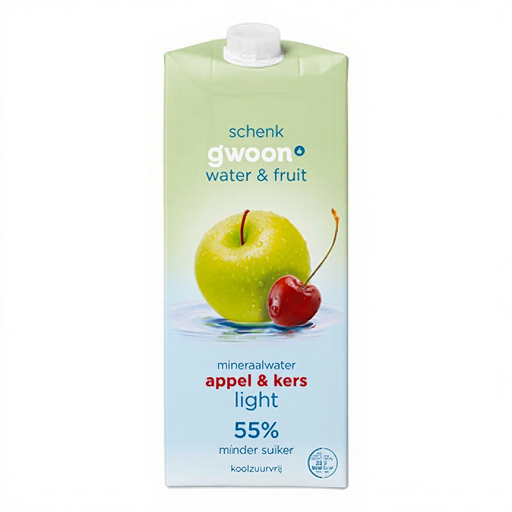
Why it suits this profile: The large 1.5-litre bottle is practical for home use, meals and families looking for a light fruit flavour.
The label states 20% fruit juice from concentrate, so you don’t have to guess the juice content. The drink contains 9 kcal per 100 ml.
1.5 litres per bottle; 8 bottles per multipack; apple and cherry flavour; recyclable bottle according to the product information.
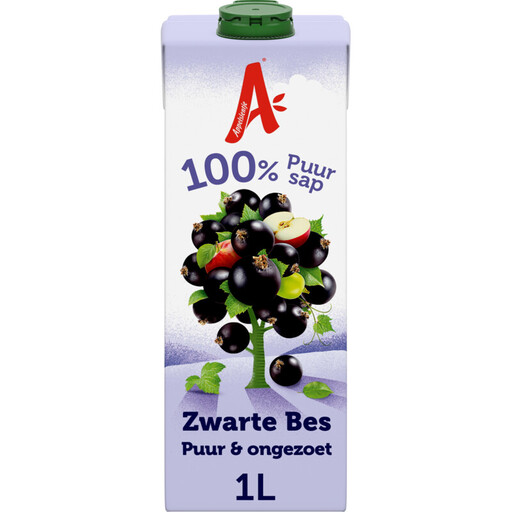
Why it suits this profile: Ideal for anyone who considers a high fruit content and a clear ingredients list more important than a low calorie content.
The product information states 100% fruit content and no added sugar. At the same time, the sugar content of 11.7 grams per 100 ml is clearly stated.
100% fruit; 53 kcal per 100 ml; 12 mg of vitamin C per 100 ml; none of the 14 main EU allergens according to the product information.
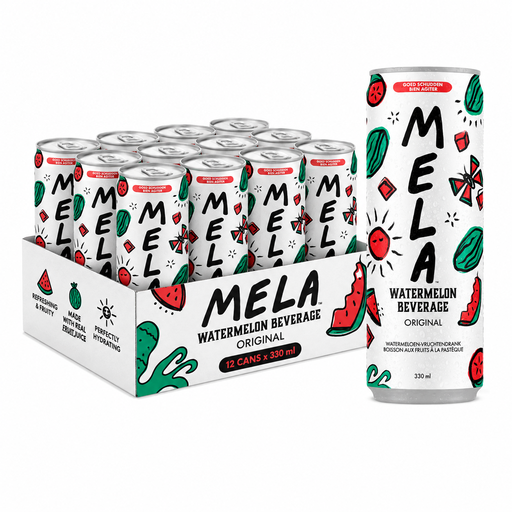
Why it suits this profile: The 12 330 ml cans are ideal for office supplies, events, families or fans of a chilled watermelon drink.
The quantity per can and the ingredients are clearly specified: 99% watermelon juice, cane sugar and natural flavourings. This makes the fruit claim easier to assess.
12 × 330 ml; 30 kcal per 100 ml; 200 mg of vitamin C per 100 ml according to the product information; best served chilled.
We’ve put together a complete, up-to-date list of products that fully meet these strict selection criteria and the applicable European safety regulations.
If you want to try new flavours, there are several options to explore. An Asian drink such as Foco Chrysanthemum Drink contains 90% chrysanthemum extract and 40 kcal per 100 ml according to the product information. It isn’t a fruit drink, but it is an alternative to juice or fizzy drinks.
An aloe vera drink often contains fruit pulp or gel for a different texture. OKF Aloe Vera Drink Kiwi states that it contains 20 kcal per 100 ml, kiwi concentrate and aloe vera pulp. The lychee variant contains 5 grams of sugar per 100 ml. If you’re looking for a multipack, you could also consider OKF Aloe Vera Drink Strawberry or the packs containing 20 bottles of 500 ml.
For a fruity flavour without the typical texture of fruit juice, guava drinks and passion fruit juice are popular choices. According to the product information, Maaza Guava Sugar Free Drink contains 18% guava purée and 11.2 grams of sugar per 100 ml. “Sugar free” therefore does not automatically mean 0 grams of sugar; always check the current nutrition table.
When ordering online, pay attention to the total quantity. A multipack of fizzy drinks is convenient for individual servings, but takes up more storage space. Bottles of 1 or 1.5 litres are suitable for home use, while 330 ml cans are practical for individual consumption.
After opening, many products should be:
Check the best-before date, packaging and any signs of leakage upon delivery. The product page provides a useful indication, but the packaging remains the definitive source for current storage and usage information.
Fruit juice generally contains a higher percentage of juice or fruit. A fruit drink may also contain water, sugar, sweeteners, flavourings or other ingredients. So check the fruit percentage and the full ingredients list.
That depends on the portion you choose. In the supplied product information, g’woon Water Apple Cherry contains 9 kcal per 100 ml, OKF Aloe Vera Drink Kiwi 20 kcal and Iam Superjuice Soursop Drink 18 kcal. Always compare the values per 100 ml and per bottle or can.
Follow the instructions on the packaging. Many fruit drinks need to be refrigerated after opening and consumed within the stated period. The shelf life when unopened and the period after opening are not the same.
