
Vandaag of morgen in huis

Kwaliteit gegarandeerd

Welkomstaanbiedingen ontgrendelen: GRATIS bezorging | Tot 80% korting | Gratis 30 dagen JoyPlus-proefperiode
Download de app
Buying a fruit drink online may seem straightforward, but the range varies considerably. A bottle might contain fruit juice, a fruit drink, a fizzy drink with fruit flavour or a drink with nata de coco. Terms such as “with vitamins” and “sugar-free” don’t tell the whole story either.
Use these practical checks to compare products by their label, nutritional values, size and intended use. That way, you can avoid paying mainly for the packaging or marketing.
A product with “juice” on the front doesn’t have to be made from 100% fruit. Check the fruit juice percentage in the ingredients list. For example, Appelsientje Black Currant Juice states that it contains 100% fruit and is made from juice from concentrate. Other products in this selection contain, for example, 2%, 6%, 15% or 20% fruit or fruit juice.
A lower juice percentage isn’t automatically a bad thing. It simply means the drink is a different type of product, with a different flavour profile. If you’re looking for a light drink to quench your thirst, you may prefer a fruit drink to a full-strength juice.
A sugar-free fruit drink may contain sweeteners. Wicky Raspberry Fruit Drink states that it contains less than 0.1 grams of sugar and 1 kcal per 100 ml, but according to the product information, it also contains sucralose and acesulfame K. So always check both the “of which sugars” line and the ingredients list.
Sugar levels can be higher in a regular forest fruit or berry drink. Appelsientje Black Currant states that it contains 11.7 grams of sugars per 100 ml, with only naturally occurring fruit sugars present, according to the product information. This doesn’t make it equivalent to a sugar-free option; they’re different choices.
A fruit drink with added vitamins may be worth considering if you’re specifically looking for a fortified drink. If so, check the amount per 100 ml or per glass, rather than relying on the front of the packaging.
According to the product information, Roosvicee Multivit Forest Fruits contains several vitamins, including B vitamins, C, E and K. The packaging states that one glass provides 30% of your daily vitamin requirement. This is a claim made by the brand, so check the current nutritional information on the packaging. Added vitamins also tell you nothing about the juice percentage or sugar content.
Pay attention to the order of the ingredients: those listed first are generally present in the largest quantities. Also check for:
For a nata de coco drink, texture is an important part of the choice. According to the product information, KATO Blackcurrant Juice with Nata de Coco contains 15% nata de coco. Mogu Mogu Strawberry states that it contains 25% nata de coco and comes in a multipack of 6 x 320 ml. These drinks have a different texture from smooth fruit drinks.
Always use the same unit of measurement. A 1.5-litre bottle may seem like good value, but the sugar and energy content per glass is a better guide to whether the drink suits your needs.
Some figures from the product information:
A 200 ml glass will, of course, contain roughly twice the amount stated per 100 ml. Use the nutritional information on the label as your guide, as recipes and packaging can change.
A 1.5-litre fruit drink is a good choice for breakfast, family use or a party. A multipack can be handy when several people enjoy the same flavour, but compare the total price and how long it will keep once opened.
Smaller packs are more practical on the go. According to the product information, the 1.2-litre pack of DubbelFrisss Boost Forest Fruit Apple comes with a straw and is designed for drinking on the go. For an individual serving, a 250 or 500 ml bottle is more convenient, although the price per litre may be higher.
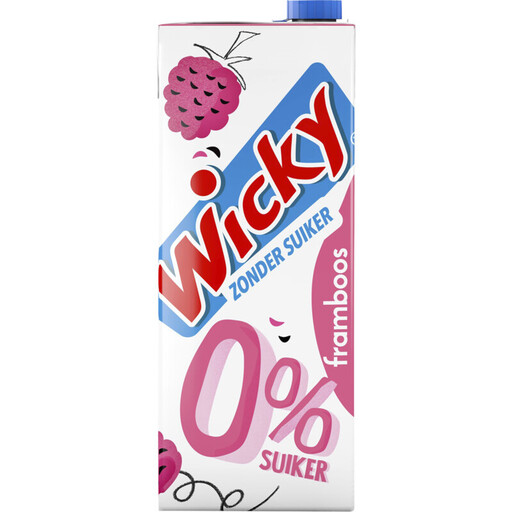
Why it suits this profile: A large bottle with a raspberry flavour for enjoying at home. According to the product information, it contains 1 kcal per 100 ml.
The nutritional information and sweeteners are clearly listed, so “sugar-free” isn’t mistaken for a product with no sweeteners.
1.5 litres; 1 kcal and less than 0.1 grams of sugar per 100 ml, according to the product information.
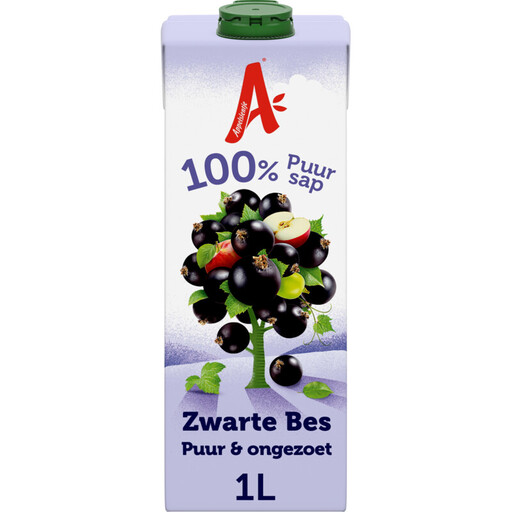
Why it suits this profile: For anyone who prioritises a high fruit content and a rich berry flavour.
The product information states that it contains 100% fruit and makes clear that it contains naturally occurring fruit sugars.
100% fruit content; 12 mg of vitamin C per 100 ml, according to the product information.
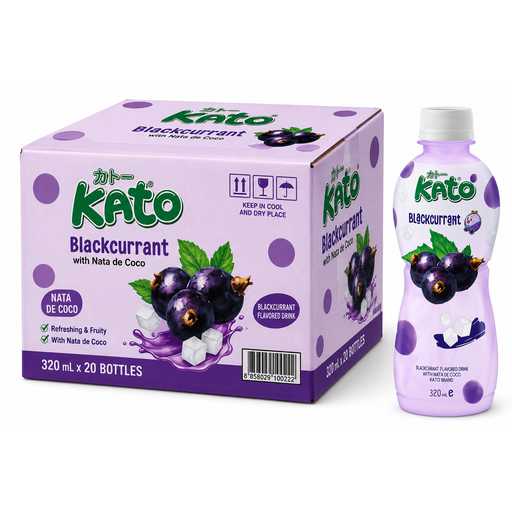
Why it suits this profile: A handy choice for stocking up at home, parties or anyone looking for a berry drink with a satisfyingly chewy texture.
The multipack format and 15% nata de coco content make the serving size and texture clear from the outset.
24 x 320 ml bottles; 15% nata de coco, according to the product information.
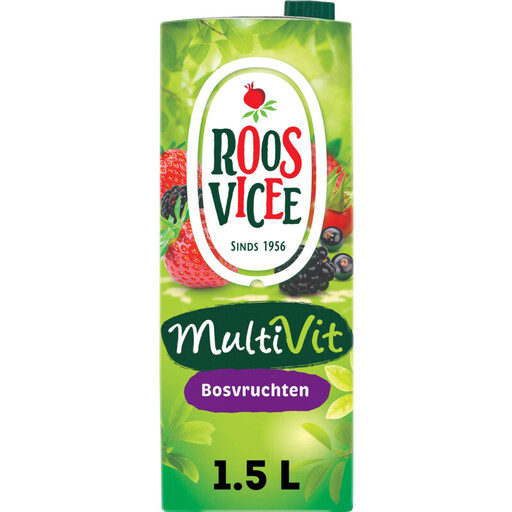
Why it suits this profile: For households looking for a forest fruit drink with added vitamins.
The product information lists the vitamins individually and also states that it contains 12 grams of sugar per 100 ml, so you can weigh up both factors.
1.5-litre pack; several added vitamins, according to the product information.
We’ve put together a complete, up-to-date list of products that meet these strict selection criteria and the applicable European safety regulations.
Compare the “of which sugars” figure per 100 ml. Wicky Raspberry Fruit Drink and DubbelFrisss Apple Blackcurrant both state that they contain around 1 kcal per 100 ml, but they use sweeteners. So remember to check the ingredients list too.
It depends on the ingredients and how you use it. Fruit juice may have a higher fruit content, but it can also contain more natural sugars. A fruit drink may have fewer calories, but it could contain sweeteners or have a lower juice percentage. Check the full nutritional information rather than relying on the front of the pack.
Most opened fruit drinks should be kept chilled and used within the time stated on the packaging. Close the bottle securely and always check the manufacturer’s storage advice and use-by or best-before guidance. With a multipack, unopened individual portions are often easier to store than one large bottle.
