
Vandaag of morgen in huis

Kwaliteit gegarandeerd

Welkomstaanbiedingen ontgrendelen: GRATIS bezorging | Tot 80% korting | Gratis 30 dagen JoyPlus-proefperiode
Download de app
Buying a fruit drink seems simple, until you compare the labels side by side. Tropical packaging may contain very little fruit, “no added sugar” does not automatically mean sugar-free, and a multipack is not always better value when you compare the contents per litre.
As a Joybuy Product Recommendation Officer, I filter product information for practical details: fruit percentage, sugar content, serving size, ingredients, allergens and storage instructions. This helps you quickly see which drink is right for enjoying at home, taking on the go or keeping in stock for the family.
A fruit drink with no added sugar may still contain natural sugars from fruit. Manufacturers may also use sweeteners. So don’t just look at the front of the pack; also check:
According to the product information, Wicky Raspberry Fruit Drink contains less than 0.1 grams of sugar and 1 kcal per 100 ml, but it does contain sweeteners. Capri-Sun Monster Alarm Zero Sugar also states that it contains no sugar and uses sweeteners. These drinks are practical for anyone looking to limit their sugar intake, but the taste and ingredients remain a matter of personal preference.
A mango fruit drink or passion fruit drink can have a pronounced fruity flavour without the product consisting mainly of fruit. According to the label, RUBICON Boisson mangue contains 8% mango purée. Maaza Mango Drink states that it contains 17% mango purée and 46 kcal per 100 ml. In Taksi Tropical Fruit Juice, the fruit juice portion consists of 6% juice from concentrate, combined with 40% milk components.
So compare the percentage of fruit or purée. A product with a lower fruit percentage can still taste delicious, but the description “exotic fruit drink” says little about the actual composition on its own.
A fruit drink multipack is useful for families, offices or parties. At the same time, a case of 12 cans or several bottles takes up space. Before buying, check:
Many drinks advise: keep refrigerated after opening and consume according to the instructions on the label. The packaging should always be treated as the definitive source, as storage information may vary by batch.
“Fruit drink”, “juice from concentrate” and “drink based on fruit juice and dairy” are not the same. A guava drink such as Maaza Guava Fruit Drink contains 16% guava juice from concentrate, according to the product information. T.A.S. Tamarind Drink states that it contains 30% tamarind pulp, with a distinctive sweet-and-sour flavour.
If you’re looking for a tropical fruit drink, it’s best to decide first which flavour profile you prefer:
Compare the nutritional table per 100 ml. Here are some examples from the available product information:
Also look out for the statement “contains naturally occurring sugars”. Taksi 300 ml contains no added sugar, but it is sweetened with sucralose and contains milk components. That is different from a drink with no sweeteners.
A 1- or 1.5-litre bottle is suitable for breakfast, guests or family use. Smaller 200 to 330 ml packs are easier to take with you and reduce the amount that needs to be stored after opening.
For drinking on the go, Capri-Sun packs of 10 × 0.2 litres are practical. For stocking up, Maaza Mango 6 × 1 litre or Iam Superjuice Passionfruit 12 × 330 ml are more logical choices. Do check the price per litre, though, as smaller packaging can work out more expensive per millilitre.
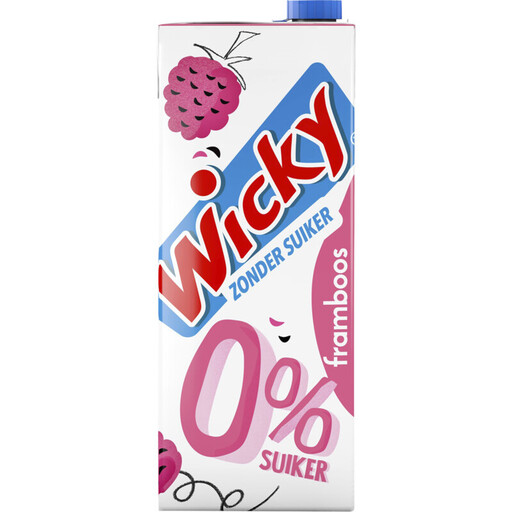
Why it suits this profile: A large bottle is suitable for sharing at home, and the product information provides clear nutritional values per 100 ml.
The packaging states less than 0.1 g sugar and 1 kcal per 100 ml. The ingredients list also shows that sweeteners are used.
1.5 litres, 1 kcal per 100 ml and added vitamin E according to the product information.
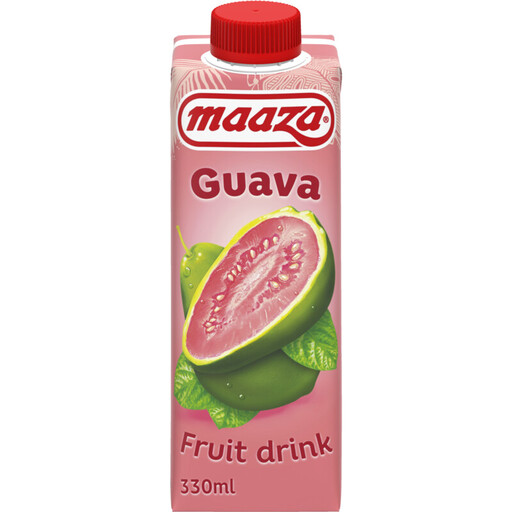
Why it suits this profile: Suitable for anyone looking for a distinctive, aromatic guava flavour in an individual bottle.
The label states 16% guava juice from concentrate and 6.9 g sugar per 100 ml. You therefore don’t have to rely solely on the tropical packaging.
330 ml per bottle, 16% guava juice from concentrate and, according to the product information, none of the 14 major EU allergens.

Why it suits this profile: A multipack for passion fruit lovers and households that regularly serve small cans.
The product information states 30% natural passion fruit, no added sugar and 17 kcal per 100 ml. Check the current packaging for the definitive details.
12 cans of 330 ml, a pronounced passion fruit flavour and suitable for serving chilled.
We’ve put together a complete, up-to-date list of products that fully meet these strict selection criteria and the applicable European safety regulations.
Fruit juice with dairy has a different mouthfeel and may contain milk components. According to the ingredients list, Taksi Tropical Fruit Drink contains 40% milk permeate and less than 0.1% cream. The 1.5-litre version contains sugar and states that it has 7.9 grams of sugar per 100 ml. The 300 ml version contains no added sugar, but does contain sweetener.
Do you have a milk allergy or avoid dairy? Always check the allergen information on the current packaging. Product details on online shops may change.
No. “No added sugar” means that no sugar was added during production. Fruit may naturally contain sugars. Some varieties also contain sweeteners. So check the nutritional table and ingredients list.
That depends on the price and total volume. Divide the price by the number of litres before ordering. A 1.5-litre bottle may offer better value per litre for home use, while individual bottles or pouches are more convenient for school, work or drinking on the go.
Follow the instructions on the label. Many fruit drinks need to be refrigerated after opening and consumed within the stated timeframe. Seal the bottle securely and check the best-before and storage information on the packaging before use.
