
Vandaag of morgen in huis

Kwaliteit gegarandeerd

Welkomstaanbiedingen ontgrendelen: GRATIS bezorging | Tot 80% korting | Gratis 30 dagen JoyPlus-proefperiode
Download de app
Would you like to buy fruit drinks for home, on the go or for a dinner party? You’ll soon find plenty of different options, from tropical fruit drinks in 330 ml cans to 1-litre bottles and multipacks. The packaging often highlights terms such as “natural”, “light” or “no added sugar”, but these words do not tell the whole story.
Pay particular attention to the ingredients list, nutritional information, fruit juice content and pack size. This helps you avoid paying more for a small pack, choosing a flavour that does not suit you or confusing a fruit drink with fruit juice.
A fruit drink with no added sugar may still contain naturally occurring sugars from fruit. So check the nutrition table and look at the amount of carbohydrate and sugars per 100 ml. For example, Iam Superjuice Mango lists 17 kcal per 100 ml, while the product information says that the drink is sweetened with steviol glycosides.
Even with a low-calorie product, the serving size remains important. A 330 ml can contains more than three times the amount shown per 100 ml on the label. So do not compare figures only per 100 ml; also compare them per can or glass.
The terms fruit juice and fruit drink are sometimes used interchangeably in online shops. Check the ingredients. A drink may contain, for example, 30% mango, passion fruit or guava juice, while a fruit-flavoured soft drink may consist mainly of water, sugar, flavourings and acidity regulators.
Jarritos Mango, for example, lists carbonated water, sugar and natural mango flavouring. Fruit.B x Tropical Pineapple Slice Drink contains, among other ingredients, 2.85% pineapple pieces and 0.17% pineapple juice concentrate. These are different formulations from a drink with a higher fruit juice content.
A 1-litre carton is convenient for a family, but once opened it must be refrigerated and used within the period stated on the packaging. 330 ml cans are suitable for individual servings and sharing, but a multipack takes up more storage space.
So compare the price per litre as well as per serving. A fruit drink multipack such as 12 × 330 ml contains 3.96 litres in total. This may be practical for a household or a well-stocked cupboard, but less suitable if you only occasionally want to try a new flavour.
The fruit percentage indicates how much juice, purée or fruit content the drink contains. It does not automatically tell you anything about taste or nutritional value, but it does help you compare products fairly.
Examples from the range:
“Not from concentrate” and “from concentrate” describe production methods; they are not a guarantee of a particular flavour. So also check the ingredients and nutritional information.
If you are looking for a low-calorie fruit drink, compare products based on kcal per 100 ml. According to the product information, the Iam Superjuice flavours mentioned contain approximately 15 to 18 kcal per 100 ml. The lychee drink lists 15 kcal and the pink guava drink 16 kcal per 100 ml.
Other drinks contain sugar or syrup. Jarritos Mango lists real sugar as an ingredient. Fruit.B x Tropical Pineapple Slice Drink lists glucose-fructose syrup and sugar, with 51 kcal per 100 ml. Fristi Red Fruit is a drinking yoghurt made with milk and sugar, and contains 41 kcal per 100 ml.
Also check whether you want to avoid sweeteners. A product with no added sugar may still contain sweeteners. The full ingredients list on the packaging remains the definitive source.
Pay attention to the difference between a can, bottle and carton. Unopened drinks should generally be stored in a cool, dry place away from direct sunlight. Once opened, the usual advice is: refrigerate and consume within the stated period.
For drinks containing milk, such as Fristi, refrigeration after opening is particularly important. When buying online, always check the current packaging, allergen information and best-before date. Product specifications can change; the label is the most up-to-date source.

Why it suits this profile: A familiar mango flavour in a tray of 12 330 ml servings, convenient to keep at home or share with several people.
The product information lists 30% mango juice, no added sugar and 17 kcal per 100 ml. However, check these details on the current label.
30% mango juice; 12 × 330 ml; described as having no added sugar.
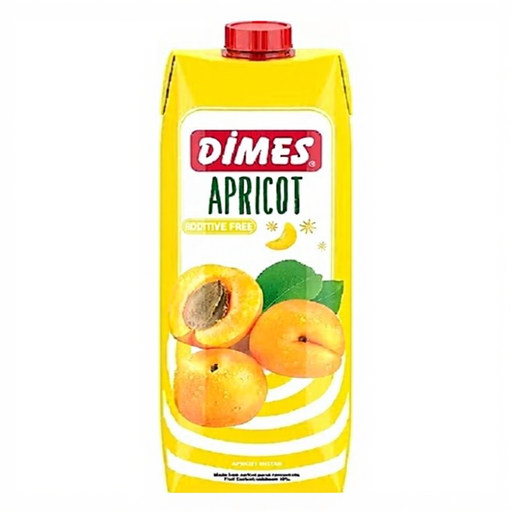
Why it suits this profile: Ideal if you want a full apricot flavour and a larger carton to serve with meals or share.
The stated content of more than 40% apricot purée makes the formulation clearer than a product that only mentions a fruit flavour.
1-litre pack; more than 40% apricot purée according to the product information; 50 kcal per 100 ml listed.

Why it suits this profile: The 12 individual cans are practical for work, travelling, meals and topping up your cupboard.
The packaging clearly shows the number of servings and total volume. According to the product information, the drink contains 30% passion fruit juice and no added sugar.
30% passion fruit juice according to the product description; 12 × 330 ml; 17 kcal per 100 ml listed.
We have put together a complete, up-to-date list of products that fully meet these strict selection criteria and the applicable European safety regulations.
Fans of Asian fruit drinks can also explore lychee, mangosteen, soursop and pink guava. Iam Superjuice Lychee Drink lists 30% lychee juice and 15 kcal per 100 ml. The pink guava drink lists 30% pink guava juice and 16 kcal per 100 ml. For a distinctive tropical flavour, there is also soursop, often called guanabana in the Netherlands.
If you prefer a fresher berry flavour, consider cranberry or cherry drinks. g’woon Cranberry Drink Classic contains 31.5% fruit juice from concentrate. Dimes Sour Cherry Drink is a 1-litre drink made with sour cherry juice from concentrate. For both products, always check the current nutrition table, as the available product information is not fully consistent for all nutritional values.
A 330 ml can is convenient if you want a set portion without having to store an opened carton. A 1-litre carton is usually better value per litre for families, but must be refrigerated after opening. Choose a multipack if you already know you like the flavour and use several servings a week.
Compare the kcal per 100 ml shown on the label. The product information mentioned above lists Iam Superjuice Lychee at 15 kcal, Pink Guava at 16 kcal, and Mango and Passionfruit at 17 kcal per 100 ml. “Low-calorie” does not automatically mean sugar-free or suitable for every dietary choice.
Always follow the instructions on the packaging. In general, opened fruit drinks should be refrigerated and consumed within the stated period. Shake drinks containing purée or fruit pieces if recommended on the label. Also check the closure and do not use packaging whose seal was damaged before opening.
