
Vandaag of morgen in huis

Kwaliteit gegarandeerd

Welkomstaanbiedingen ontgrendelen: GRATIS bezorging | Tot 80% korting | Gratis 30 dagen JoyPlus-proefperiode
Download de app
Buying a fruit drink seems straightforward – until you get home and discover a carton contains less fruit than the front suggests, a multipack works out relatively expensive, or a drink doesn’t suit your needs. For families, school lunchboxes and on-the-go occasions, flavour, sugar content, portion size and shelf life are the key factors.
As a Joybuy Product Recommendation Officer, I filter product information by verifiable points. This helps you see more quickly which fruit drink matches your usage, without relying on marketing claims.
A carton featuring mango, passion fruit or guava doesn’t necessarily contain a high proportion of fruit juice. Always check the ingredients list. There, the percentage of juice or purée is usually stated.
For example:
So a tropical fruit drink isn’t automatically the same as fruit juice.
Juice with no added sugar can still contain naturally occurring fruit sugars. Appelsientje 100% Pure Golden Apple Juice contains 10.3 grams of sugar per 100 ml according to the nutritional information, despite the claim that no sugar has been added.
Other products use sweeteners. Wicky Mango Fruit Drink states less than 0.1 gram of sugar per 100 ml, but it does contain sucralose and acesulfame-K. So don’t just look at the front – also check:
A 1-litre or 1.5-litre fruit drink might seem practical for home, but once opened it usually needs to be kept refrigerated and used within the time stated on the pack. Smaller cartons are more convenient for school and on the go, but can be more expensive per litre.
So compare the price per litre, the total volume and how you plan to use the drink. A 10-pack of fruit drinks is handy for a family or a day out, while a tray of 12 × 330 ml cans might suit adults stocking up.
Make a distinction between:
If you’re looking for a distinctive mango drink, passion fruit drink or guava drink, it’s worth comparing the fruit percentage alongside the flavour description.
Use the per 100 ml table to compare products fairly. A 200 ml serving contains roughly double the values per 100 ml. Capri-Sun Cherry, for example, lists 8.2 grams of sugar per 100 ml; a 200 ml pouch therefore works out at around 16.4 grams of sugar.
For products labelled “no added sugar”, the sweet taste may come from fruit or sweeteners. That’s a product choice, not a general quality judgement. Always read the label on the actual pack.
If you have children or family members with allergies, check the allergens. Some varieties of g’woon Zappie and Taksi contain milk ingredients, while several Capri-Sun products state they contain none of the 14 major EU allergens according to the product information.
Also pay attention to the packaging:
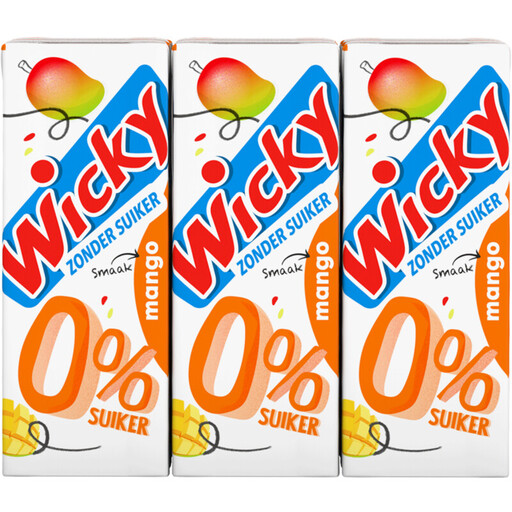
Why this fits the profile: The small packs are suitable for families who want to buy portions for school or on the go without committing to a large stock.
The nutritional information states less than 0.1 gram of sugar per 100 ml. At the same time, the ingredients list shows that sweeteners are used and that the mango juice percentage is 0.2%.
6 × 200 ml, added vitamin C according to the product information and none of the 14 major EU allergens listed.

Why this fits the profile: Ideal for fans of a distinct tropical flavour who want a tray of cans to share or keep chilled.
The product information states 30% passion fruit juice and no added sugar. Do check the actual pack when you buy.
12 cans of 330 ml, 17 kcal per 100 ml according to the product information and intended to be served chilled.
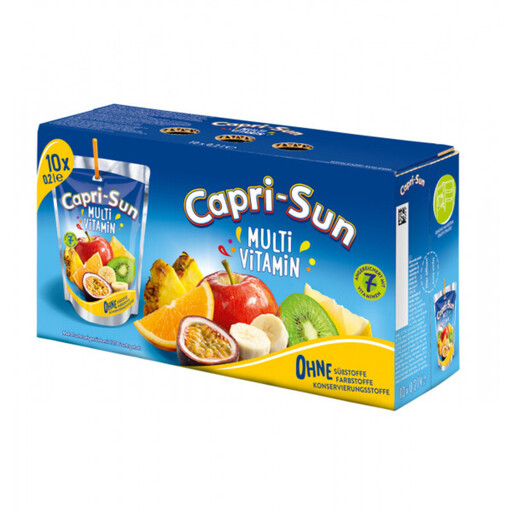
Why this fits the profile: A Capri-Sun multipack is practical for days out, children’s parties and households that need several portions at once.
The fruit content of 10% and the nutritional value of 7.1 grams of sugar per 100 ml are stated. This allows you to compare the portions with other children’s drinks.
10 × 200 ml, a blend of several fruit flavours and according to the product information vegan, lactose-free and free from artificial sweeteners.
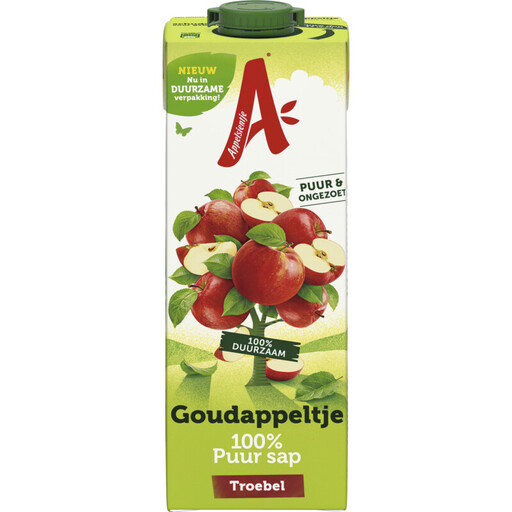
Why this fits the profile: A suitable choice for breakfast or home use when you specifically want 100% fruit juice rather than a blended fruit drink.
The product description states 100% fruit content and only concentrated apple juice with vitamin C. No sugar is added, but naturally occurring sugars are present.
1-litre carton, 100% fruit juice according to the product information and 10.3 grams of sugar per 100 ml stated in the nutritional table.
We’ve put together a full, up-to-date list of products that fully meet these strict selection criteria and comply with current European safety regulations.
Fruit juice consists wholly or largely of juice, whereas a fruit drink usually combines water, juice or purée, sugar, sweeteners and flavourings. Check the stated fruit percentage and the ingredients list.
No. Fruit naturally contains sugar. “No added sugar” means that no extra sugar has been added according to the product information. Check the nutritional value per 100 ml for the actual sugar content.
This varies by product. Generally, store opened drinks in the fridge, seal the pack tightly and follow the time stated on the label. A 1-litre carton may therefore be less practical if it’s drunk slowly.
