
Vandaag of morgen in huis

Kwaliteit gegarandeerd

Welkomstaanbiedingen ontgrendelen: GRATIS bezorging | Tot 80% korting | Gratis 30 dagen JoyPlus-proefperiode
Download de app
Choosing a fruit drink might seem straightforward, but the range on offer varies enormously. Fruit juice, fruit-flavoured fizzy drinks, pure fruit juice, sparkling fruit drinks and fruit cordials each have a different composition and are suited to different occasions. Alcoholic options such as fruit beers or spritzers also fall under the same search for many shoppers.
However, the packaging doesn't always tell the full story. So pay particular attention to these three common pitfalls:
Look at the order of ingredients on the label. Ingredients are usually listed from largest to smallest quantity. A product with water and sugar at the top has a different composition to a drink where fruit juice features prominently.
With Dimes Sour Cherry Drink, the product description lists water, sour cherry juice from concentrate and sugar. Tymbark Sour Cherry Apple Drink states 14% apple juice from concentrate and 6% cherry juice from concentrate. This makes these drinks suitable for consumers looking for a clear fruit component, but they are not the same as pure fruit juice.
With an Asian fruit drink, such as McNulty Green Grape Ade, the label includes white grape juice concentrate, sugar, grape flavouring and sweetener. The drink has a recognisable grape flavour, but its composition differs from fruit juice.
Always compare the same quantity: per 100 ml. This stops a small portion from looking more favourable than a large bottle.
Some examples:
A low sugar content can go hand in hand with sweeteners. If you prefer to avoid them, it's a good idea to read the full ingredients list. A product description or the front of a bottle is no substitute for the label.
Fruity drinks can contain alcohol. Liefmans Peach on the Rocks is a flavoured fruit beer with 4 x 250 ml. The ingredients include 13% peach, malt, fruit syrups and sweetener. The product contains barley and wheat.
Amstel Radler Fruity Cider contains 2.0% alcohol and 5% fruit juice from concentrate, including lemon, orange, lime and acerola juice. Gallo Spritz Raspberry & Lime contains 5.5% alcohol and sulphites. Chamisul Grapefruit has 13.0% alcohol and Oppa Peach Soju 12% alcohol. So check the alcohol percentage before you order and drink responsibly.
Storage also differs. Drinking yoghurt with fruit must be kept refrigerated after opening. For cordial, such as Raak Grenadine or Raak Reine Claude, refrigeration after opening is also part of the product instructions. A fruit cordial is also concentrated: according to the product information, Raak Grenadine is mixed with one part cordial to seven parts water.
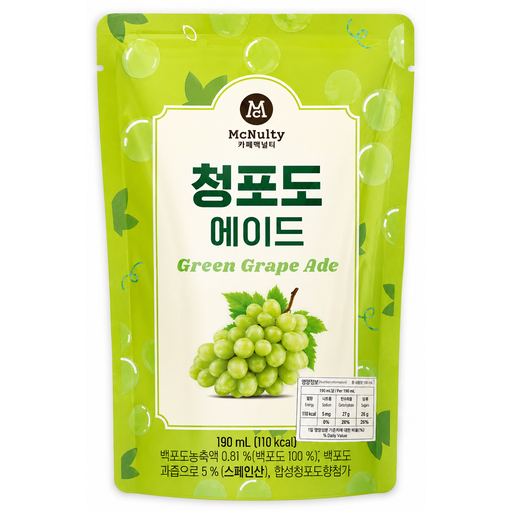
Why this fits the profile: The small size is practical for a single serving, lunch or trying an international fruit drink from South Korea for the first time.
The product information clearly states grape juice concentrate, sugar, flavouring and sweetener. This shows you it's a flavoured drink, not pure fruit juice.
190 ml per pack; 58 kcal and 13.2 grams of sugar per 100 ml; no allergens listed in the product data.
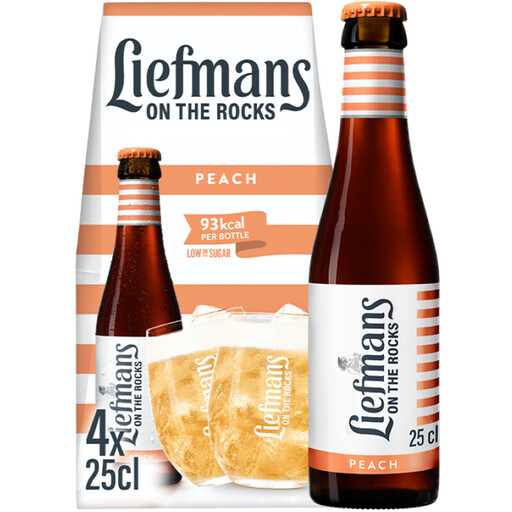
Why this fits the profile: A fruit beer in a multipack for a drink or meal where a pronounced peach profile is desired.
The alcohol type and volume are clearly stated. The ingredients include 13% peach, malt and wheat, so you can take flavour and allergens into account.
Four 250 ml bottles; flavour notes of peach, apricot, lime and pineapple according to the product description; 4% alcohol.
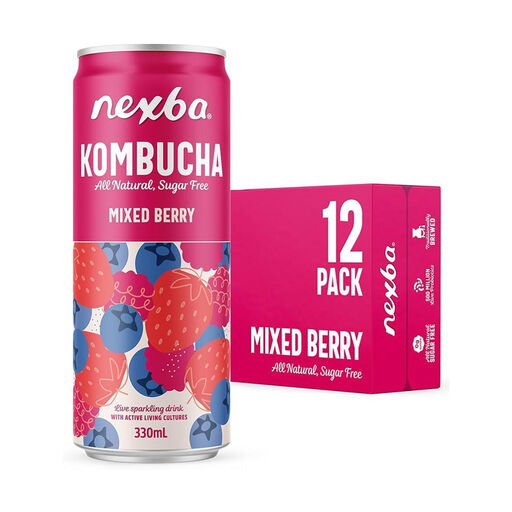
Why this fits the profile: The 12-pack is suitable for regular use and for anyone looking for a sparkling, fermented drink with a fruit flavour.
The product data mentions kombucha, sweeteners and 0 grams of sugar per 100 ml. This makes the difference from a sweetened fizzy drink clearer.
12 bottles of 330 ml; 2 kcal and 0 grams of sugar per 100 ml; none of the 14 main EU allergens listed.
For families or for stocking up for school and work, Fristi Red Fruit Low-Fat Drinking Yoghurt in 24 x 200 ml could be handy. The drink contains milk, 7.7 grams of sugar and 2 grams of protein per 100 ml. If you prefer to control the strength yourself, you could choose Raak Grenadine Lemonade or Raak Reine Claude Lemonade. Pay attention to the mixing ratio and the storage instructions after opening.
For an alcohol-free fruit drink, Nexba and g'woon Raspberry Cranberry Sparkling Fruit are options with fizz. Malta Guinness is a non-alcoholic malt drink, but has a malty profile and contains barley. So check the label if allergens or ingredients are important to you.
We've put together a full, up-to-date list of products that fully meet these strict selection criteria and comply with current European safety regulations.
Fruit juice consists mainly of juice, possibly from concentrate. A fruit drink can also contain water, sugar, sweeteners, flavourings or a smaller proportion of fruit juice. Check the percentage of juice and the ingredients list on the packaging.
That depends on the guests and the menu. A 750 ml bottle such as Gallo Spritz is designed for sharing, while Liefmans Peach comes in four 250 ml bottles. For guests who don't drink alcohol, a non-alcoholic fruit drink, kombucha or sparkling fruit drink are practical alternatives.
Always follow the label. Many opened drinks must be kept refrigerated and used within the stated time. Seal the bottle properly and check the best-before date before you order and serve.
