
Vandaag of morgen in huis

Kwaliteit gegarandeerd

Welkomstaanbiedingen ontgrendelen: GRATIS bezorging | Tot 80% korting | Gratis 30 dagen JoyPlus-proefperiode
Download de app
A fruit drink may seem simple to choose: mango, guava or lychee, serve chilled and you’re done. Yet labels can reveal major differences. One drink may contain mostly water and sweeteners, while another has a higher fruit content or added sugar. A large multipack is not automatically better value if you have not tried the flavour before.
This practical buying guide helps you compare fruit drinks using verifiable information. That way, you can avoid a disappointing purchase and find a tropical fruit drink for home, on the go, with a meal or to share.
A product labelled sugar-free fruit drink may contain sweeteners. This does not always mean that it contains no sugars. Fruit juice and fruit purée naturally contain sugars. So always check:
According to the product description, Wicky Mango Fruit Drink contains less than 0.1 grams of sugar per 100 ml and includes sweeteners. Iam Superjuice Mango states in its product information that it contains no added sugar and uses steviol glycosides. These are different product characteristics.
The name mango drink, guava drink or passion fruit drink says little about how much fruit the product contains. A product may have a distinct fruit flavour despite having a relatively low fruit content. So check the percentage of juice, purée or fruit pulp.
Examples from the range:
A higher percentage is not automatically the better choice, but it does help you compare products more fairly.
A fruit drink multipack can be convenient, but compare the price per litre. A tray of twelve 330 ml cans contains 3.96 litres. A 1.5-litre bottle has a different price structure and is particularly practical for a household or with a meal.
Also consider:
Fruit juice, fruit drink, nectar and juice from concentrate are not the same. The ingredients list shows whether juice, purée, water, sugar, milk ingredients or flavourings have been used.
If you are looking for a pronounced tropical flavour, consider mango, guava, lychee or passion fruit. For a milder combination, apple and pear or mixed fruit drinks are suitable. According to the product description, Taksi Exotic Fruit Juice combines mango, passion fruit and peach, among other ingredients, but also contains milk ingredients. This means it is not suitable for anyone following a vegan diet or avoiding milk.
Use the nutrition table per 100 ml as a consistent basis for comparison. This prevents a large can or litre carton from distorting the comparison.
Some listed values:
Pay attention to the wording fruit drink with no added sugar. Even without added sugar, a drink may contain natural sugars from fruit.
Check the allergen information on the product, particularly when choosing a drink for vegan consumption. Coconut water is often a plant-based option, but you should still check the full ingredients list.
According to the product description, Iam Superjuice Coconut Water contains 100% coconut water, 2% real coconut pieces, no added sugar and a vegan composition. Foco Roasted Coconut Juice contains 80% roasted coconut water, coconut flesh and sugar according to the product information. Both taste of coconut, but their ingredients and nutritional values differ.
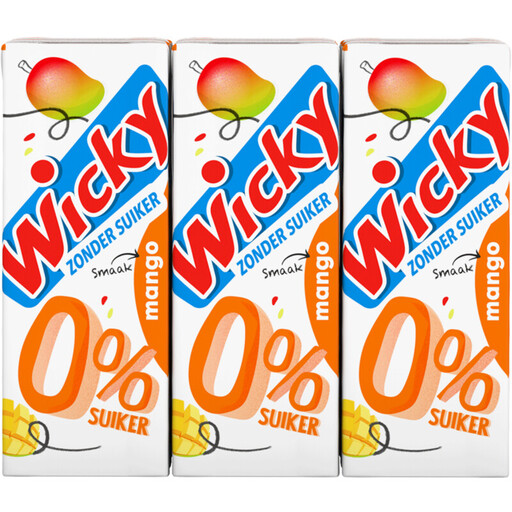
Why it suits this profile: The pack of six 200 ml portions is easy to manage for a first purchase, lunchbox or small household. The familiar mango flavour lets you try something different without buying a large multipack straight away.
The product description explicitly states that it contains less than 0.1 grams of sugar per 100 ml. It also states that sweeteners are used, allowing you to make an informed assessment of the flavour and ingredients.
6 × 200 ml; 1 kcal and less than 0.1 grams of sugar per 100 ml according to the product information; with vitamin C.

Why it suits this profile: This choice is aimed at shoppers who prefer a short ingredients list and a plant-based profile. The cans can be chilled and kept ready at home, at work or on the go.
The product information states that it contains 100% pure coconut water and 2% real coconut pieces. This makes it clear that it is coconut water with pieces, rather than a standard fruit juice with coconut flavouring.
12 × 330 ml; no added sugar according to the product description; vegan and gluten-free according to the listed product specifications.

Why it suits this profile: A tray of twelve cans is ideal for anyone who regularly serves a tropical fruit drink, for example with meals, when entertaining or in the office.
The fruit content is clearly stated: 30% natural passion fruit juice. The product also lists 17 kcal per 100 ml and no added sugar.
12 × 330 ml; pronounced sweet-and-sour passion fruit flavour according to the product description; best served chilled.
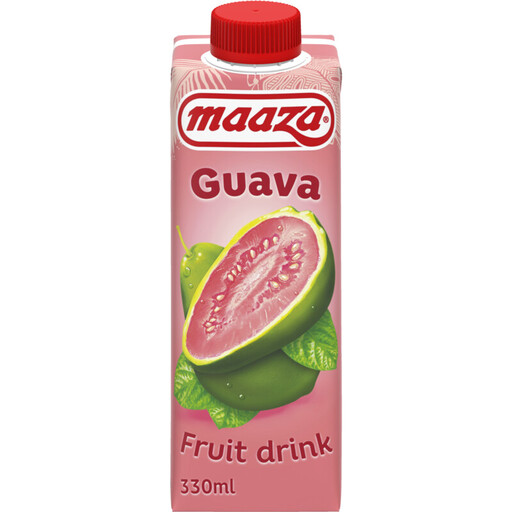
Why it suits this profile: Guava has an aromatic flavour that is different from apple or orange. The 330 ml size is suitable for trying one flavour first.
The product description states that it contains 16% guava juice from concentrate and 6.9 grams of sugars per 100 ml. This allows you to weigh up the sweet flavour against the actual nutritional information.
330 ml per pack; 16% guava juice from concentrate; according to the product information, made without artificial additives.
We have put together a complete, up-to-date list of products that fully meet these strict selection criteria and the applicable European safety regulations.
Fruit juice generally consists of juice from fruit, which may be made from concentrate. A fruit drink may also contain more water, sugar, sweeteners, flavourings or other ingredients. Always check the product name, fruit content and ingredients list on the packaging.
Start by comparing the fruit content and nutritional values. According to their product descriptions, Iam Superjuice Mango, Lychee, Pink Guava and Passionfruit contain no added sugar. Wicky Mango contains less than 0.1 grams of sugar per 100 ml, but includes sweeteners. The flavour and ingredients therefore vary from one product to another.
Follow the instructions on the packaging. For the products mentioned, the general guidance is to store them unopened in a cool, dry place, away from direct sunlight, and to refrigerate them after opening. Consume the drink within the period stated on the label. 330 ml cans are convenient when you do not want to store an opened bottle.
