
Vandaag of morgen in huis

Kwaliteit gegarandeerd

Welkomstaanbiedingen ontgrendelen: GRATIS bezorging | Tot 80% korting | Gratis 30 dagen JoyPlus-proefperiode
Download de app
Looking for a refreshing beverage with a little more flavour than water? The shelves are filled with cartons of juice, bottles of soft drinks, and all sorts of fruit beverages. But which one is truly right for you and your family? The choice can be overwhelming, especially when you're considering ingredients, sugar content, and vitamins.
As a Joybuy Product Recommendation Officer, I'm here to help guide you. In this article, I'll provide practical tips for choosing a fruit drink and share some popular choices based on their specifications. This way, you can make an informed decision, free from marketing jargon.
Before we dive into the products, here are a few key points to help you compare options at the supermarket.
These terms are often used interchangeably, but there are clear distinctions.
Knowing what you're buying helps you better assess the nutritional value.
Many people are looking for a sugar-free fruit drink or one with lower sugar content. Always check the nutrition label under "Carbohydrates, of which sugars." Some drinks use sweeteners like sucralose or stevia to maintain a sweet taste without the calories from sugar. This can be a great option if you want to limit your sugar intake.
A multivitamin drink can be a convenient supplement to your daily diet. Brands often add vitamins such as vitamin C, B vitamins, and vitamin E. According to manufacturers, vitamin C, for example, supports the immune system. For many, a healthy fruit drink is one with added nutrients and natural ingredients. Also, pay attention to the presence of pulp, as in an aloe vera drink, which provides a different texture and mouthfeel.
Below is a selection of popular fruit drinks, each with its own unique characteristics.
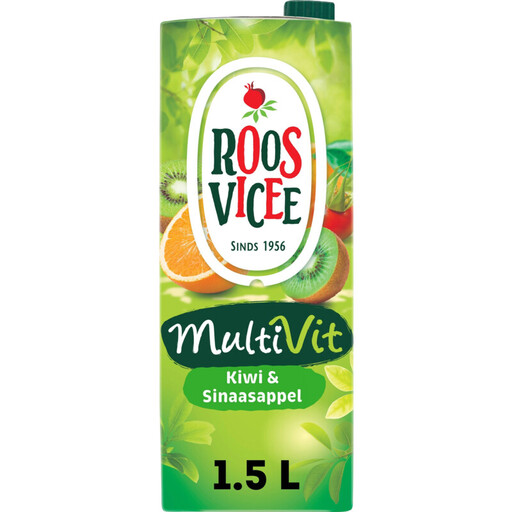
Why it stands out Roosvicee is a household name in the Netherlands. This multivitamin drink combines the flavours of kiwi and orange and is fortified with a range of vitamins. According to Roosvicee, one glass (200 ml) provides 30% of the recommended daily allowance for 10 different vitamins.
Pros
Who is it for? This is a suitable choice for families looking for a flavourful multivitamin drink to supplement their daily nutrition. Its sweet, fruity taste makes it popular with both children and adults.
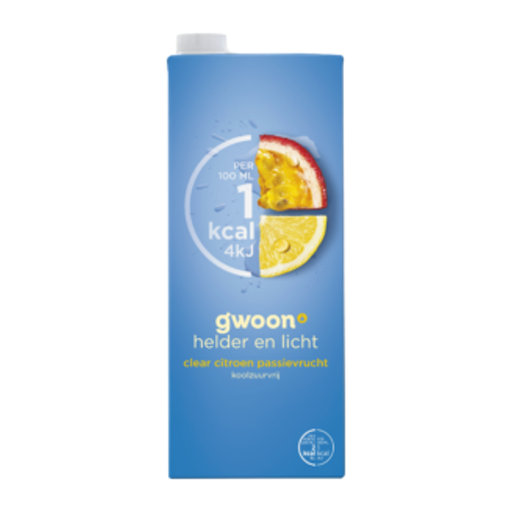
Why it stands out This drink from G'woon is an interesting option for those who are conscious of their calorie and sugar intake. It's a non-carbonated beverage based on mineral water, sweetened with sweeteners instead of sugar. The flavour is a combination of tart and tropical.
Pros
Who is it for? Ideal for health-conscious consumers looking for a flavourful alternative to water without the extra sugars and calories. It also serves as a great base for making mocktails.
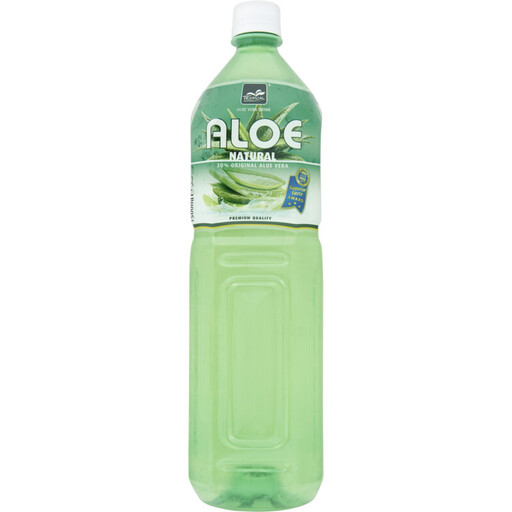
Why it stands out This aloe vera drink from Tropical offers a different drinking experience due to the addition of aloe vera pulp. According to the manufacturer, the drink contains 30% aloe vera (juice and pulp) and is fortified with vitamin C. It's a beverage that is both refreshing and has an interesting texture.
Pros
Who is it for? For the adventurous drinker who wants to try something different from standard cartons of juice. If you enjoy beverages with texture, like smoothies or drinks with pulp, this is an interesting choice.
The world of fruit drinks is vast and diverse. Are you specifically looking for exotic flavours like mango, lychee, or guava? There are many more options to discover.
Explore our wider selection and find the perfect match for your taste.
? Discover more in our Exotic Juice Drink category
What is the difference between fruit juice and a fruit drink? In short, fruit juice is 100% juice from fruit. A fruit drink is a water-based beverage to which a percentage of fruit juice, sugar or sweeteners, and sometimes vitamins have been added. The amount of juice in a fruit drink can vary significantly.
Are fruit drinks a healthy choice? Whether a fruit drink fits into a healthy diet depends on the specific product and your overall diet. A healthy fruit drink could be described as a beverage with low added sugar, a reasonable percentage of real fruit, and possibly added vitamins. However, it remains a processed product and is not a substitute for eating whole fruit, which also contains fibre.
How long can you store opened cartons of juice? Most manufacturers recommend storing opened cartons of juice and fruit drinks in the refrigerator and consuming them within a few days (usually 3 to 5). Always check the label on the packaging for the manufacturer's specific storage instructions.
