
Vandaag of morgen in huis

Kwaliteit gegarandeerd

Welkomstaanbiedingen ontgrendelen: GRATIS bezorging | Tot 80% korting | Gratis 30 dagen JoyPlus-proefperiode
Download de app
Choosing a fruit drink might seem straightforward: pick a fruit flavour, look at the packaging and add it to your basket. Yet differences in fruit content, sugar, sweeteners and size can make your purchase less suitable than you expected. Families in particular sometimes buy a large bottle for on the go, when small portion packs would be more practical. Also, a product labelled “tropical flavour” may contain relatively little tropical fruit.
With these practical selection points, you can compare a fruit drink, fruit juice or dairy drink with fruit based on verifiable information on the label.
The name or picture of mango, pineapple or passion fruit doesn’t automatically tell you how much of those fruits are actually in the drink. So always check the ingredients list and the fruit content.
Examples from the range:
A tropical fruit drink can therefore vary significantly in composition, even when the flavour name is similar.
With fruit drink with no added sugar, naturally occurring sugars from fruit or milk can still be present. Always check the nutritional values per 100 ml.
Wicky Mango Fruit Drink states less than 0.1 grams of sugar per 100 ml and uses sweeteners. Taksi Tropical Fruit with no added sugar contains 2.4 grams of sugars per 100 ml according to the product information. That product also contains milk ingredients. “No added sugar” and “lower sugar” are therefore different claims.
A 1 or 1.5 litre bottle works well for breakfast, lunch or a family, but is less convenient for school, work or a day out. Small packs are easier to take with you, but the price per litre can work out differently.
When looking at a multipack of fruit drinks, check:
First, read exactly what you’re buying:
Ingredients are listed in descending order. If water comes first, water is the main ingredient. Then look at the percentages of juice, purée or concentrate.
Compare the nutritional values per 100 ml, not just per pack. A 1.5 litre bottle contains several portions. Pay attention to the figures for:
Wicky Apple Juice contains 24 kcal and 5.7 grams of sugars per 100 ml according to the product information provided. Wicky Mango Fruit Drink contains 1 kcal and less than 0.1 grams of sugars per 100 ml, but does contain sweeteners. Both products therefore suit different buying criteria.
A product with milk ingredients, such as Taksi or g’woon Zappie, contains milk as an allergen. Check the label if you have a milk allergy or if you’re deliberately looking for a dairy-free drink.
Once opened, fruit drinks usually need to be stored in the fridge and used within the period stated on the pack. Also check that the cap or seal is intact when you receive it. The packaging remains the definitive source for the current best-before date and usage instructions.
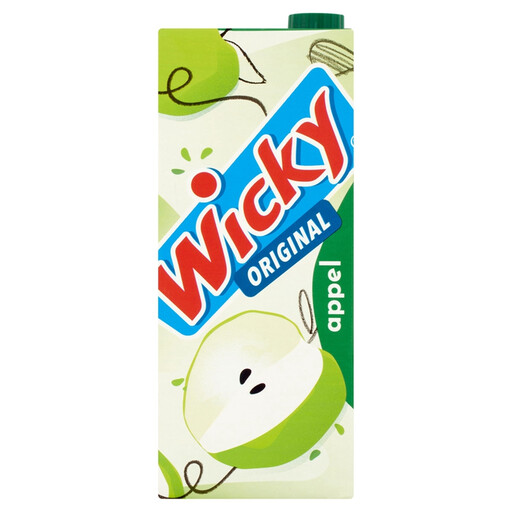
Why this fits the profile: The 1.5 litre bottle is practical for home and for meals with several family members.
The label states 10% apple concentrate and 5.7 grams of sugar per 100 ml, so you can weigh up the composition rather than just relying on the fruit flavour.
1.5 litre content; 24 kcal per 100 ml; fortified with vitamin C according to the product information.

Why this fits the profile: Ideal for anyone wanting a clear mango focus and fixed portions for home, meals or sharing.
The product description states 30% mango juice and no added sugar. Do check the current packaging and nutritional values before purchase.
12 cans of 330 ml; 17 kcal per 100 ml according to the product information; 3.96 litres total.
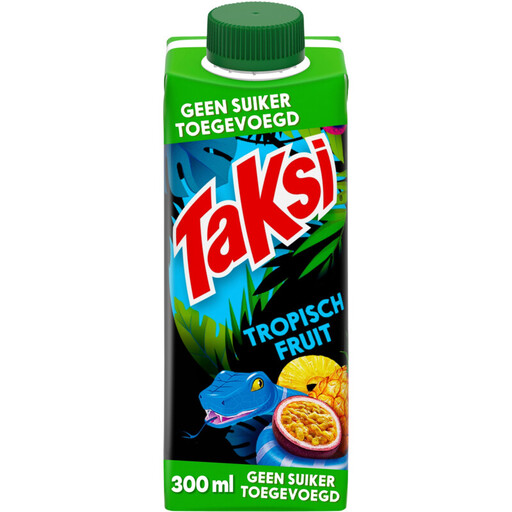
Why this fits the profile: The 300 ml bottle is designed for on the go, school or an individual portion with lunch.
The small size prevents a large opened bottle from sitting around unnecessarily. The drink contains milk ingredients; check this if you have allergies.
300 ml per bottle; 40% milk ingredients according to the product information; 2.4 grams of sugars per 100 ml.
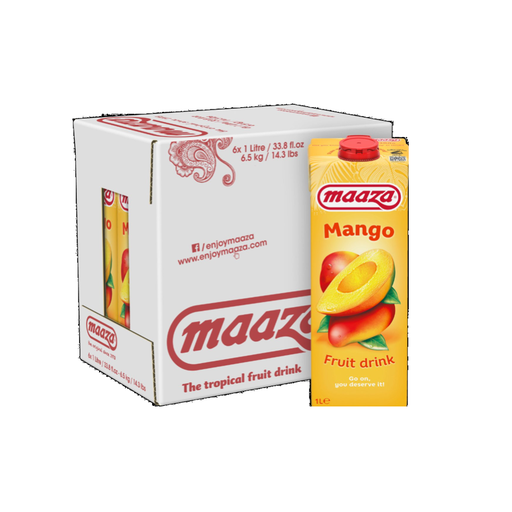
Why this fits the profile: Six 1 litre bottles are handy when you regularly serve a mango drink at breakfast, with guests or with meals.
The fruit content is stated: 17% mango purée. The nutritional information also states 10.8 grams of sugars per 100 ml, which helps with an informed comparison.
6 litres total; 17% mango purée; none of the 14 main EU allergens listed in the product information.
We’ve put together a full, up-to-date list of products that fully meet these strict selection criteria and current European safety regulations.
Fruit juice refers to a more specific juice category. Fruit drink can contain extra water, sugar, sweeteners, flavourings or milk ingredients. So always check the product name, ingredients list and the juice or fruit content.
Small packs of around 200 to 330 ml are practical for a school bag, work day or day out. A multipack, such as Wicky 6 x 200 ml, Capri-Sun 10 x 200 ml or Iam Superjuice 12 x 330 ml, makes it easier to keep several portions in stock.
Store opened fruit drink according to the instructions on the pack, usually chilled and well sealed. The exact period varies by product. Always check the best-before date, storage temperature and information about use after opening on the label.
