
Vandaag of morgen in huis

Kwaliteit gegarandeerd

Welkomstaanbiedingen ontgrendelen: GRATIS bezorging | Tot 80% korting | Gratis 30 dagen JoyPlus-proefperiode
Download de app
A fruit drink might seem simple to choose. Yet fruit juice, nectar and fizzy drinks with fruit flavour differ greatly in fruit content, sugar levels and ingredients. A flashy pack or tropical name doesn't automatically tell you how much fruit is inside.
For British households, these three pitfalls are particularly relevant:
First, see whether you're buying a fruit juice, nectar or fruit drink. According to the label, fruit juice consists of juice, whereas a nectar often contains water and purée. With a fruit drink, the fruit percentage can be lower, and sweeteners, sugar, milk ingredients or carbonation may have been added.
The fruit percentage is usually listed in the ingredients or product description. Here are a few clear examples:
A higher fruit percentage can give a more pronounced fruit flavour, but it doesn't alone determine whether the drink is right for you. Sugar, sweeteners, acidity and any milk ingredients also play a part.
Use the table per 100 ml to compare different packs fairly. Don't just rely on words like “light”, “zero” or “no added sugar”.
For example:
“No added sugar” therefore doesn't mean there are no sugars present at all. Also check the ingredients list if you want to avoid certain sweeteners. For Oasis Apple Berry Raspberry, for example, it states that the product contains a source of phenylalanine. That's relevant information for people who need to be aware of this.
A drink multipack is handy when you want to take portions with you or stock up for several people. Small packs of 190, 200, 300 or 330 ml are practical for on the go, work and school. With children, do pay attention to the total volume and the storage advice after opening.
Large bottles of 1, 1.2 or 1.5 litres are better suited to breakfast, family time or a party. After opening, many fruit drinks need to be kept refrigerated. So check the seal, best-before date and instructions on the label. For products with milk ingredients, such as Taksi and DubbelFrisss Boost, refrigeration after opening is especially important.
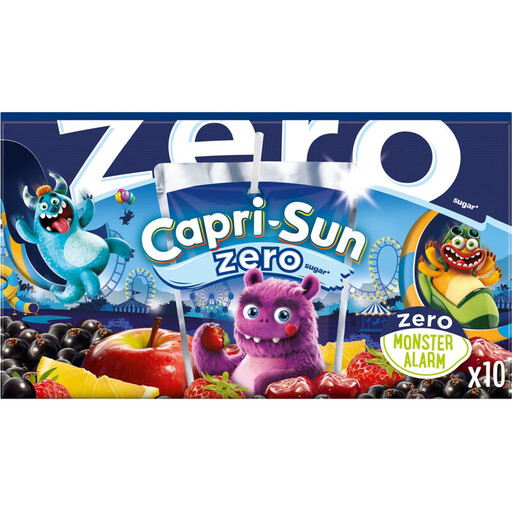
Why this suits the profile: The pack contains 10 portions of 200 ml. That's easy to manage for families, school bags and times when you don't want to open a large bottle.
The label states 7% fruit juice, less than 0.5 grams of sugar and 3 kcal per 100 ml. This shows you exactly what “zero sugar” means in this drink.
10 x 200 ml, portable packaging and sweeteners instead of added sugar.
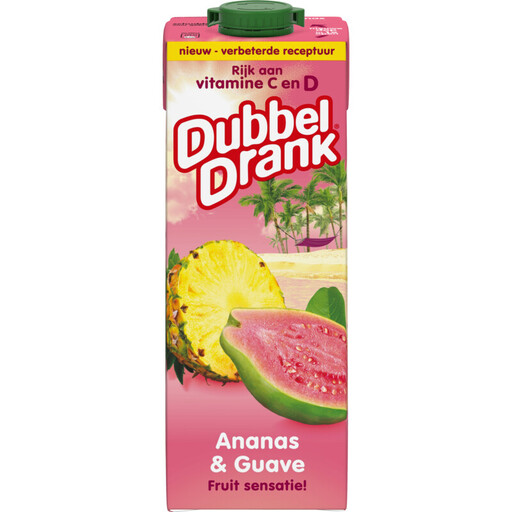
Why this suits the profile: This 1-litre fruit drink combines pineapple and guava with apple and is ideal for home use at breakfast, lunch or a drinks occasion.
The product states a minimum of 40% fruit content. This means you don't have to rely solely on the tropical name or packaging.
1 litre, minimum 40% fruit content and, according to the product information, added vitamins C and D.

Why this suits the profile: The tray of 12 cans at 330 ml each is ideal for parties, shared supplies and fans of a distinctive passion fruit drink.
The product information states 30% passion fruit juice, no added sugar and 17 kcal per 100 ml. Check the actual packaging for the full ingredients list.
12 cans of 330 ml, 30% passion fruit juice according to the product description and suitable for serving chilled.
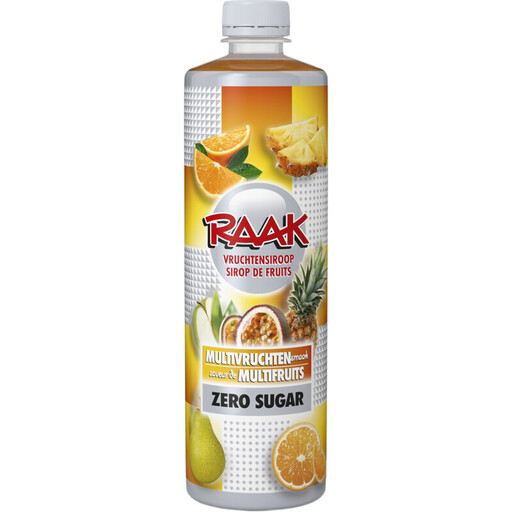
Why this suits the profile: With one bottle of multi-fruit cordial, you can make around 30 glasses according to the product information. That's handy when family members want different amounts or strengths.
The product information states 0 grams of sugar and 1 kcal per 100 ml. Just make sure you mix the cordial with water according to the recommended ratio.
Around 30 glasses per bottle, fruit juice from concentrate and a sugar-free composition according to the product description.
We've put together a full, up-to-date list of products that fully meet these strict selection criteria and comply with current European safety regulations.
Fruit juice consists of juice, possibly from concentrate. A fruit drink can also contain more water, sugar, sweeteners, milk ingredients, flavourings or carbonation. So look at the product name, ingredients list and fruit percentage.
No. Fruit naturally contains sugar. A product with no added sugar can therefore still contain sugars. Check the nutritional information per 100 ml. Some sugar-free fruit drinks also use sweeteners.
Always follow the label. Many opened fruit drinks need to be kept refrigerated and consumed within a few days. Seal the bottle or pack properly and check before use that the packaging is undamaged. For drinks with milk ingredients, pay extra attention to the stated refrigeration instructions.
