
Vandaag of morgen in huis

Kwaliteit gegarandeerd

Welkomstaanbiedingen ontgrendelen: GRATIS bezorging | Tot 80% korting | Gratis 30 dagen JoyPlus-proefperiode
Download de app
Buying a fruit drink seems simple, until you have to choose between fruit drink, fruit juice, a tropical fruit drink or a multipack. Brand names and images quickly attract attention, but they do not always tell you how much fruit, sugar or sweetener is actually in the bottle or can.
Pay particular attention to these common pitfalls:
Look at the nutritional table for the values per 100 ml. This allows you to compare Wicky fruit drink, Taksi fruit drink and Maaza fruit drink fairly, even when the packs are different sizes.
For example:
The term fruit drink with no added sugar therefore mainly tells you that no sugar was added during production. Always check the nutritional values and ingredients.
A mango drink, guava drink or passion fruit drink can vary considerably in fruit content. The flavour name does not indicate how much mango, guava or passion fruit it contains.
The range includes, among others:
For a tropical fruit drink, it is also useful to check whether milk constituents are present. This affects the flavour, texture and allergen information. Taksi contains milk according to the ingredients list.
For use at home, a 1 to 1.5-litre bottle or carton is practical. A 1.5-litre pack is suitable for breakfast, a family meal or entertaining guests. For school, work, a picnic or a bag for travelling, 330 ml cans or 200 to 300 ml bottles are more convenient.
Pay attention to the storage instructions after opening. For several chilled drinks, the product information states that the pack should be stored in the fridge after opening and used within the specified period. Always check the best-before date and the label on the packaging.
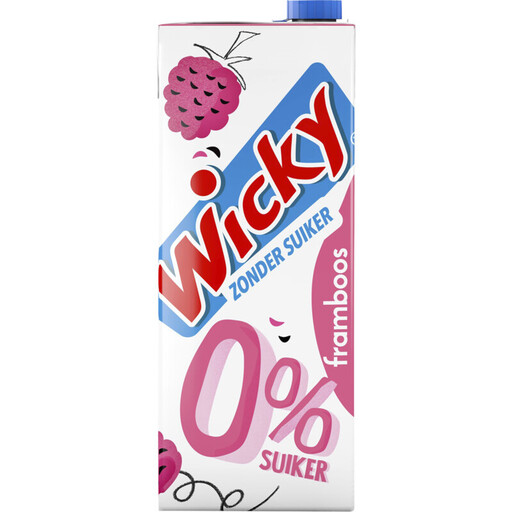
Why it suits this profile: A large pack for use at home, with 1 kcal and less than 0.1 grams of sugar per 100 ml according to the product information.
The nutritional values make the choice easy to verify. Bear in mind that the drink does contain sweeteners.
1.5-litre capacity, raspberry flavour, added vitamin E and no listed allergens.
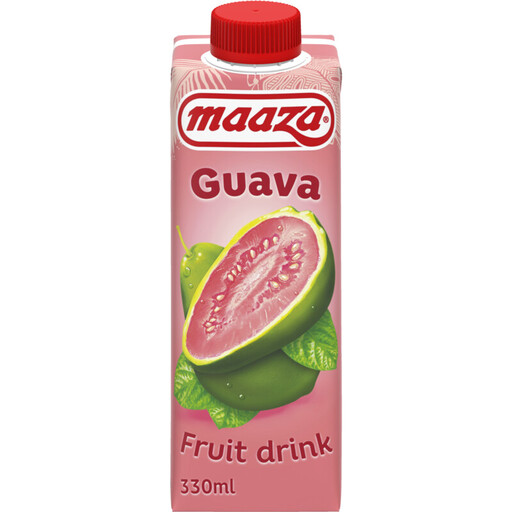
Why it suits this profile: For lovers of a distinctive guava drink with a smooth, sweet fruit flavour and a single-serve pack.
The label states 16% guava juice from concentrate and 6.9 grams of sugar per 100 ml, allowing you to weigh up the flavour and composition.
330 ml per bottle, guava flavour and, according to the product information, none of the 14 major EU allergens.

Why it suits this profile: A fruit drink multipack for stocking up, entertaining, taking to work or serving chilled with meals.
The pack contains 12 330 ml cans. According to the product information, the drink contains 30% passion fruit juice, no added sugar and 17 kcal per 100 ml.
330 ml portions, 12 cans per tray and a clear passion fruit flavour.
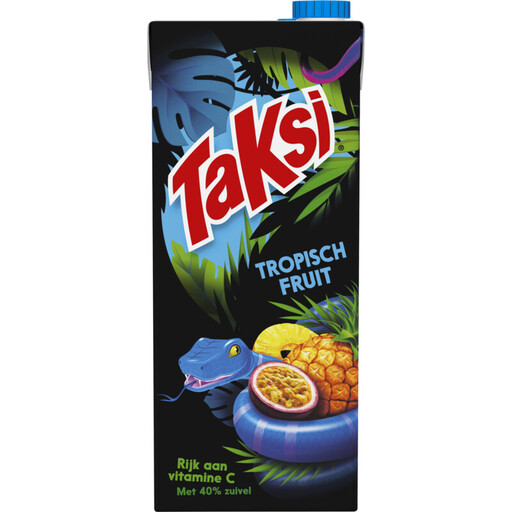
Why it suits this profile: The 1.5-litre pack is practical for a household serving a tropical fruit drink with several meals.
The product information clearly states that this product contains sugar and no sweeteners. This helps avoid confusion about its composition.
1.5-litre capacity, a combination of fruit and milk constituents, plus vitamins C and D according to the product information.
We have put together a complete, up-to-date list of products that fully meet these strict selection criteria and the applicable European safety regulations.
Fruit juice generally consists of juice or concentrate from fruit, while a fruit drink may contain additional water, sugar, sweeteners, milk constituents or other ingredients. The exact difference depends on the product. So check the fruit percentage and the ingredients list.
No, not necessarily. A product with no added sugar may contain natural sugars from fruit. Some varieties also use sweeteners. Check both “of which sugars” in the nutritional table and the ingredients.
Follow the instructions on the label. For the products mentioned, this usually means storing the drink chilled after opening, closing the cap securely and using the drink within the specified period. Only shake it if the packaging indicates that you should, and check the best-before date before drinking.
