
Vandaag of morgen in huis

Kwaliteit gegarandeerd

Welkomstaanbiedingen ontgrendelen: GRATIS bezorging | Tot 80% korting | Gratis 30 dagen JoyPlus-proefperiode
Download de app
Buying a fruit drink seems simple, until you realise that colourful packaging does not always tell you how much fruit it contains. Terms such as “tropical”, “light” or “no added sugar” can also create different expectations. So if you are looking for fruit juice or fruit drinks online, it is worth checking the label and nutritional information first.
Three common pitfalls are:
Not every fruit drink is the same. Juice, nectar, fruit drinks and water-based drinks may contain different percentages of fruit. For example, Maaza Guava Fruit Drink lists 16% guava juice from concentrate. According to the product information, the ingredients are water, guava juice from concentrate and sugar.
The product information for DubbelDrank Pineapple Guava Apple Juice states at least 40% fruit. The blend includes pineapple, orange, apple and guava, among other fruits. This creates different flavour expectations from a light thirst-quencher with a smaller proportion of fruit.
Also pay attention to the order of the ingredients. The ingredient listed first is generally present in the greatest quantity. A mango drink featuring mango prominently may also contain apple, pineapple or other fruit flavours.
Always compare the nutritional value per 100 ml. This prevents a large pack from appearing better value than a smaller serving.
“No added sugar” therefore does not automatically mean that a drink contains no sugar. Fruit concentrate naturally contains sugars. If you prefer a less sweet drink, compare both the total sugar content and the serving size.
For breakfast or a family, 1 litre of fruit drink or 1.5 litres can be practical. A carton with a pouring spout is convenient for meals, at the office or on a picnic. Once opened, the packaging should be stored in the fridge and used within the stated period, according to the product information.
For travelling or parties, individual cans are often more convenient. For example, a tray with 12 cans of 330 ml contains 3.96 litres in total. Divide the price by the total number of litres to compare this pack fairly with a bottle.
When checking multipacks, also look at:
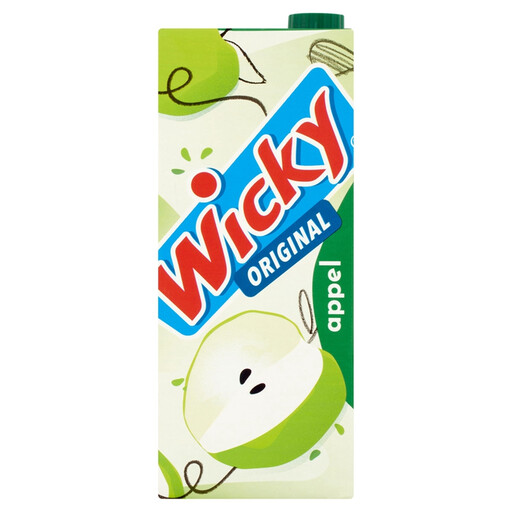
Why it suits this profile: A generous pack for breakfast, meals or everyday use. According to the product information, this apple juice drink contains 10% apple concentrate and 24 kcal per 100 ml.
The label makes the proportion of apple concentrate and the nutritional value easy to check, so the fruit image is not the only basis for your choice.
1.5-litre capacity; 10% apple concentrate; 24 kcal per 100 ml; none of the 14 main EU allergens listed.
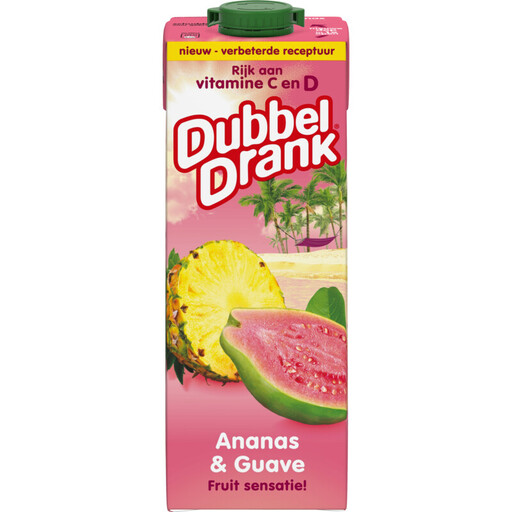
Why it suits this profile: For anyone who wants several fruit flavours in one pack. The product information states at least 40% fruit and a blend of pineapple, guava, apple and other fruits.
The fruit percentage and ingredients are clearly stated. This means you can assess a tropical fruit drink by its composition rather than its name alone.
1-litre pack; at least 40% fruit according to the product information; the label states that it contains vitamins C and D.

Why it suits this profile: A multipack for families, workplaces and parties, or for anyone who likes to keep a supply of mango drink at home. Each pack contains 330 ml.
The total volume and number of cans are stated clearly. “No added sugar” is also linked to a specific nutritional value of 17 kcal per 100 ml.
12 cans; 3.96 litres in total; 30% mango juice according to the product description; suitable for serving chilled.
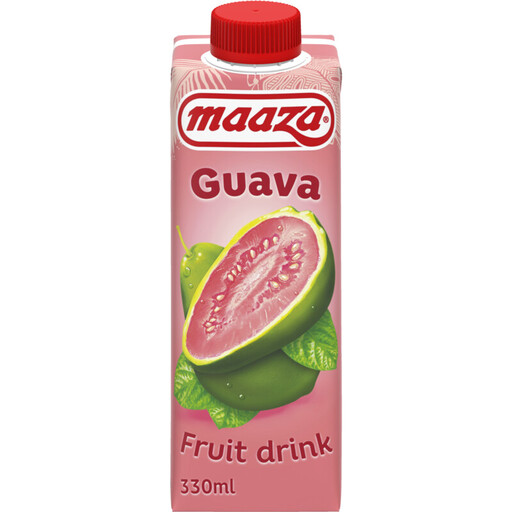
Why it suits this profile: A single-serving pack for anyone who wants to try a guava drink with a distinctive tropical character without buying a large bottle straight away.
The product information states 16% guava juice from concentrate, 29 kcal and 6.9 grams of sugar per 100 ml. This makes it easier to gauge the sweetness in advance.
330 ml serving; guava flavour; none of the 14 main EU allergens listed; suitable for serving chilled.
We have put together a complete, up-to-date list of products that fully meet these strict selection criteria and the applicable European safety regulations.
The name does not tell you everything about the composition. Check the fruit percentage, the form used, such as juice from concentrate or purée, and the amount of sugar. A fruit drink may also contain water, sweeteners, milk ingredients or flavourings.
Compare the value per 100 ml. Wicky Raspberry Fruit Drink lists 1 kcal per 100 ml. Iam Superjuice Pink Guava lists 16 kcal per 100 ml, while Iam Superjuice Mango lists 17 kcal per 100 ml. “No added sugar” does mean that you still need to check the full ingredients list and nutritional table.
Store opened fruit drinks according to the label, usually chilled and tightly sealed. The exact period varies from one product to another. Also check the best-before information on the packaging, as details may change from one delivery to the next.
For everyday use, it is generally best to choose a pack that matches your consumption. A 1.5-litre bottle can be practical for a family, while a 330 ml can is more convenient when you are out and about. By comparing fruit percentage, sugar content, volume and price per litre side by side, buying fruit drinks online becomes much more straightforward.
