
Vandaag of morgen in huis

Kwaliteit gegarandeerd

Welkomstaanbiedingen ontgrendelen: GRATIS bezorging | Tot 80% korting | Gratis 30 dagen JoyPlus-proefperiode
Download de app
The fruit cordial aisle can be overwhelming. Dozens of bottles, flavours and brands promise the perfect thirst-quencher. Yet, a quick choice often leads to disappointment: a syrup that tastes artificial, a 'sugar-free' version with an unpleasant aftertaste, or a bottle that's empty surprisingly fast.
Before you put a bottle in your basket, it's wise to consider a few common pitfalls. Many buyers fall for them, leading to wasted money and a half-full bottle that gets lost in the back of the cupboard.
To find a syrup that truly suits your taste, it's helpful to pay attention to a few specific details, which are usually right on the label.
The choice between syrup with or without sugar is a personal one. However, it's important to know exactly what you're getting.
A look at the ingredients list will clarify which sweeteners are used in a sugar-free syrup.
The amount of real fruit in a fruit syrup has a major impact on the taste. This is indicated on the label as "fruit juice from concentrate". A higher percentage (e.g., 75%) often points to a richer and deeper flavour than a syrup with only 10% fruit juice. Brands like Karvan Cévitam and Teisseire syrup often specify this clearly. A higher fruit content can also make a syrup more suitable as a base for other drinks.
The recommended mixing ratio (e.g., 1:9) tells you how many glasses you can get from one bottle. A concentrated syrup is more economical to use. Also, consider its purpose:
To help you get started, we've highlighted a few options that suit different needs and preferences.
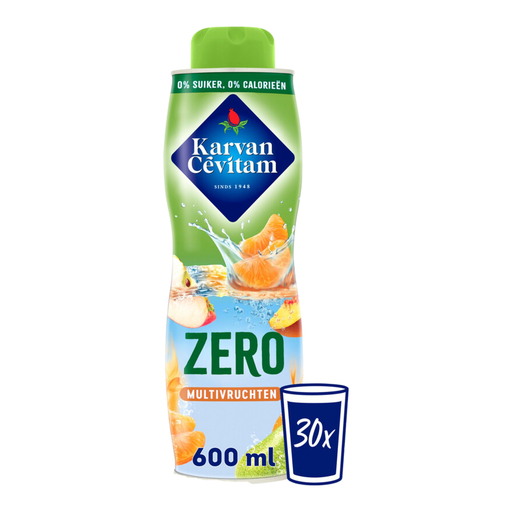
Why This Fits Their Persona: A trusted choice for families looking for a sugar-free option that's a hit with everyone. Ideal for the daily pitcher of cordial on the table, without any arguments about sugar.
This syrup directly tackles the 'sugar-free' pitfall. According to Karvan Cévitam, it contains 0% sugar and 0 calories, with a flavour profile tailored to a broad audience to prevent an unpleasant aftertaste.
Contains 0% sugar and is a source of vitamin C, according to the brand. The bottle is made from 100% recyclable steel.
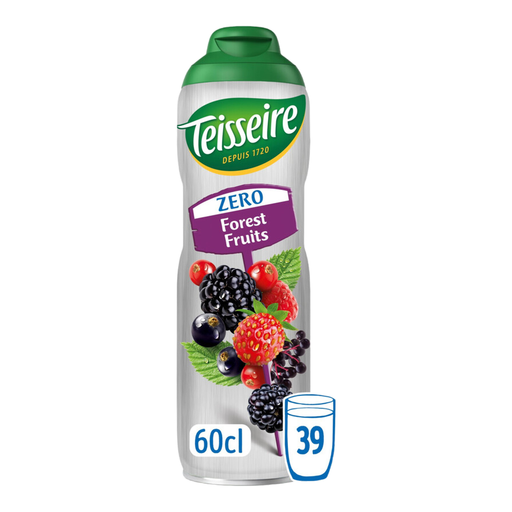
Why This Fits Their Persona: For those seeking a sugar-free syrup with a more refined taste. The focus on 'real fruit' and its versatility for water, cocktails, and desserts appeals to the conscious consumer.
This syrup bypasses the 'vague flavours' pitfall by specifying that it contains 10% fruit juice from concentrate. The combination of sweeteners (sucralose and stevia) is a popular choice on the market.
Sugar-free and versatile. The metal bottle is infinitely recyclable and provides a premium look and feel.
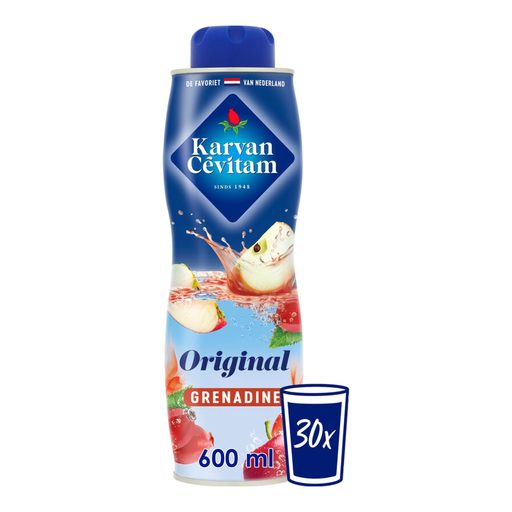
Why This Fits Their Persona: Grenadine is an indispensable classic in many cocktails and mocktails. This high-fruit-content version provides a rich base for creating layered drinks, from a Tequila Sunrise to a kid-friendly Shirley Temple.
Instead of a vague fruit flavour, this syrup offers a base of 75% fruit juice (apple, elderberry, rosehip), according to the brand. This ensures a deep, authentic taste that is essential for a good mix.
The high fruit content of 75% provides a full-bodied flavour. According to Karvan Cévitam, it contains 100% natural flavours and is a source of vitamin C.
Most syrups have a limited shelf life after opening. The general advice is to store the bottle in the refrigerator and consume it within a few weeks to a month. The exact shelf life is always stated on the packaging. Closing the bottle tightly after use helps maintain its quality.
Syrup with sugar often has a rounder, fuller sweetness. Sugar-free syrups use alternative sweeteners that can sometimes provide a slightly different taste experience. Modern versions with stevia or sucralose, for example, come very close to the sugar version, but the final preference is highly personal.
In principle, you can experiment with many syrups, but not every syrup is equally suitable. For cocktails and mocktails, it's best to use a cocktail syrup or a fruit syrup with a high fruit percentage and an intense flavour. A simple cordial is often too watery and lacks the complexity needed for a well-mixed drink.
