
Vandaag of morgen in huis

Kwaliteit gegarandeerd

Welkomstaanbiedingen ontgrendelen: GRATIS bezorging | Tot 80% korting | Gratis 30 dagen JoyPlus-proefperiode
Download de app
Fruit candy comes in many forms: from soft gummies and chewy sweets to sour fruit candy, dried plums and traditional hawthorn strips. The packaging often features colourful fruit, playful shapes and terms such as “natural” or “fruity”. On their own, these claims reveal little about the ingredients, serving size or suitability for children.
When buying fruit candy online, it is wise to avoid three common pitfalls:
Ingredients are listed in descending order by weight. If sugar, glucose syrup or glucose-fructose syrup appears near the top, it makes up a significant part of the product. Fruit concentrate may be present without the candy having a high fruit content.
Also check for:
A brand claim about “natural ingredients”, “high in fibre” or “healthy” should not automatically be treated as a guaranteed result. According to the manufacturer’s own product description, for example, a product may contain natural colourings or fruit fibre; check the complete packaging before buying.
Fruit sweets are not all the same. Fruit gummies are generally soft and springy, while chewy sweets stay in the mouth for longer. Sour fruit candy often contains citric acid or malic acid. Hawthorn strips and fruit leathers are denser, softer and sweet-and-sour in flavour.
The packaging determines how practical the product is for different occasions:
For children’s candy, small, clearly defined portions are often easier to manage than one large bag. Also check the age warning and texture before giving the product to a child.
A small bag may not seem like much, but nutritional values per 100 grams make products easier to compare. Pay particular attention to:
A sweet-and-sour fruit snack does not automatically contain less sugar than a gummy. Be&Cheery King Plum, for example, lists 3.1 grams of salt per 100 grams, while Amos fruit sweets contain approximately 52 grams of sugar per 100 grams according to the product information. Use these figures as a point of comparison and always follow the current label.
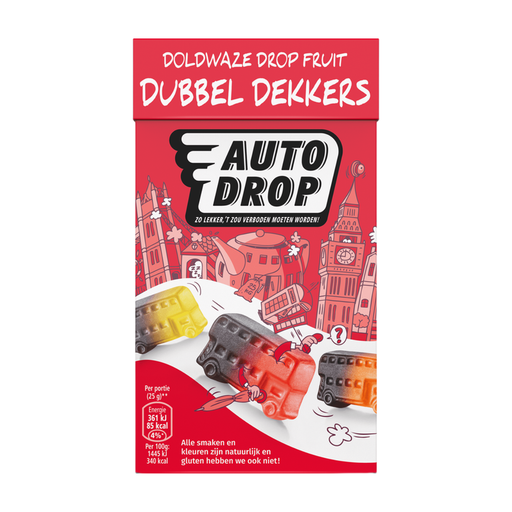
Why it fits: A larger bag featuring three listed varieties: raspberry, lemon and orange. The tub format makes it suitable for sharing and festive occasions.
The product description mentions natural colourings and flavourings as well as resealable storage. However, check the current packaging and note that it contains pork gelatine.
280 grams, three fruit flavours, listed as gluten-free according to the product information, and presented in a playful shape.
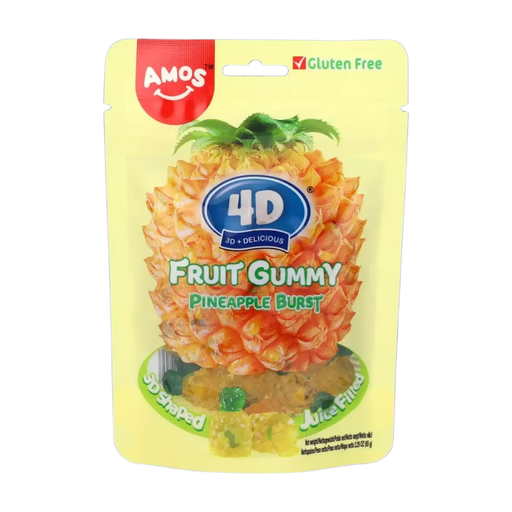
Why it fits: For anyone looking for a compact bag with strawberry flavour and a distinctive gummy shape. Easy to slip into a bag or treat pack.
The 65-gram bag helps prevent you from immediately buying a large stock. The product information lists beef gelatine; check this if you have specific dietary requirements.
65 grams, a soft chewy texture and 3.6% concentrated strawberry juice according to the product description.
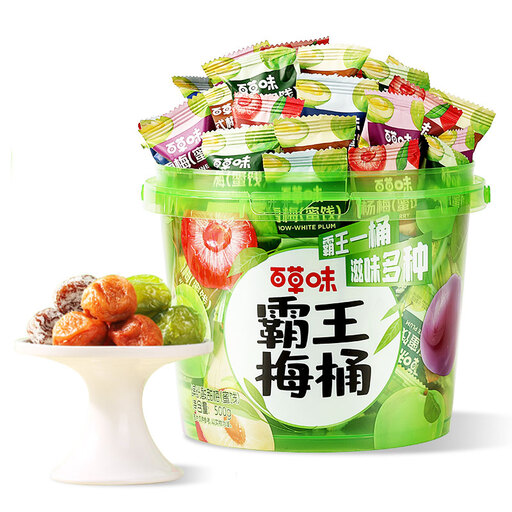
Why it fits: A generous tub containing five varieties of plum snacks, designed for sharing or serving on several occasions.
The variety is clearly described, but the ingredients list includes sweeteners, preservatives and sulphites. Avoid this product if you want to exclude these ingredients.
500 grams, five listed plum varieties and ready to eat straight from the packaging.
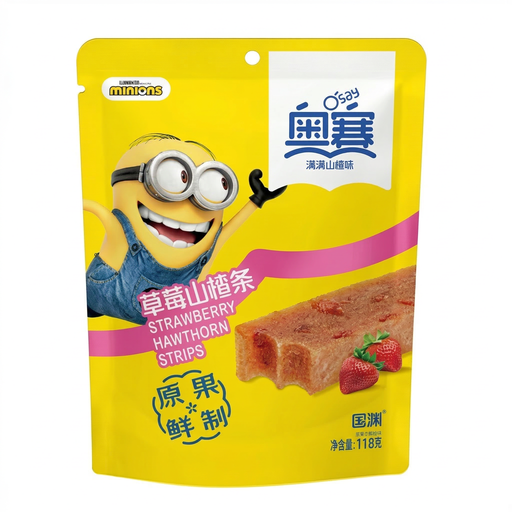
Why it fits: A soft, sweet-and-sour fruit strip with strawberry and hawthorn. Individual wrappers are convenient for travelling or serving on a snack platter.
The description does not mention artificial colourings or preservatives, but always check the Dutch label. Expect a fruit strip rather than a classic gummy.
118 grams, strawberry-hawthorn flavour and a soft, chewy texture according to the product description.
Browse our current selection of fruit-flavoured sweets and compare flavours, pack sizes, ingredients and packaging formats for your needs.
Fruit gummies are generally soft and elastic, and are made with gelatine, pectin or another gelling agent. Fruit sweets is a broader term covering gummies, hard sweets, chewy candy and fruit strips. So do not look only at the product name; consider the texture and ingredients as well.
That depends on the child’s age, as well as the product’s shape, texture and ingredients. Check the warnings on the packaging. Some products contain gelatine, colourings or sweeteners. Be&Cheery King Plum, for example, carries a warning about Allura Red and possible effects on children’s activity and attention. Treat this information as a reason to read the label carefully, not as a general medical conclusion.
Store the packaging according to the instructions, usually in a cool, dry place away from direct sunlight. Seal bags and tubs properly to limit moisture and loss of quality. Individually wrapped fruit sweets are convenient when you want to divide them into portions for taking with you. Always check the best-before date on the packaging, especially for Asian snacks and dried plums.
